
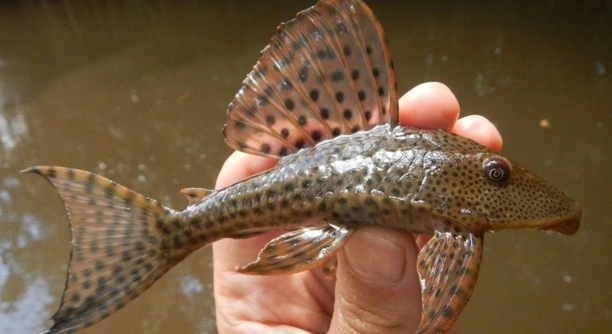
Plecos are popular aquarium fish, often chosen for their algae-eating abilities. Planted tanks provide an ideal environment for them to thrive. The combination of natural plant life and clean water benefits both the fish and the plants.
Keeping plecos in planted tanks provides numerous advantages. These fish contribute to tank cleanliness by grazing on algae, while the plants offer hiding spots and enhance water quality. The symbiotic relationship between plecos and plants fosters a healthy, balanced aquarium environment.
Maintaining a healthy ecosystem for plecos will help you enjoy a thriving planted tank.
Ideal Environment for Plecos in Planted Tanks
Plecos naturally prefer areas with lots of hiding spots and stable water conditions. In planted tanks, they can find both. The plants provide a safe refuge for plecos, which are shy and tend to hide during the day. These environments also help maintain water stability, keeping the plecos comfortable. Algae growth, which is common in tanks with live plants, serves as a steady food source for these fish. This creates a balance where both the plecos and the plants thrive, as the plecos help keep algae in check without damaging the plants.
The plants in a pleco’s environment help improve water quality and offer a more natural setting for the fish. Well-maintained plants absorb excess nutrients and prevent overgrowth of algae, giving plecos the right conditions to stay healthy.
Providing plecos with a planted tank ensures a happier and healthier environment for both the fish and plants. It’s a sustainable option that balances all needs within the tank.
Benefits of Algae Control
Plecos are excellent at keeping algae under control. Their natural instinct to graze on algae helps prevent overgrowth that could otherwise cloud the water or smother plants.
By controlling algae, plecos also reduce the need for harsh chemicals or manual cleaning. Their constant grazing means the tank stays cleaner, with less work on your part. In planted tanks, this benefits the plants, as algae growth can otherwise limit light for photosynthesis. Plecos are especially useful in tanks with slow-growing plants that need all the light they can get. Additionally, having plecos reduces the possibility of a full algae bloom, which can harm tank conditions.
Having plecos in a planted tank creates a balance where both the fish and the plants are well taken care of. These fish naturally clean the tank, reducing maintenance while supporting the plants’ growth by keeping the algae in check.
Plecos as Natural Filters
Plecos help filter your tank by eating leftover food and detritus. Their constant grazing on debris improves water quality, making it clearer. They reduce the need for frequent water changes by assisting in cleaning up excess waste. Their presence makes maintaining a healthy tank much easier.
In planted tanks, plecos contribute by keeping the substrate clean. As they scavenge, they prevent the accumulation of organic matter that could decompose and harm the water. This benefits both fish and plants. The cleaner the water, the healthier the plants, and the more vibrant the tank looks overall.
By acting as natural filters, plecos make your planted tank easier to maintain. Their efforts ensure that excess waste and uneaten food do not build up. As a result, both the fish and plants benefit from a cleaner environment, reducing the need for manual cleaning and frequent water changes.
Plecos and Plant Health
In a well-balanced planted tank, plecos play a role in keeping plant roots healthy. They sift through the substrate while feeding, which helps prevent compaction. This ensures plant roots get enough oxygen and nutrients to thrive.
By maintaining proper substrate aeration, plecos contribute to the long-term health of plants. A loose substrate allows plants to grow deeper roots, helping them absorb nutrients more efficiently. Their natural behavior also disturbs the substrate just enough to prevent it from becoming overly compacted, which could stunt plant growth.
Healthy plants are crucial for a thriving ecosystem in your tank. Plecos help ensure that plants continue to thrive by keeping the substrate in good condition. Their movement encourages a healthier environment, where both plants and fish flourish.
Plecos Help Maintain Water Parameters
Plecos contribute to stable water conditions. Their constant movement and waste production add beneficial bacteria to the tank. This helps in breaking down organic matter, supporting the nitrogen cycle. As a result, water parameters like ammonia and nitrites stay in check.
By helping to maintain the nitrogen cycle, plecos ensure a balanced environment in your tank. Their grazing habits prevent excess organic matter, which could otherwise lead to water imbalances. This naturally supports a stable pH and keeps harmful substances from building up. As a result, your aquarium remains a healthier place for all inhabitants.
Aesthetic Value of Plecos
Plecos add a unique visual appeal to planted tanks. Their interesting appearance and active behavior make them fun to observe. They often serve as natural cleanup crews, enhancing the tank’s overall aesthetic by reducing visible debris.
Their sleek, elongated bodies and peaceful movements also complement the tank’s plant life. Plecos tend to stay in the background, but their presence still adds a certain charm to any setup. Their ability to blend into the plants while providing a cleaning service makes them both functional and visually pleasing.
Low Maintenance Requirements
Plecos are relatively low-maintenance compared to other fish. They are hardy and can adapt to a range of water conditions, making them easy to care for. Their diet mainly consists of algae, though supplementing it with occasional food ensures they stay healthy.
With minimal care needed, plecos are a great addition to planted tanks. They require only routine water changes and the occasional feeding of sinking pellets. As long as the tank’s water conditions are stable, plecos thrive, making them an easy fish to incorporate into your aquarium.
FAQ
How big do plecos get?
Plecos can grow quite large depending on the species. The common pleco (Hypostomus plecostomus) can reach up to 24 inches, while other species like the Bristlenose pleco typically stay smaller, around 4 to 6 inches. It’s important to choose the right species based on the size of your tank. If you’re keeping a pleco in a smaller tank, a species like the Bristlenose is ideal since it won’t outgrow the space. However, larger plecos may require a tank of at least 75 gallons or more as they grow.
Do plecos eat plants?
Most plecos are herbivores or omnivores and will eat some plants in your tank, but it varies by species. Bristlenose plecos, for example, are much less likely to damage plants compared to larger species like the common pleco. While plecos will occasionally nibble on plants or algae, their primary diet is algae, detritus, and leftover food. In a well-planted tank, they generally won’t cause much harm unless they are hungry or not getting enough algae to graze on. It’s always a good idea to keep an eye on their diet and provide supplemental food.
Can plecos live with other fish?
Yes, plecos can generally live peacefully with other fish in a community tank. They are calm and not aggressive, making them compatible with most species of fish, such as tetras, guppies, and other peaceful fish. However, avoid keeping them with very small fish or aggressive species, as their size and peaceful nature could make them an easy target. Plecos tend to stick to the bottom of the tank, so they won’t compete for space with top-dwelling fish. Ensure the tank has plenty of hiding spots for them to retreat to if they feel threatened.
Do plecos need a filter in the tank?
While plecos help maintain water quality by grazing on algae and leftover food, they still need a filter in the tank. A filter is essential for maintaining stable water parameters, especially since plecos produce waste. The filter helps remove excess organic matter and keeps harmful toxins like ammonia and nitrites at safe levels. While plecos aid in cleaning, they can’t handle the filtration needs of a tank on their own. A reliable filter system, in addition to their cleaning habits, ensures a healthy tank environment.
How often should you feed plecos?
Plecos are generally low-maintenance when it comes to feeding. They will graze on algae in the tank, but they should still be provided with supplemental food to ensure a balanced diet. You can feed them algae wafers, sinking pellets, or blanched vegetables like zucchini or cucumber. Depending on the size and species of your pleco, feeding once a day or every other day is sufficient. It’s important not to overfeed, as uneaten food can quickly degrade water quality. Keep an eye on how much your pleco eats to avoid excess food waste.
Do plecos need to be quarantined?
Yes, like any other fish, plecos should be quarantined when first introduced to a new tank. Quarantining them for at least two weeks helps ensure they are free from diseases or parasites that could affect other fish in your aquarium. During this period, monitor the pleco for any signs of illness and treat them if necessary before adding them to your main tank. This precaution helps keep your existing fish safe and prevents the spread of any potential problems.
What water conditions do plecos need?
Plecos are relatively adaptable to a range of water conditions. However, they thrive best in slightly acidic to neutral water with a pH range of 6.5 to 7.5. The water temperature should be between 72°F and 82°F. It’s important to maintain stable water conditions, as rapid changes in temperature or pH can stress plecos. Regular water changes (about 20-30% weekly) are necessary to keep the water clean and remove toxins. Using a water test kit regularly can help you monitor the water parameters and ensure the plecos’ well-being.
Can plecos live in cold water?
Most plecos are tropical fish and prefer warm water. While there are some species, like the Hillstream pleco, that can tolerate cooler water temperatures, most plecos require water temperatures between 72°F and 82°F. Coldwater temperatures below this range can slow down their metabolism and make them more susceptible to illness. If you’re planning to keep plecos in a coldwater tank, it’s best to choose a species suited to those conditions, such as the Hillstream pleco, which thrives in cooler, faster-moving water.
Are plecos good for beginners?
Plecos can be good for beginners, but it depends on the species. Smaller species like the Bristlenose pleco are easier to care for and more manageable in a typical home aquarium. Larger species like the common pleco can be more challenging for beginners due to their size and care requirements. If you are new to keeping fish, it’s a good idea to start with a pleco species that won’t outgrow your tank and has simple care needs. Regardless of species, plecos still require attention to water quality and proper feeding, so some basic fishkeeping knowledge is necessary.
Final Thoughts
Plecos can be a great addition to planted tanks, offering both practical benefits and visual appeal. They are natural algae eaters, which helps keep your aquarium clean by reducing the buildup of unwanted algae. Their peaceful nature makes them compatible with a wide range of fish, and they tend to stay at the bottom of the tank, leaving the upper areas for other species to thrive. Their simple care requirements, including occasional feeding and regular water changes, make them relatively easy to care for, even for beginners.
Choosing the right pleco for your tank is essential. Species like the Bristlenose pleco are smaller and better suited for tanks with limited space, while larger species like the common pleco require more room as they can grow up to 24 inches. It’s also important to consider their diet and water preferences, as plecos thrive in slightly acidic to neutral water with stable temperatures. Regular water testing and maintenance will ensure they stay healthy. Plecos also provide a natural form of tank cleaning, but they still need a proper filtration system to maintain water quality.
Overall, plecos are a good choice for those looking to add a functional and visually interesting fish to their planted tanks. Their ability to maintain water conditions, clean the tank, and coexist with other fish makes them a valuable addition. By selecting the right species and providing the necessary care, you can enjoy the benefits of having a pleco in your aquarium for years to come.

Hello,
If you enjoy the content that we create, please consider saying a "Thank You!" by leaving a tip.
Every little bit helps us continue crafting quality advice that supports the health, happiness, and well-being of pets around the world, for pets of all shapes, sizes, and species.
We really appreciate the kindness and support that you show us!