
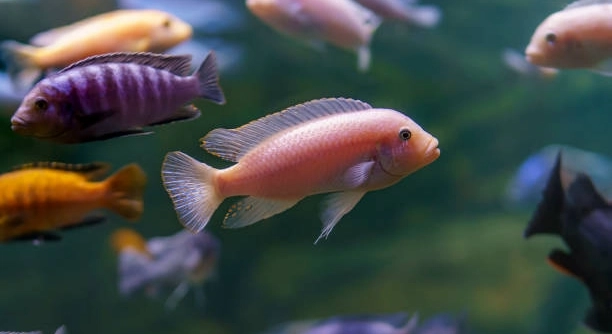
Keeping convict cichlids in an aquarium can be both rewarding and challenging. These fish are known for their strong personalities and territorial behavior, making it important to understand how pairing affects their daily interactions and overall wellbeing.
Convict cichlids thrive when kept in pairs because it promotes natural social behaviors, reduces stress, encourages breeding, and helps maintain a balanced tank environment. Pairing also minimizes aggressive encounters and allows for a more stable and healthy habitat.
Learning how pairs impact their behavior and tank dynamics will help you create a harmonious environment and enjoy the full potential of these engaging fish.
Reduced Aggression in the Tank
Keeping convict cichlids in pairs significantly lowers aggressive behavior. When these fish are alone or in groups with uneven numbers, they tend to establish dominance through frequent chasing and nipping. Pairing allows them to focus their energy on each other, reducing the need for constant territorial disputes. Observing a well-matched pair, it becomes clear how much calmer the tank environment feels. They swim more confidently and engage in less destructive behavior toward decorations and plants. This reduction in aggression benefits not only the cichlids themselves but also any other species sharing the aquarium. A paired setup also creates a more predictable pattern of interactions, making maintenance and monitoring easier. You notice fewer injuries and less stress-related hiding, contributing to healthier fish. Overall, pairing convict cichlids establishes a stable social structure, which is essential for a peaceful and balanced aquarium.
Paired convict cichlids show noticeably calmer behavior, creating a more harmonious and stable tank environment for all inhabitants.
Beyond reducing aggression, keeping cichlids in pairs enhances their natural behaviors. They build nests together, clean designated areas, and protect each other from perceived threats. This cooperation encourages them to display their full range of instincts, making them more active and visible in the tank. When a pair is present, feeding becomes more organized, with less squabbling over food. They also demonstrate courtship behaviors that are otherwise absent in solitary fish, adding a dynamic element to the aquarium. Observing these interactions can be rewarding and provides a deeper understanding of their natural habits. A pair often establishes a territory within the tank, allowing other species to coexist without constant interference. By maintaining convict cichlids in pairs, you support their physical health and mental stimulation while ensuring the tank remains orderly and engaging for both the fish and the keeper.
Encouraged Breeding
Pairing convict cichlids increases the likelihood of successful breeding. When a compatible male and female are present, they often display coordinated behaviors and prepare safe nesting areas, improving reproduction chances.
Proper pairing can lead to consistent spawning cycles and stronger fry survival rates.
Breeding convict cichlids requires attention to their environment, but having a stable pair simplifies this process. A compatible pair communicates through subtle body movements and guarding behaviors, which are essential for protecting eggs and young. They are more likely to share duties, such as cleaning the nest and fanning eggs, ensuring a healthier start for their offspring. Observing these interactions provides insight into their natural instincts and strengthens the keeper’s connection with the fish. Maintaining proper water conditions and a secure habitat further supports breeding success. With a dedicated pair, the tank becomes an organized and nurturing space, allowing both adult fish and fry to thrive, while minimizing stress and potential conflicts that may arise from multiple unpaired cichlids.
Stronger Social Bonds
Convict cichlids develop stronger social bonds when kept in pairs. They learn to recognize and respond to each other’s behaviors, which promotes cooperation and reduces unnecessary stress in the tank.
These social bonds are evident in how the pair interacts throughout the day. They swim together, share territory, and communicate with subtle movements. When one fish becomes alert or cautious, the other often mirrors the behavior, demonstrating a synchronized awareness. This connection not only benefits their mental wellbeing but also creates a calmer environment for all tank inhabitants. Paired cichlids are more confident and active, displaying behaviors that solitary fish rarely show. The presence of a companion encourages natural routines like feeding, exploring, and nest maintenance, which are essential for their overall health. Over time, the consistency of these interactions builds trust and predictability within the tank, contributing to a stable and harmonious aquatic environment that is easier to manage and more enjoyable to observe.
Stronger social bonds also make convict cichlids more interactive and engaging, adding life and energy to the aquarium while keeping them mentally stimulated.
The benefits of pairing extend beyond companionship. A bonded pair is less likely to stress other tank mates and more likely to maintain their territory responsibly. They also engage in mutual care behaviors, such as guarding eggs or fanning young fry, ensuring higher survival rates. Observing these interactions provides insight into their natural instincts, revealing their cooperative side and organized routines. Pairing reduces erratic or destructive actions, which is particularly noticeable in tanks with plants and decorations. Over time, the pair develops routines that include feeding coordination, territory patrolling, and resting patterns, creating a balanced and predictable environment. This stability not only supports their physical and mental health but also simplifies tank maintenance and enhances the visual appeal of the aquarium, making it more enjoyable for anyone who spends time observing their behavior.
Easier Tank Management
Maintaining convict cichlids in pairs simplifies tank management. Balanced interactions reduce stress, injuries, and aggressive incidents, making care routines more straightforward and predictable.
Paired cichlids create a more organized environment. They establish clear territories, limiting destructive behavior and minimizing conflicts with other species. This predictability makes feeding, cleaning, and monitoring the tank easier. You spend less time separating aggressive fish or treating injuries, allowing you to focus on maintaining water quality and supporting the fish’s natural behaviors. The pair often self-regulates interactions, reducing chaos and making their daily patterns consistent. Over time, managing a tank with a paired setup feels more controlled and less stressful.
Simplifying tank maintenance with paired cichlids also allows you to concentrate on improving the aquarium’s overall health and stability, benefiting all inhabitants and creating a more enjoyable environment.
Mutual Territory Defense
Paired convict cichlids defend their territory more effectively. Two fish working together can ward off intruders and maintain control over their space, reducing stress and conflict in the tank.
This cooperative defense benefits both the pair and other tank inhabitants. They share the responsibility of patrolling, which creates a calmer and more stable environment overall.
Consistent Activity Levels
Keeping cichlids in pairs encourages regular activity. They swim, explore, and interact with each other throughout the day, preventing lethargy and promoting healthy exercise.
Regular movement strengthens their muscles and supports natural behaviors. Pairs stimulate one another to remain active, which contributes to their overall physical and mental wellbeing.
Improved Feeding Efficiency
Paired convict cichlids feed more efficiently. Competition between the two is minimal, and they often take turns, ensuring both receive adequate nutrition without excessive stress or aggressive behavior.
Reduced Stress Indicators
Cichlids in pairs show fewer stress behaviors, such as hiding or erratic swimming. Being together provides a sense of security and stability.
FAQ
How do I know if my convict cichlids are compatible as a pair?
Compatibility is usually observed through behavior. Compatible pairs spend time swimming together, sharing territory, and engaging in cooperative activities like guarding nests. Aggressive or overly dominant behavior may indicate incompatibility. Monitoring their interactions over several days helps determine if they are a suitable pair.
Can I keep more than one pair in the same tank?
Yes, but tank size and layout are important. Each pair needs its own space and territory. Overcrowding can lead to stress, aggressive encounters, and territorial disputes. Adding extra hiding spots and decorations can help reduce conflicts between multiple pairs.
What tank size is best for a pair of convict cichlids?
A minimum of 30 gallons is recommended for a single pair. Larger tanks provide room for territories, swimming, and natural behaviors. Adding vertical and horizontal space with rocks and plants allows them to establish boundaries without constant conflict.
How should I feed a pair of convict cichlids?
Feed small, frequent portions to reduce competition. Offer a mix of high-quality flakes, pellets, and occasional live or frozen foods. Observe feeding behavior to ensure both fish get enough nutrition without one dominating the other.
Do convict cichlids need specific water conditions?
Yes, they prefer a pH of 6.5–8.0 and a temperature between 75–82°F. Stable water conditions reduce stress and support health, breeding, and activity levels. Regular testing and maintenance are essential to prevent fluctuations that could harm the fish.
How can I encourage breeding in a paired setup?
Provide flat surfaces or caves for nesting. Maintain clean water, consistent feeding, and stable conditions. Pairs often initiate courtship naturally when they feel secure. Avoid disturbing them during nesting, as stress can reduce egg-laying and fry survival.
What are common signs of stress in convict cichlids?
Stress indicators include excessive hiding, rapid breathing, erratic swimming, and aggression. A well-paired tank shows calmer, consistent behavior, with the fish exploring, feeding, and interacting normally. Stress can often be reduced by adjusting water quality, tank layout, or pairing conditions.
Can convict cichlids live with other species?
Yes, but choose compatible tank mates carefully. Peaceful, similarly sized fish are best. Avoid slow-moving or timid species that could be harassed. Observing interactions and providing hiding spots helps maintain harmony between the pair and other inhabitants.
How often should I clean a tank with a pair of cichlids?
Partial water changes of 20–25% weekly are ideal. Regular cleaning of substrates, decorations, and filters ensures water quality. A clean environment supports health, reduces stress, and prevents disease while maintaining the pair’s natural behaviors.
What should I do if my pair becomes aggressive toward each other?
Monitor closely and ensure there is enough space and hiding spots. Sometimes aggression is temporary during territory establishment. Persistent aggression may require separating the pair temporarily until the tank dynamics stabilize. Observing patterns can help prevent future conflicts.
How long do convict cichlids typically live?
With proper care, they can live 8–10 years. Providing a stable environment, balanced diet, and compatible pairings contributes to longevity and overall wellbeing. Regular observation helps catch health issues early, extending their life expectancy.
Are there any signs that a pair is not bonding?
Yes, incompatible pairs may constantly chase, fight, or avoid each other. They may establish separate territories and ignore cooperative behaviors. Intervening early by rearranging the tank or adjusting pairing conditions can sometimes improve compatibility.
Do paired convict cichlids need special decorations or hiding spots?
Yes, caves, rocks, and plants help them establish territories and feel secure. Hiding spots reduce stress, prevent aggressive encounters, and support natural behaviors like nesting and exploration. Strategic placement can enhance tank harmony.
Is it necessary to monitor water parameters daily for a pair?
Daily monitoring is not always required but checking weekly is essential. Stable water parameters prevent stress, disease, and breeding issues. Rapid changes in pH, temperature, or ammonia can negatively affect paired cichlids’ health and behavior.
Can a pair of convict cichlids help control algae in the tank?
While they may nibble on algae occasionally, they are not reliable algae eaters. Algae control requires proper tank maintenance, lighting management, and introducing species specifically suited for algae consumption. The pair’s primary role is social stability and territory maintenance.
What is the best way to introduce a new pair into an established tank?
Quarantine the new pair first to prevent disease. Introduce them slowly using visual barriers or separate compartments initially. Gradually allow full access while monitoring interactions to reduce aggression and territorial disputes with existing tank mates.
Do paired convict cichlids require any supplements or vitamins?
A varied diet usually provides necessary nutrients. Occasional supplements or frozen foods rich in protein can support health, color, and breeding. Over-supplementing is unnecessary if the main diet is balanced and high quality.
How do I know if my pair is happy and healthy?
Signs of a healthy pair include active swimming, regular feeding, cooperative behavior, and consistent territory use. Bright coloration, smooth fins, and alertness also indicate wellbeing. Monitoring behavior over time helps maintain their health and satisfaction in the tank.
Can a pair be separated temporarily for tank maintenance?
Yes, temporary separation may be necessary during extensive cleaning or rearrangement. Provide adequate space and hiding areas for each fish. Reintroduce them gradually to prevent stress and aggression once maintenance is complete.
Is breeding necessary to keep a pair healthy?
Breeding is not required for health, but natural behaviors like nest building and territory defense stimulate activity and reduce boredom. Supporting these behaviors in other ways, like adding hiding spots or structured spaces, can mimic natural routines.
What are the risks of keeping convict cichlids alone?
Solitary cichlids may become stressed, aggressive, or lethargic. They lack social interaction, which can lead to poor mental stimulation and abnormal behaviors. Pairing ensures cooperative activity, reduces stress, and encourages natural behaviors that support overall health.
Final Thoughts
Keeping convict cichlids in pairs offers many advantages that contribute to a healthier and more stable aquarium environment. Paired fish demonstrate natural behaviors that are often absent in solitary individuals. They swim together, patrol their territory, and respond to each other’s movements, which encourages a sense of security. This cooperation reduces stress and aggressive behavior, not only between the pair but also toward other tank inhabitants. Observing a well-paired set of cichlids makes it clear how much calmer the tank feels, as the fish develop routines and predictable patterns that make daily interactions smoother. Over time, these pairs establish their own social structure, which supports mental stimulation and physical activity, both of which are essential for their wellbeing. The reduction in aggression and the increase in natural behaviors create a tank that is easier to manage and more enjoyable to watch.
Pairing also supports breeding and reproduction, which can be particularly rewarding for anyone interested in raising fry. A compatible male and female will engage in courtship, build nests, and take turns guarding eggs, increasing the chances of healthy offspring. These behaviors are a natural extension of their social bonds, and maintaining a stable pair ensures that both adults and fry have the best possible environment. Even outside of breeding, having a companion allows convict cichlids to stay active and engaged throughout the day. They are less likely to hide, display erratic swimming, or show signs of stress when a partner is present. With proper care, including stable water conditions, adequate space, and a balanced diet, paired cichlids thrive in ways that solitary fish often cannot. The presence of a compatible partner provides both physical and psychological benefits that contribute to long-term health and activity.
Finally, keeping convict cichlids in pairs simplifies tank management and improves the overall quality of the aquarium. Cooperative behaviors and established territories reduce destructive tendencies, making it easier to maintain decorations, plants, and other tank features. Feeding becomes more predictable, as both fish can eat without constant competition, and their daily patterns become easier to monitor. Observing paired cichlids also offers a clearer understanding of their natural instincts and social dynamics. With proper planning, tank setup, and attention to compatibility, a paired setup creates a stable, harmonious environment that benefits all inhabitants. The simplicity of managing a tank with a compatible pair, combined with the natural stimulation and reduced stress it provides, makes pairing convict cichlids a practical and rewarding choice for any aquarium keeper.

Hello,
If you enjoy the content that we create, please consider saying a "Thank You!" by leaving a tip.
Every little bit helps us continue crafting quality advice that supports the health, happiness, and well-being of pets around the world, for pets of all shapes, sizes, and species.
We really appreciate the kindness and support that you show us!