
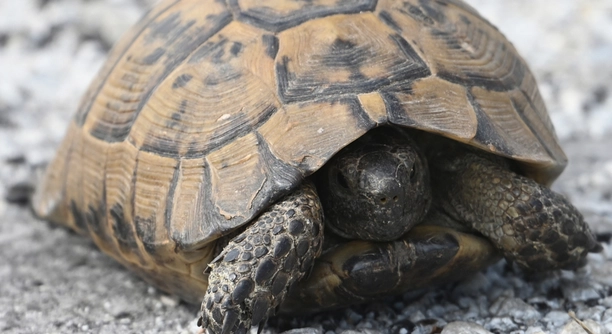
Greek tortoises are becoming a popular pet choice, especially for beginners. Their calm demeanor and manageable size make them ideal for those considering reptiles as pets. Here are some reasons why you might want to choose one.
Greek tortoises are a great choice for first-time reptile owners due to their friendly nature, low maintenance needs, and moderate size. They adapt well to different environments and can be kept indoors or outdoors with minimal care.
Their care needs are simple, and they thrive in warm, dry environments. With proper setup and attention, your Greek tortoise will become a wonderful companion for years to come.
Low Maintenance Care
Greek tortoises are known for their easy-to-manage care requirements, making them an excellent choice for first-time reptile owners. They are hardy animals that don’t require constant attention. As long as their habitat is set up correctly with the right lighting, temperature, and humidity, they can thrive with minimal effort. You won’t need to worry about daily feeding or frequent cleanups. Their diet mainly consists of leafy greens, and they drink water when needed. This simple care routine allows you to enjoy your pet without being overwhelmed by the demands of high-maintenance animals.
Their low maintenance care gives owners time to enjoy them without stress. When you ensure their habitat is safe and their diet is balanced, the rest takes care of itself.
Greek tortoises are quite independent, making them a good fit for people who might not have time for a more demanding pet. They don’t need constant interaction, although they enjoy being handled from time to time. Their calm nature makes them easy to observe and admire, which is great for people who appreciate having a pet but don’t want the intensive commitment that comes with some other animals. Setting up their enclosure with a proper UVB light and keeping the temperature consistent is about all the effort you need to put in. They naturally have a slow pace, which means they won’t require constant mental stimulation. If you want a pet that doesn’t demand too much attention, a Greek tortoise fits the bill.
Long Lifespan
Greek tortoises are a long-term commitment, often living anywhere between 50 to 80 years in some cases. This gives them an advantage over other pets, as they can be a companion for many decades. While this is a considerable amount of time to care for a pet, it also means that your tortoise will be a consistent presence in your life.
Their long lifespan makes them a dependable pet that can stay with you throughout major life changes. With the right care, they can live out their natural lifespan and provide you with a lasting bond.
The extended life expectancy of a Greek tortoise also means you won’t have to worry about replacing them in a few years, unlike some pets with shorter lifespans. It’s an investment in companionship, and many owners find joy in watching them grow and change over the years. However, it’s important to prepare for the long haul. Their care needs may change over time, but the basics, such as feeding and habitat maintenance, remain relatively consistent. If you’re ready to make a lifelong commitment, a Greek tortoise can be a reliable, low-maintenance companion.
Easy to Feed
Greek tortoises are not picky eaters, which makes feeding them straightforward. Their diet mainly consists of leafy greens like dandelion leaves, clover, and grasses. Occasionally, you can supplement their diet with fruits and vegetables like strawberries, peppers, or squash. As herbivores, they don’t require special animal proteins, so you won’t have to worry about preparing complicated meals.
Feeding them regularly with fresh vegetables is all they need. The simplicity of their diet helps keep their care routine stress-free. Greek tortoises also don’t need any additional vitamins or supplements unless advised by a vet. Their straightforward feeding habits make them a low-maintenance pet.
Overfeeding can be an issue, though, so it’s important to monitor their portions. Providing too much food can lead to obesity, which may cause health problems. Ensuring they get a balanced mix of food, and not overfeeding, will keep them healthy. They also need fresh water daily, which can be provided in a shallow bowl. Simply keeping their environment clean and offering a variety of foods will keep them satisfied and healthy.
Great for Small Spaces
Greek tortoises don’t require a massive amount of space, making them perfect for apartments or smaller homes. A small indoor enclosure with a heat source and UVB light is sufficient for them to thrive. As long as they have room to roam and bask in the warmth, they are happy.
Their small size also makes them easier to care for in limited space. You can set up an enclosure in a corner of a room, and they won’t take up much room. They do need some space to move around, but this can easily be achieved with an appropriately sized tank or outdoor pen.
Greek tortoises also enjoy the occasional outdoor time when weather permits. A small outdoor pen or garden area allows them to forage and enjoy some sunshine. They don’t need a huge yard but do benefit from some natural exposure. Their adaptable nature makes them a great fit for smaller living environments without sacrificing their quality of life. You can easily create a comfortable setup without the need for large spaces.
Minimal Noise
Greek tortoises are quiet pets, which is a huge benefit if you live in a shared space or prefer a calm environment. They don’t make loud noises like some other pets, such as birds or reptiles that vocalize frequently. This makes them ideal for apartments or homes where noise is a concern.
Their lack of vocalization means they won’t disrupt your daily routine or your neighbors. You can keep them in the background, simply providing their needs without worrying about disturbing anyone. Their quiet nature is just one of the many traits that make them an appealing choice.
Suitable for All Ages
Greek tortoises are a great pet for both adults and children. They don’t require complex care, making them easy for anyone to handle. As long as you supervise young children, they can enjoy observing and interacting with these slow-moving reptiles.
Children can learn about responsibility and the basics of animal care without being overwhelmed. Their calm, gentle nature makes them less likely to cause stress in children, unlike more active or aggressive animals. Greek tortoises are naturally docile, making them an excellent choice for families looking to introduce kids to pet care.
Long-Term Commitment
Owning a Greek tortoise is a long-term commitment, with their lifespan ranging from 50 to 80 years. This is something to consider before bringing one into your home. Their long lives can be a positive aspect if you’re ready to provide consistent care over decades.
Being aware of their longevity helps ensure you’re prepared for their needs in the long run. The responsibility of caring for a pet this long requires dedication, but the reward is a companion who will grow with you over time. You’ll have the satisfaction of seeing them thrive for many years.
FAQ
How do I set up a proper habitat for a Greek tortoise?
To set up a habitat for your Greek tortoise, you’ll need a large enclosure, either indoor or outdoor. For an indoor setup, a tank or plastic storage container works well, but it should be large enough to allow movement. The space should have a basking area with a heat lamp to maintain a temperature of around 85-90°F, and a cooler area around 70-75°F. Ensure UVB lighting is provided for 12-14 hours a day to mimic sunlight and help them process calcium. Substrate like coconut coir or a mixture of soil and sand is best for their burrowing needs. Make sure there’s also a shallow water dish for drinking and soaking.
How often should I feed my Greek tortoise?
Greek tortoises should be fed daily, though the type of food can vary. Offer a variety of leafy greens like dandelion greens, clover, and lettuce, as well as herbs and flowers like hibiscus. Occasional fruits and vegetables, such as bell peppers or strawberries, can be given, but should be offered in moderation. Avoid high-fat or sugary foods. Make sure the greens are fresh and free of pesticides. Always provide clean water, even if they don’t drink much. Regular feeding helps them stay healthy and ensures they’re getting the right nutrition.
Do Greek tortoises need a lot of space?
While Greek tortoises don’t require large amounts of space, they do need enough room to move around and explore. A spacious enclosure or a small outdoor pen with grass for them to roam on is ideal. A minimum of 4 feet by 2 feet of space is recommended for a single tortoise. If kept indoors, it’s important to let them have some time outside their enclosure in a safe, secure area. Outdoors, they can benefit from grazing on fresh grasses and exploring different textures in the environment.
Can Greek tortoises live outdoors?
Yes, Greek tortoises can live outdoors if the climate is suitable. They prefer warm, dry environments, so outdoor enclosures should be placed in a sunny area. However, ensure that the temperature doesn’t drop too low at night, as they are not tolerant of cold. You will need to create a safe, enclosed space with appropriate heating and UVB lighting during colder months or at night. You’ll also want to make sure they can’t escape or be preyed upon by other animals. Make sure to provide a shaded area where they can retreat if they get too hot.
What is the best temperature for a Greek tortoise?
Greek tortoises thrive in warm temperatures. The basking area should be around 85-90°F, and the cooler side of their habitat should be around 70-75°F. At night, temperatures can drop slightly, but it’s important to keep them above 65°F. If temperatures fall too low, your tortoise may become lethargic and have trouble digesting food. A heat lamp or ceramic heat emitter can help maintain the right temperature range. Additionally, a UVB light is essential to ensure proper calcium absorption and bone health.
How long do Greek tortoises live?
Greek tortoises have long lifespans, often living between 50 to 80 years, and some have been known to live even longer with proper care. Their longevity means they can become a long-term companion, so it’s important to consider the long-term commitment before getting one. With the right environment, diet, and regular health check-ups, you can expect your tortoise to be with you for many decades.
Can Greek tortoises be kept with other pets?
Greek tortoises are generally solitary animals, so it’s best to keep them alone or with other tortoises of the same species, especially in an enclosure. They may not interact well with other types of pets, as they can get stressed by animals like dogs or cats. However, you can let them interact with other tortoises of similar size and temperament under supervision. If you plan to house your tortoise with other pets, be mindful of their behavior and make sure both the tortoise and the other pets are safe and stress-free.
Do Greek tortoises need special lighting?
Yes, Greek tortoises need both heat and UVB light to stay healthy. UVB light helps them process calcium, which is crucial for their bone health. The light should be provided for 12-14 hours a day, similar to natural daylight hours. A combination of a heat lamp and UVB bulb should be used in their enclosure, with the heat lamp aimed at their basking spot. You will need to replace the UVB bulb every 6-12 months, even if it still works, as the UVB radiation fades over time.
How do I know if my Greek tortoise is healthy?
A healthy Greek tortoise should be active, alert, and eat regularly. Look for clear eyes and a clean, hard shell with no cracks or soft spots. They should have smooth, firm skin with no swelling or unusual bumps. If your tortoise is lethargic, not eating, or showing signs of respiratory distress (like wheezing or nasal discharge), it may be a sign of illness. Regular vet check-ups can help ensure they stay healthy. Make sure they are hydrated and their habitat is clean to avoid potential health problems.
What should I do if my Greek tortoise is not eating?
If your Greek tortoise stops eating, it could be a sign of stress, improper temperature, or health issues. Make sure the enclosure is at the right temperature and that the tortoise has access to fresh, pesticide-free food. Check if they are getting enough sunlight or UVB light. If the environment is correct and they’re still not eating, a visit to the vet may be necessary to rule out health problems such as parasites or respiratory infections. Be patient and try offering a variety of foods to encourage eating.
Final Thoughts
Greek tortoises make great pets, especially for first-time reptile owners. Their calm nature, low maintenance needs, and manageable size make them an excellent choice for people who want to add a reptile to their home without the complexity of other species. They are relatively easy to care for, requiring a suitable habitat with proper temperature and lighting. As long as their basic needs are met, they can thrive with little effort from their owners. Their long lifespan can also make them a lasting companion if you’re ready for the commitment.
One of the major advantages of keeping a Greek tortoise is their low noise level and peaceful demeanor. They won’t disturb your environment with loud sounds or constant movement, making them ideal for smaller homes or apartments. They also don’t need constant attention, so if you have a busy schedule, you won’t have to worry about constantly interacting with them. Their ability to be independent and spend time in their enclosure makes them a perfect fit for people who appreciate a quiet pet that doesn’t demand a lot of time and energy.
However, it’s important to keep in mind that Greek tortoises do require a long-term commitment. With lifespans often reaching 50-80 years, they are not a pet you can expect to outgrow or replace. This makes them ideal for those looking for a companion that will stick around for a lifetime, but it also requires careful planning. Proper care, such as maintaining a suitable habitat and providing the right food, will help ensure your tortoise lives a healthy and happy life. If you’re ready to provide for them in the long run, a Greek tortoise can be a rewarding pet for many years.

Hello,
If you enjoy the content that we create, please consider saying a "Thank You!" by leaving a tip.
Every little bit helps us continue crafting quality advice that supports the health, happiness, and well-being of pets around the world, for pets of all shapes, sizes, and species.
We really appreciate the kindness and support that you show us!