
Choosing the right fish for your aquarium can be both exciting and challenging. Many hobbyists face the decision between popular species like tetras and the less commonly discussed rosy barbs. Each fish brings its own qualities that affect the tank’s environment and overall enjoyment.
Rosy barbs offer several advantages over tetras, including greater hardiness, more active behavior, and vibrant coloration. They adapt well to a range of water conditions and tend to be less shy, making them ideal for beginner and experienced aquarists alike.
Understanding these benefits can help you make a more informed choice for your aquarium setup. The following points will explain why rosy barbs might be a better fit for your aquatic community.
Hardiness and Adaptability
Rosy barbs are known for their resilience in various water conditions. They tolerate a wider range of temperatures and water pH than many tetra species. This hardiness makes them suitable for less experienced aquarists who may not maintain perfect water parameters consistently. They recover quickly from minor stresses, such as changes in water chemistry or transportation. Their adaptability allows them to thrive in community tanks with other species, reducing the risk of illness or death. Unlike some tetras that require very stable conditions, rosy barbs can handle fluctuations more effectively. This durability means less time spent on troubleshooting water quality and more enjoyment observing your fish.
Their ability to adjust easily to different environments makes rosy barbs a reliable choice for many aquarium setups. This is especially helpful for those new to fishkeeping or those who prefer a lower-maintenance tank.
Compared to tetras, rosy barbs provide a more forgiving option, reducing stress related to water care. Their strength supports a healthier and longer lifespan, allowing owners to enjoy their colorful presence without constant worry about water parameters.
Activity and Interaction
Rosy barbs are more active swimmers than many tetra species. They often explore the entire tank, creating a lively atmosphere. This increased movement adds dynamic energy to the aquarium, making it more engaging to watch. Their social behavior encourages interaction not only with other barbs but also with different fish species. Tetras, while also social, tend to stay near the middle or top of the tank and can be less visible.
The active nature of rosy barbs brings a vibrant life to the aquarium that many find appealing.
This activity level benefits the tank’s ecosystem by promoting movement and reducing algae buildup in some areas. Rosy barbs also tend to school in larger groups, which helps reduce stress and increases their natural behaviors. Their consistent presence throughout the tank creates a balanced environment, as they are less likely to hide or remain idle. The energy they bring often encourages shy or slower fish to become more active. This can make the aquarium feel more cohesive and alive. Tetras’ calmer swimming habits contrast with the more robust and lively nature of rosy barbs, which many aquarists appreciate for visual interest and aquarium dynamics.
Color and Appearance
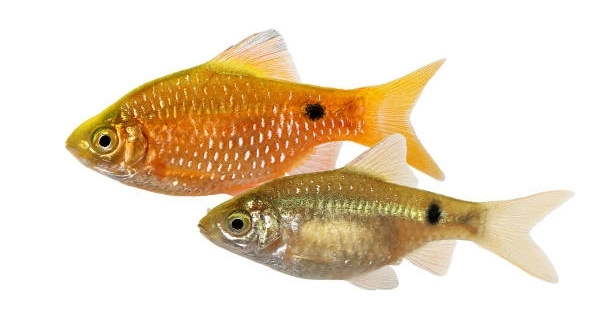
Rosy barbs have a bright, attractive coloration that stands out in any tank. Their reddish-pink hues and shimmering scales catch the light beautifully. This vibrant look can be more striking than the often muted tones of many tetras.
The coloration of rosy barbs tends to be more intense and noticeable. Their red and pink shades become even richer as they mature, offering a dynamic visual appeal. In contrast, some tetras have subtler colors that may blend into the background. Rosy barbs’ shiny scales reflect light in a way that adds sparkle to the aquarium. This bright appearance can enhance the overall aesthetic, especially in tanks with neutral or dark substrate. For those wanting a lively, colorful tank, rosy barbs provide a consistent splash of color.
Their coloring is not only beautiful but also a sign of health and vitality. Healthy rosy barbs maintain vivid hues, which helps you monitor their well-being easily. Tetras sometimes fade in color when stressed, making rosy barbs a more reliable choice for maintaining visual interest.
Size and Tank Compatibility
Rosy barbs grow larger than most tetras, reaching about 4 inches in length. This size difference affects tank requirements and compatibility with other fish. Their size allows them to hold their own in community tanks without being overwhelmed.
Larger size means rosy barbs are less likely to become prey for bigger fish. They can coexist peacefully with other medium-sized species, offering more flexibility in tank mates. While tetras often stay smaller and may need more protective environments, rosy barbs adapt well to various social settings. Their size also makes them easier to spot in the aquarium, adding to their appeal. However, their larger size requires a tank with enough swimming space to accommodate their active behavior.
Tank compatibility is improved by their size and temperament, making them suitable for mixed-species tanks. Their ability to coexist without aggression or stress benefits the whole aquarium community, unlike some tetras that can be sensitive to tank dynamics.
Feeding Habits
Rosy barbs are not picky eaters and accept a wide range of foods. They eat flakes, pellets, frozen, and live foods with equal enthusiasm.
Their adaptable diet makes feeding simpler compared to some tetras that may have more specific needs. This flexibility helps maintain their health with less effort.
Temperament
Rosy barbs are generally peaceful but can be moderately boisterous. They interact well with other active fish and rarely show aggression.
This temperament suits community tanks where a balance between calm and lively fish is desired.
Breeding Ease
Breeding rosy barbs is relatively straightforward compared to tetras. They readily spawn in home aquariums with minimal intervention.
Their eggs and fry are easier to care for, increasing the chances of successful breeding even for beginners.
Lifespan
Rosy barbs typically live longer than many tetra species. Their average lifespan ranges from five to seven years in good conditions.
A longer lifespan offers more consistent enjoyment and value for aquarists investing in their tanks.
What water conditions do rosy barbs prefer?
Rosy barbs thrive best in moderately hard water with a pH between 6.5 and 7.5. They tolerate temperatures from 64°F to 78°F (18°C to 26°C), making them quite adaptable. Unlike some tetras that require very stable conditions, rosy barbs can handle slight fluctuations without stress. Regular water changes and a well-filtered tank help maintain water quality and keep them healthy.
Are rosy barbs aggressive towards other fish?
Generally, rosy barbs are peaceful but can be a bit nippy, especially if kept in too small groups or crowded tanks. They do well with other active, similarly sized fish but may nip at slower or long-finned species. Keeping them in groups of at least five helps reduce this behavior, as they focus more on social interactions within their school than on other tankmates.
How large do rosy barbs grow?
Adult rosy barbs typically reach about 4 inches (10 cm) in length. This size is larger than most common tetras, which usually grow to around 1.5 to 2 inches. Their bigger size makes them more visible and active swimmers, adding lively movement to your aquarium. It also means they need a larger tank space compared to smaller fish like tetras.
What should I feed rosy barbs?
Rosy barbs are not picky eaters and will accept flakes, pellets, frozen foods, and live foods like brine shrimp or bloodworms. Providing a varied diet helps maintain their vibrant color and overall health. Feeding small amounts two to three times daily is ideal. Overfeeding should be avoided to prevent water quality issues.
Can rosy barbs live with tetras?
Yes, rosy barbs can live with tetras, but tank size and temperament compatibility are important. Because rosy barbs are more active and occasionally nippy, they should be kept with tetras that are fast swimmers and not prone to fin-nipping. Ensure the tank is large enough to give all fish enough space to reduce stress and aggression.
How often should I clean the tank with rosy barbs?
Maintaining good water quality is essential. A partial water change of 20-30% once a week is recommended. Rosy barbs produce moderate waste, so regular cleaning of the substrate and filter maintenance helps keep ammonia and nitrate levels low. Clean water promotes their health and vibrant appearance.
Are rosy barbs suitable for beginners?
Yes, rosy barbs are an excellent choice for beginner fishkeepers. Their hardiness, adaptable diet, and tolerance for minor water changes make them easier to care for than some tetras. Their active behavior also makes them enjoyable to watch. However, beginners should still maintain proper tank conditions and avoid overcrowding.
What size tank is recommended for rosy barbs?
A minimum tank size of 20 gallons is recommended for a small group of rosy barbs. Since they are active swimmers and grow larger than tetras, they need ample space to move. A larger tank is better if you want to keep more fish or other species together to reduce aggression and maintain a healthy environment.
How do I breed rosy barbs?
Breeding rosy barbs is relatively simple. Provide a separate breeding tank with fine-leaved plants or spawning mops. Raise the temperature slightly to around 75°F (24°C) and feed the adults high-quality live or frozen foods to encourage spawning. Females scatter eggs among plants, which hatch in 2-3 days. Remove the adults after spawning to prevent egg predation.
What common health issues affect rosy barbs?
Rosy barbs are generally hardy but can be prone to common freshwater fish diseases like ich or fin rot if water quality declines. Regular tank maintenance, a balanced diet, and stress reduction help prevent illnesses. Quarantining new fish before adding them to the tank also lowers the risk of introducing disease.
Do rosy barbs need special lighting?
Rosy barbs do not require special lighting, but moderate lighting helps enhance their color and encourages natural behavior. Avoid very bright lights that may stress them, and provide shaded areas with plants or decorations. A consistent day-night cycle supports their health and well-being.
How long do rosy barbs live?
With proper care, rosy barbs live between five and seven years on average. Their longer lifespan compared to some tetras means they can be a lasting addition to your aquarium. Consistent water quality and a nutritious diet contribute to their longevity.
Can rosy barbs tolerate cooler water?
Rosy barbs can tolerate slightly cooler temperatures than many tropical fish, down to about 64°F (18°C). This makes them suitable for unheated tanks in mild climates. However, they do best in stable, moderate temperatures and should not be exposed to sudden drops.
Are rosy barbs schooling fish?
Yes, rosy barbs are schooling fish and prefer to be kept in groups of five or more. Schooling reduces aggression and stress, promoting natural behavior. A group also creates a visually appealing movement in the tank that is enjoyable to watch.
What decorations work best for rosy barb tanks?
Rosy barbs appreciate tanks with open swimming space combined with plants and hiding spots. Live or artificial plants, smooth rocks, and driftwood provide shelter and territory boundaries. Avoid sharp decorations that could injure their fins during active swimming.
How do rosy barbs compare to tetras in behavior?
Rosy barbs tend to be more energetic and robust swimmers than tetras. While tetras often stay mid-level and move gently, rosy barbs explore the whole tank actively. This livelier behavior adds energy but can sometimes cause mild fin-nipping if not kept in proper groups.
When choosing fish for an aquarium, it is important to consider the specific needs and behaviors of each species. Rosy barbs stand out as a strong option due to their hardiness and adaptability. They tolerate a wider range of water conditions than many tetras, making them easier to care for, especially for those who are still learning the basics of aquarium maintenance. Their ability to thrive in different environments reduces the risk of health problems related to water quality, which can be a common concern for aquarium owners. This resilience makes rosy barbs a practical and reliable choice.
Beyond their hardiness, rosy barbs bring a lot of visual appeal to an aquarium. Their bright, shimmering colors and active swimming behavior create a lively and engaging display. Compared to the often smaller and more delicate tetras, rosy barbs provide more movement and a stronger presence in the tank. Their size and energetic nature make them easier to notice and enjoy. This can be especially rewarding for aquarists who want a tank that feels vibrant and full of life. Additionally, their social behavior means they do well in groups, which can add depth and interest to the aquarium’s dynamic.
In terms of care, rosy barbs are not demanding when it comes to diet or tank conditions. They accept a variety of foods and do not require specialized feeding, which simplifies daily care routines. Their temperament is generally peaceful, but they do show a bit more activity and interaction than many tetra species. This makes them a good fit for community tanks where a balance of calm and lively fish is desired. Overall, rosy barbs offer a combination of durability, beauty, and engaging behavior, making them a smart and enjoyable choice for many aquarists.

Hello,
If you enjoy the content that we create, please consider saying a "Thank You!" by leaving a tip.
Every little bit helps us continue crafting quality advice that supports the health, happiness, and well-being of pets around the world, for pets of all shapes, sizes, and species.
We really appreciate the kindness and support that you show us!