
Are you thinking about adding a splash of color and personality to your aquarium but aren’t sure which fish to choose? Rainbow fish and tetras are both popular, but one may suit your setup better.
Rainbow fish are often preferred over tetras due to their vibrant coloration, peaceful behavior, and compatibility with a variety of tank mates. They are also hardy, adaptable, and tend to live longer, making them ideal for both new and experienced aquarists.
There are clear benefits to keeping rainbow fish that may surprise you as you consider your next aquarium addition.
Rainbow Fish Have More Striking Colors
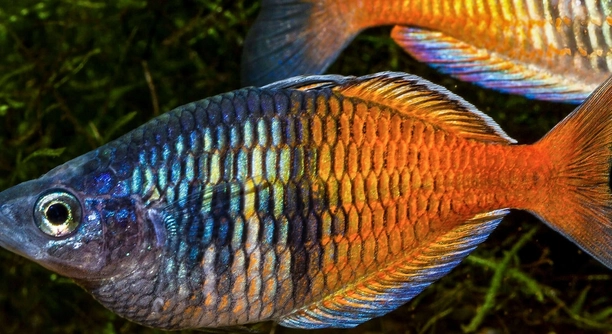
Rainbow fish are known for their vivid, shimmering colors that change slightly depending on the light and angle. These colors often intensify as they age or during breeding. Compared to tetras, which usually have more subdued hues, rainbow fish stand out with bold blues, greens, reds, and even purples. Their color patterns can brighten up any tank and create a more dynamic visual experience. If you’re someone who enjoys watching fish that bring energy and life to a setup, rainbow fish offer a constant show of color. They’re also active swimmers, so their vibrant scales are always in motion. Their appearance tends to improve with proper care, making them both rewarding and stunning to observe. While tetras have their own charm, they often don’t show the same level of color brilliance or variation across species. For aquarists who care about aesthetics, rainbow fish offer a more vibrant option.
Rainbow fish often display their colors more boldly when kept in groups, adding even more brilliance to your tank.
Their colors can also shift throughout the day, especially when light hits them from different angles, which makes watching them even more enjoyable.
Rainbow Fish Are Less Prone to Disease
Tetras, while hardy in many conditions, can be more sensitive to sudden water changes or poor tank maintenance. Rainbow fish, however, tend to be more resilient when it comes to disease resistance.
Their sturdy nature makes rainbow fish easier to care for, especially for aquarists who want lower-maintenance tank mates. They are less likely to develop common illnesses like ich or fin rot if kept in clean, well-maintained environments. Unlike some tetras, which may show stress in fluctuating water conditions, rainbow fish adapt more readily to shifts in pH or temperature within safe ranges. This adaptability doesn’t mean you can skip regular care, but it does provide a layer of comfort knowing your fish are more likely to stay healthy. Their robust immune systems, combined with their active nature, contribute to a longer life span and fewer complications in community tanks. For those who prefer a smoother, more manageable experience, rainbow fish offer peace of mind.
Rainbow Fish Are More Peaceful in Community Tanks
Rainbow fish tend to get along well with other peaceful species. They rarely nip fins or act aggressively, which makes them easy to pair with different types of fish in community setups without causing problems or stress.
Their calm nature is especially useful if you’re trying to keep a mix of species in one tank. While some tetras may become territorial or nippy, rainbow fish usually avoid conflict. They swim in open spaces, rarely hiding or acting skittish once they’ve settled in. This balanced behavior makes them ideal tank mates for guppies, rasboras, and bottom dwellers like corydoras. They don’t chase or intimidate others, allowing the whole tank to feel more relaxed. This makes day-to-day observation more enjoyable and less stressful. If you prefer a community tank that feels balanced and harmonious, rainbow fish contribute a steady, peaceful presence.
They’re also less likely to show dominant behavior during feeding time. Instead of pushing other fish aside, they usually take turns at the surface or mid-water, keeping things calm. This makes feeding easier and more organized, even when you have several species sharing the same tank.
Rainbow Fish Live Longer
Most rainbow fish live five to eight years with proper care. That’s longer than many types of tetras, which often live around three to five years depending on species and conditions. A longer lifespan means you can enjoy their presence for more time.
Their longer life expectancy isn’t just about numbers—it also reflects how adaptable they are to aquarium life. Rainbow fish can thrive in a variety of water conditions and respond well to consistent care routines. They tend to handle changes better than tetras, and they rarely show signs of stress when properly introduced to a tank. Their active nature and responsiveness also make them more engaging over time. You’ll notice how their behavior patterns develop, and you can form more of a connection through feeding routines and care. This kind of stability in a pet is comforting, especially if you like building a tank that feels established and mature.
Rainbow Fish Are More Active and Engaging
Rainbow fish swim with purpose and energy, often exploring every part of the tank. Their movement is smooth and steady, making them fun to watch without being chaotic or disruptive to other tank mates. They add constant life to any aquarium setup.
They’re especially active during feeding and when schooling together. Their swimming patterns feel coordinated, which creates a sense of rhythm in the tank. This behavior makes them more entertaining than fish that stay hidden or hover in one spot most of the time.
Rainbow Fish Grow Larger Than Most Tetras
Most rainbow fish grow to about three to five inches, depending on the species. Tetras typically stay much smaller, which can make them less noticeable in a large tank. The larger size of rainbow fish means they’re easier to see and appreciate, especially from a distance. Their size also makes them better suited for tanks with other mid-size species. They’re still peaceful, but their presence is more balanced when kept with similar-sized fish. This helps avoid potential stress that smaller fish sometimes face when living with larger tank mates. A bigger fish also means more color on display, which adds visual interest to your setup.
Rainbow Fish Have More Varieties
There are many types of rainbow fish available, from the popular Boesemani to the delicate threadfin. Each has a unique shape and color blend, giving you more options to match your tank’s look and feel.
FAQ
What are the best water conditions for rainbow fish?
Rainbow fish thrive in slightly acidic to neutral water (pH 6.5–7.5). They prefer temperatures between 72°F and 78°F (22°C–26°C). It’s important to maintain consistent water parameters to keep them healthy. Regular water changes and good filtration are essential to replicate their natural habitat. They also appreciate moderate water movement, which mimics the flowing streams and rivers they come from.
How many rainbow fish should I keep in a tank?
Rainbow fish are best kept in schools of at least six or more. A group helps reduce stress and allows them to display their natural behavior, such as swimming together in unison. Larger schools are even better for their mental and physical well-being. A tank with six or more rainbow fish will be more visually appealing as well, as their colors become more vibrant in a group.
Can rainbow fish live with other species?
Yes, rainbow fish are peaceful and can live harmoniously with other species. They do well with similar-sized fish like guppies, danios, and rasboras. Avoid aggressive or fin-nipping fish, as rainbow fish don’t typically defend themselves. It’s important to make sure all tank mates have compatible water and temperature needs to avoid stress.
How do I feed rainbow fish?
Rainbow fish are omnivores and will eat a variety of foods, including high-quality flake food, pellets, and live or frozen foods like brine shrimp and daphnia. It’s important to offer a balanced diet to ensure their health. Feeding them two to three times a day is ideal, but be mindful of overfeeding. Excess food can lead to poor water quality.
Do rainbow fish need a lot of space?
Rainbow fish are active swimmers, so they need plenty of space to move around. A tank of at least 30 gallons is recommended for a small group. The more space, the better, especially if you’re keeping other fish as well. Larger tanks also help maintain better water quality, which is crucial for their health.
What are the signs of stress in rainbow fish?
Stress in rainbow fish can show up as color fading, erratic swimming, or hiding more than usual. They may also stop eating or become more aggressive toward other fish. Common stressors include poor water quality, incompatible tank mates, sudden temperature or pH fluctuations, and overcrowding. If you notice these signs, it’s important to check water parameters and make any necessary adjustments.
Can rainbow fish breed in a home aquarium?
Yes, rainbow fish can breed in an aquarium, although they’re not the easiest fish to breed. You’ll need a separate breeding tank with gentle filtration, dense planting, and consistent water conditions. Some species of rainbow fish breed better in slightly acidic water with a temperature of around 78°F (25°C). Spawning can be triggered by a slight change in water conditions or by offering more live foods. After breeding, remove the parents to prevent them from eating the eggs. The eggs will hatch in about a week.
How long do rainbow fish live?
Rainbow fish generally live between five and eight years when kept in ideal conditions. Some species can live even longer, up to 10 years, with the right care. A longer lifespan is one of the appealing traits of rainbow fish, as they provide years of enjoyment with minimal effort. Their hardy nature and ability to adapt to different water conditions contribute to their longevity.
Are rainbow fish prone to diseases?
Rainbow fish are generally healthy and resistant to many common aquarium diseases. However, like all fish, they can become sick if water conditions are poor or if they’re stressed. Diseases like ich, fin rot, and velvet can affect them, though they’re less prone to these issues compared to more delicate species. Regular water changes, proper filtration, and avoiding overcrowding can help prevent disease outbreaks.
What is the ideal tank setup for rainbow fish?
Rainbow fish do best in tanks with plenty of open swimming space, as well as plants and decorations to offer hiding spots. A tank with a good filtration system is important to keep the water clean and stable. It’s also beneficial to add some driftwood and rocks to mimic their natural environment. A well-maintained aquarium with proper lighting and temperature control will ensure your rainbow fish thrive.
Do rainbow fish need live plants in their tank?
While rainbow fish don’t require live plants, adding them can benefit both the fish and the tank environment. Live plants help oxygenate the water, improve water quality, and provide hiding spots. Plants also create a more natural environment, which can reduce stress for the fish. Some species of rainbow fish enjoy nibbling on plant matter, so adding hardy plants like Java fern or Anubias is a good option.
Final Thoughts
Rainbow fish are an excellent choice for anyone looking to add lively, colorful fish to their aquarium. Their peaceful nature makes them compatible with a wide range of tank mates, and they thrive in community setups. Unlike some species that can be territorial or aggressive, rainbow fish swim freely and interact well with other species. Their active behavior and stunning colors create a dynamic, visually appealing tank environment. With the right care and attention, rainbow fish can be a great addition to any aquarium, providing enjoyment for years.
When it comes to maintaining rainbow fish, the key is consistency. They thrive in stable water conditions, so regular water changes and monitoring of temperature and pH levels are essential. Their diet is fairly simple, and feeding them a balanced variety of foods helps keep them healthy and vibrant. A well-planted tank with adequate swimming space will allow rainbow fish to exhibit their natural behavior and fully appreciate their beauty. Although they can tolerate a range of water conditions, it’s best to avoid drastic changes, as this can lead to stress or health issues.
Overall, rainbow fish are a rewarding species to care for. They are hardy, easy to maintain, and add a splash of color to your aquarium. Whether you’re a beginner or an experienced aquarium owner, they offer a low-maintenance yet striking option for your tank. With their long lifespan and calm temperament, rainbow fish can be a great addition to any home aquarium.

Hello,
If you enjoy the content that we create, please consider saying a "Thank You!" by leaving a tip.
Every little bit helps us continue crafting quality advice that supports the health, happiness, and well-being of pets around the world, for pets of all shapes, sizes, and species.
We really appreciate the kindness and support that you show us!