
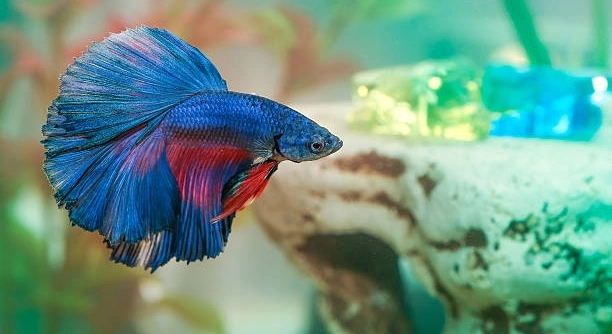
Plastic plants might seem like an easy addition to your Betta tank, but they come with hidden risks. Understanding why they’re not the best choice can make a big difference in your Betta’s health and well-being.
Plastic plants can cause harm to Betta fish due to their sharp edges, which may injure the delicate fins. They also lack the benefits of live plants, such as providing oxygen, hiding spots, and natural filtration.
Choosing the right tank decor is essential for your Betta’s comfort and safety. Understanding the issues with plastic plants will help ensure a healthier, more natural environment for your fish.
Sharp Edges Can Injure Your Betta
Plastic plants can be dangerous for Betta fish due to their sharp edges. Betta fish have delicate fins, which are easily torn or damaged by rough surfaces. When your Betta swims too close to a plastic plant, the risk of injury increases. The fins are essential for their movement and balance, so any harm to them can cause pain, stress, and even long-term health issues. While these plants may look pretty and require no maintenance, the potential harm to your fish outweighs their benefits.
Even a slight tear in a Betta’s fin can affect its swimming ability, making them more vulnerable to diseases. Fins that are torn or ragged may not heal properly, leading to infection. Over time, the injury may cause behavioral changes, as the Betta may avoid certain areas of the tank or reduce swimming activities.
Injury caused by plastic plants often leads to stress. A stressed Betta is more prone to illness, including fin rot, which can further damage the delicate fins. It’s important to prioritize your Betta’s safety by using smooth, non-abrasive decorations. Avoid plastic plants altogether, or opt for silk plants, which are softer and safer for your fish.
Lack of Benefits
Plastic plants don’t offer any of the natural benefits that live plants do. They do not absorb toxins, provide oxygen, or help with tank filtration.
Live plants, on the other hand, contribute to the water quality by absorbing nitrates and providing oxygen. They also create hiding spots, allowing your Betta to feel secure in its environment. Adding real plants is a natural way to improve both the appearance and the health of your tank.
Stress and Aggression
Plastic plants can also contribute to your Betta’s stress levels. Betta fish are territorial and may become more aggressive if their environment feels unnatural or uncomfortable.
When a Betta fish is stressed, it can lead to more aggressive behaviors, such as fin nipping or excessive swimming. This can affect their health and overall well-being. Real plants, especially when they have hiding places, offer a much-needed refuge for your Betta. They can retreat and feel secure without the threat of injury. Also, live plants help create a more balanced and peaceful environment by stabilizing water parameters.
Since plastic plants don’t help with any of these aspects, they can contribute to a sense of unease for your Betta. A stressed fish is not only at risk of injuries but may also experience a weakened immune system, making it more susceptible to diseases. Therefore, it’s essential to consider how your tank decorations affect your Betta’s behavior and comfort.
Cleaning and Maintenance Issues
Plastic plants may seem easy to maintain, but they can actually complicate cleaning. Unlike live plants, they tend to accumulate debris and algae more quickly.
In addition, cleaning plastic plants can be time-consuming and difficult. Algae buildup on plastic is harder to remove compared to live plants, which can be cleaned naturally by aquarium snails or shrimp. As a result, you’ll need to scrub the plants more often, and over time, this could damage the plastic. On top of that, excessive algae growth can further degrade water quality, leading to potential issues with your Betta’s health.
Additionally, plastic plants can harbor bacteria and mold in hard-to-reach spots, especially in areas with poor water circulation. This can create an unhealthy environment for your Betta. In contrast, live plants help improve water quality by naturally absorbing nutrients and offering better filtration. Regular care for live plants ensures a cleaner, healthier environment with less maintenance overall.
By replacing plastic plants with live alternatives, you are not only reducing the risk of harm to your Betta, but you are also benefiting the overall tank ecosystem. Healthy plants improve the tank’s biological filtration, which can ultimately help maintain better water parameters.
Difficulty in Placement
Plastic plants don’t always fit the natural look of your Betta tank. Unlike live plants, they can’t be arranged in a way that mimics natural surroundings. Betta fish prefer environments that resemble their natural habitat, with areas to hide and swim freely.
The rigid structure of plastic plants makes it hard to create a natural layout. They tend to be bulky and don’t allow for creative arrangement. This can make the tank feel less inviting and less comfortable for your Betta. Since Betta fish thrive in a peaceful environment, using decorations that mimic nature can provide a more suitable habitat.
Live plants allow you to design a more dynamic and organic environment. Their flexible nature allows for creative arrangement, making the tank feel more comfortable and visually pleasing for your Betta. Over time, the plants will grow and contribute to a more balanced and healthier environment.
Long-Term Costs
Although plastic plants may be cheaper initially, they can cost more in the long run. Over time, the wear and tear from cleaning and algae buildup can reduce their appearance and effectiveness.
While the upfront cost is appealing, you’ll likely need to replace plastic plants sooner than expected. The repetitive cleaning required to maintain their appearance can eventually cause damage, leading to the need for replacements. In contrast, live plants require only a little more investment upfront but provide lasting value by improving water quality and enhancing your Betta’s environment.
Live plants also offer long-term benefits by creating a natural filter. Their roots can help remove excess nutrients and improve water quality, which in turn helps your Betta thrive. Ultimately, the value of live plants exceeds the lower initial cost of plastic ones.
Plastic Plants Can Harbor Toxins
Plastic plants can release harmful chemicals into the water, especially if they are made from low-quality materials. These chemicals can affect the water quality and harm your Betta’s health. It’s important to ensure any decorations in the tank are safe and non-toxic.
The chemicals that plastic plants might release over time could lead to water contamination. This poses a serious risk to your Betta, as toxins can irritate their skin, gills, and eyes. If the water is polluted, your Betta may experience stress or even develop illness. Using safe materials, like live plants, can prevent such issues and provide a cleaner environment.
A healthier tank ensures a happier Betta. The natural filtration from live plants absorbs harmful compounds, improving water quality and making the environment safer for your fish. This leads to better overall health for your Betta, reducing the risk of disease and stress.
Lack of Movement
Plastic plants are static and don’t offer any movement, which can be important for Betta fish. Betta fish are active and enjoy exploring their environment. They find comfort in tanks that have dynamic elements.
The lack of movement in plastic plants leaves your Betta without a natural flow to interact with. Bettas often appreciate plants that sway with the water’s movement. This gives them a sense of comfort and helps them feel more at ease in their tank. Without movement, the tank can feel unnatural, increasing stress.
Poor Aesthetic Value
Plastic plants can sometimes look unrealistic or overly artificial in a Betta tank. They lack the organic, vibrant appearance of real plants, which can detract from the overall aesthetic.
Over time, plastic plants can lose their appeal as algae build-up or fading colors diminish their visual impact. In contrast, live plants add vibrant greenery to the tank. Their natural movement and changing colors add life to the environment, making the tank a more visually stimulating and pleasant place for both the Betta and the owner.
FAQ
What are the dangers of plastic plants for Betta fish?
Plastic plants pose several risks to Betta fish. They can have sharp edges that damage delicate fins, leading to injury. Over time, these injuries can cause infections or other health problems. Betta fish are sensitive to their environment, and sharp edges can also cause stress. Additionally, plastic plants lack the benefits of live plants, such as improving water quality or providing natural hiding spots, making the tank less comfortable for your Betta.
Can plastic plants cause water quality issues?
Yes, plastic plants can contribute to water quality problems. They can trap debris and waste, leading to the growth of harmful bacteria. Over time, the accumulation of organic matter can cause a decrease in water quality. Plastic plants are harder to clean and more likely to harbor algae, which can further degrade the water. Live plants, on the other hand, absorb excess nutrients and help maintain a cleaner, healthier environment for your Betta.
Are silk plants a better option than plastic?
Silk plants are generally a better choice than plastic ones for Betta tanks. While they are still artificial, they tend to have smoother edges and are less likely to damage the Betta’s fins. Silk plants also provide a more natural look than plastic, making the tank feel more comfortable for your fish. However, they still lack the benefits of live plants, such as contributing to water filtration and improving water quality. Silk plants can still harbor debris and algae, so they still require regular cleaning.
Can live plants improve my Betta’s health?
Yes, live plants can greatly benefit your Betta’s health. They help improve water quality by absorbing excess nutrients and providing natural filtration. Live plants also produce oxygen, which is vital for your Betta. Additionally, they create hiding spots and places for your Betta to explore, reducing stress. Live plants contribute to a more natural and balanced tank environment, which is essential for your Betta’s well-being. The presence of live plants can also help reduce aggression in Betta fish by giving them more places to retreat.
How do I clean plastic plants in a Betta tank?
Cleaning plastic plants can be a tedious process. First, you need to remove the plants from the tank to prevent disturbing the Betta. Use warm water and a soft brush to scrub away any algae, debris, or dirt. Avoid using soap or chemicals, as they can harm your Betta. If the plants have become discolored or damaged, it may be best to replace them. Regular cleaning is essential to prevent bacteria growth, but the process can be time-consuming, and over time, the plants may lose their appearance.
Do plastic plants require less maintenance than live plants?
Plastic plants do require less maintenance in terms of trimming or replanting, but they come with their own set of challenges. While live plants need occasional pruning and care, plastic plants can accumulate algae and debris, which must be manually cleaned. Additionally, plastic plants do not offer the natural filtration benefits that live plants do. Live plants also help maintain better water parameters, which can reduce the need for frequent water changes. Therefore, while plastic plants may seem lower-maintenance at first, they may lead to more cleaning issues in the long run.
Can Betta fish live with silk plants?
Yes, Betta fish can live with silk plants, and they are generally a safer alternative to plastic plants. Silk plants have smooth edges that are less likely to injure the Betta’s fins, and they offer a more natural look to the tank. However, like plastic plants, silk plants do not contribute to water quality or offer the same benefits as live plants. While they are safer than plastic, they still require regular cleaning and maintenance to prevent the buildup of algae and bacteria.
How do I choose the best plants for my Betta tank?
When choosing plants for your Betta tank, it’s important to consider both safety and the health benefits they provide. Soft-leaved plants such as Anubias, Java Fern, and Marimo Moss Balls are great options for Betta tanks. These plants are easy to care for, provide hiding spots, and do not have sharp edges that could harm your Betta. Avoid plants with sharp or spiky leaves, as they can injure the fish. Additionally, make sure the plants are suitable for the tank size and lighting conditions, as some plants may require more care than others.
Do plastic plants affect the appearance of the tank?
Plastic plants can often look artificial and detract from the overall appearance of the tank. They may not blend as naturally into the environment as live plants do, and over time, they can accumulate algae, which further reduces their aesthetic value. While they may come in vibrant colors, the synthetic look doesn’t provide the same beauty or ambiance as natural plants. If you want your Betta’s tank to look more appealing and lively, live plants are a better option, as they contribute to a healthier, more visually attractive environment.
Can I mix live and plastic plants in a Betta tank?
While you can mix live and plastic plants in a Betta tank, it’s not always the best choice. Plastic plants may still pose a risk to your Betta’s fins, and they do not offer the same benefits as live plants. If you choose to mix the two, make sure the plastic plants are smooth and have no sharp edges that could harm the fish. It’s still better to prioritize live plants, as they contribute to water quality, oxygen production, and overall tank health. A balanced mix of live plants will create a more natural and healthy environment for your Betta.
Final Thoughts
Choosing the right decorations for your Betta tank is an important decision. While plastic plants may seem like a convenient and cost-effective option, they come with several downsides. Plastic plants can have sharp edges that may harm your Betta’s fins and cause injury. Additionally, they don’t provide the same benefits as live plants, such as improving water quality or offering a more natural environment for your Betta. Over time, plastic plants can also look artificial, and they require regular cleaning to prevent the build-up of algae and debris.
Live plants, on the other hand, offer many advantages. They help maintain a healthier environment by naturally filtering the water and absorbing excess nutrients. This contributes to cleaner water, which is crucial for your Betta’s health. Live plants also produce oxygen, which is essential for fish in the tank. Beyond their functional benefits, live plants add to the aesthetic appeal of the tank, creating a more natural and vibrant environment that your Betta will enjoy. Although they require a bit more care, the long-term benefits make them a better choice for your fish’s well-being.
While silk plants may be a safer alternative to plastic, they still don’t provide the same advantages as live plants. Silk plants can be an option if you want a more natural look without worrying about sharp edges. However, live plants remain the best option for creating a balanced, thriving tank for your Betta. They support better water quality, provide natural hiding spots, and enhance the overall tank environment. Investing in live plants ensures that your Betta has a healthier and more enjoyable home, benefiting both the fish and the owner in the long run.

Hello,
If you enjoy the content that we create, please consider saying a "Thank You!" by leaving a tip.
Every little bit helps us continue crafting quality advice that supports the health, happiness, and well-being of pets around the world, for pets of all shapes, sizes, and species.
We really appreciate the kindness and support that you show us!