
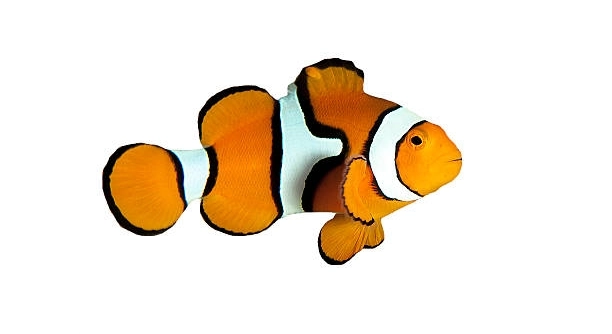
Many clownfish owners enjoy watching their colorful pets thrive in home aquariums. Feeding these fish properly is a key part of keeping them healthy and happy. However, overfeeding can cause more harm than good, even when done with good intentions.
Overfeeding clownfish leads to poor water quality, increased waste, and health problems such as obesity and digestive issues. Excess food can decay quickly, harming the tank environment and stressing the fish, which may result in disease and reduced lifespan.
Avoiding overfeeding helps maintain a cleaner tank and keeps your clownfish healthier. Knowing the right balance will improve both their well-being and the aquarium’s overall condition.
The Impact on Water Quality
Overfeeding clownfish often means leftover food sinks to the bottom of the tank. This uneaten food breaks down and releases harmful substances like ammonia and nitrites into the water. These chemicals are toxic to fish and can cause stress, illness, and even death. Maintaining good water quality is crucial for your clownfish’s health, so controlling how much food you add is important. Regular water testing and partial water changes can help, but preventing excess food is the easiest way to keep the tank clean. Overfeeding also encourages the growth of algae, which can cloud the water and compete with beneficial bacteria. When the balance of bacteria is disrupted, it affects the nitrogen cycle, a key process that keeps the tank safe for fish. Keeping feedings small and consistent helps maintain a stable and healthy environment for your clownfish to thrive.
Leftover food can cause water pollution and encourage harmful algae growth, threatening your clownfish’s health.
Managing feed amounts carefully preserves water clarity and prevents toxins, making your aquarium a safer home for your fish.
Health Risks from Overfeeding
Overfeeding can cause your clownfish to develop obesity, which weakens their immune system and makes them more vulnerable to disease. Just like people, fish need balanced nutrition and proper portion sizes to stay fit. Too much food can also cause digestive problems, like bloating or constipation, which lead to discomfort and difficulty swimming. These health issues reduce the lifespan and quality of life of your clownfish. Overfeeding encourages rapid growth, which stresses their internal organs. Many fish owners don’t realize that feeding smaller amounts more frequently is better than large portions once a day. This approach mimics their natural eating habits and keeps their metabolism steady. Also, uneaten food left in the tank can breed harmful bacteria and parasites, further risking your fish’s health. By feeding in moderation and observing your clownfish’s behavior, you can prevent these problems and support their overall well-being.
Increased Maintenance Effort
Overfeeding means you have to clean the tank more often. Leftover food causes filters to clog and water to get dirty quickly. This adds more work to your routine and can be frustrating over time.
Frequent cleaning is necessary to keep water safe, but it can stress both you and your clownfish. Filters clogged by excess food waste don’t work properly, which worsens water quality and forces more frequent water changes. If the tank becomes too dirty, your fish may suffer from infections or parasites. Managing feeding carefully reduces how often you must clean and helps maintain a healthier environment with less effort. Keeping feedings small is a simple way to avoid these extra chores and keep your aquarium balanced without too much work.
By preventing overfeeding, you also protect the tank’s equipment and save money on replacement parts. Less waste means the filter lasts longer and your clownfish stay in a cleaner home.
Negative Effects on Tank Ecosystem
Overfeeding disrupts the natural balance of your aquarium. Excess food causes an increase in bacteria and algae growth, which can harm plants and other tank inhabitants. This imbalance reduces oxygen levels and affects water quality.
When algae blooms, it competes with beneficial organisms for nutrients and light, causing some species to suffer or die off. The rise in bacteria from decaying food also uses oxygen, which your clownfish and other tank animals need to breathe. This lowers oxygen availability and stresses all creatures in the tank. An unstable ecosystem can lead to frequent disease outbreaks and loss of plant life, weakening the entire aquarium. Keeping feeding amounts controlled helps maintain a stable and healthy community for all species sharing the tank with your clownfish.
Waste Build-Up in the Tank
Overfeeding creates excess waste, which settles at the bottom and pollutes the water. This build-up causes an unhealthy environment for your clownfish.
The more waste in the tank, the harder it is to keep water clean. It also forces you to perform more frequent water changes to maintain safe conditions.
Increased Risk of Disease
Overfeeding weakens your clownfish’s immune system, making them more prone to infections and illnesses. Poor water quality caused by leftover food also promotes the growth of harmful bacteria and parasites. Keeping feeding amounts moderate helps reduce these risks and supports healthier fish.
Cost of Overfeeding
Excess food means more money spent on food that your fish don’t even eat. It also leads to higher maintenance costs due to frequent water changes and equipment wear.
FAQ
How often should I feed my clownfish?
Feeding your clownfish once or twice a day is usually enough. Give them only as much food as they can eat in about two minutes. Smaller, more frequent feedings mimic their natural behavior and help avoid overfeeding problems.
What types of food are best for clownfish?
Clownfish do well with a mix of high-quality flakes, pellets, and frozen or live foods like brine shrimp or mysis shrimp. Variety ensures they get all the nutrients they need without overeating any one type of food.
How do I know if I’m overfeeding my clownfish?
If you notice leftover food sinking to the tank bottom after feeding or cloudy water, these are signs of overfeeding. Also, if your clownfish seem sluggish or bloated, it might be related to too much food.
Can overfeeding kill clownfish?
Yes, overfeeding can lead to serious health issues like poor water quality, obesity, and disease, which can ultimately cause death. Maintaining proper feeding habits is crucial for their survival.
What happens to uneaten food in the aquarium?
Uneaten food decomposes and releases harmful chemicals like ammonia into the water. This stresses the fish and can lead to dangerous tank conditions if not cleaned up quickly.
How can I reduce the risk of overfeeding?
Measure the food carefully before feeding and offer only what the clownfish can consume in a few minutes. Use feeding tools like small spoons or pipettes to control portion size.
Is it better to feed small amounts multiple times or one large feeding?
Feeding small amounts two or three times a day is better. This prevents overeating and keeps fish metabolism steady, improving their overall health.
How do I clean up leftover food?
Use a siphon or turkey baster to remove uneaten food after feeding. Regular tank maintenance, including gravel vacuuming and water changes, helps keep the environment clean.
What signs indicate my clownfish are healthy?
Healthy clownfish are active, swim steadily, have clear eyes, and maintain bright colors. Their appetite should be consistent but not excessive.
Can overfeeding affect other tank inhabitants?
Yes, leftover food and poor water quality can harm other fish, corals, and plants in the tank. Balanced feeding benefits the entire aquarium ecosystem.
How much food is too much?
Too much food is anything your fish cannot finish within two to three minutes. Overfeeding leads to waste and water quality problems, so it’s important to feed moderate portions.
What should I do if I accidentally overfeed?
Perform a partial water change as soon as possible to reduce toxins. Remove leftover food and monitor your fish closely for any signs of distress or illness.
Can feeding frequency affect clownfish growth?
Yes, proper feeding frequency supports steady and healthy growth. Overfeeding can cause rapid, unhealthy growth, while underfeeding slows development.
Is live food better than flakes or pellets?
Live food provides enrichment and can be more nutritious, but it shouldn’t replace balanced flakes or pellets. A combination is best for clownfish nutrition.
How long can clownfish survive without food?
Clownfish can survive a few days without food, but regular feeding is necessary for their health and energy. Avoid skipping feedings often.
Does overfeeding cause behavioral changes?
Yes, overfed clownfish may become lethargic or hide more. They can also become aggressive if stressed by poor water conditions caused by excess food.
Are all clownfish species fed the same way?
Feeding needs vary slightly by species, but the general rule of moderate portions and balanced diet applies to all clownfish.
Can I feed my clownfish human food?
No, human food is not suitable for clownfish and can harm their health. Stick to foods designed for marine fish.
How do I transition my clownfish to a new diet?
Introduce new foods gradually by mixing them with their current diet. This helps prevent digestive upset and encourages acceptance.
What tools help with proper feeding?
Use measuring spoons, pipettes, or feeding rings to control food amounts and prevent waste.
How important is water testing with feeding?
Regular water testing helps track ammonia, nitrite, and nitrate levels, which can spike due to overfeeding. It ensures the tank stays safe for your fish.
Can overfeeding affect breeding?
Yes, poor health from overfeeding can reduce breeding success. Balanced nutrition supports reproductive health in clownfish.
What role does filtration play with feeding?
Good filtration helps remove waste from leftover food, but it can’t fix constant overfeeding. Proper feeding limits are still necessary.
How to handle feeding when going on vacation?
Use automatic feeders or ask someone to feed small amounts daily. Avoid leaving large amounts of food that can pollute the tank.
Is fasting beneficial for clownfish?
Occasionally skipping a feeding can help their digestion and prevent overfeeding effects. A one-day fast per week is sometimes recommended.
What is the best way to train clownfish to eat on schedule?
Feed at the same times daily to establish a routine. Clownfish quickly learn when to expect food and stay healthier with regular feeding.
Overfeeding your clownfish may seem like a harmless way to show care, but it can cause several problems for both the fish and the aquarium. Giving too much food leads to leftover scraps that pollute the water. This pollution stresses the fish and can cause health issues like obesity, digestive problems, and a weaker immune system. Keeping feedings moderate and controlled helps avoid these negative effects. It is important to pay attention to how much your clownfish eat and to only provide what they can finish in a few minutes. This simple practice supports their health and keeps the tank cleaner.
Maintaining good water quality is one of the biggest reasons to avoid overfeeding. Uneaten food breaks down and releases harmful chemicals that can build up quickly in a small aquarium. These chemicals can damage the delicate balance of the tank ecosystem and make your clownfish more vulnerable to disease. Regular water changes and proper filtration help, but the best solution is to prevent excess food from entering the water. Feeding your clownfish small, frequent meals instead of large amounts once a day can reduce waste and keep the environment safer for all the animals and plants in the tank.
Lastly, overfeeding adds more work to your aquarium care routine. You may need to clean filters more often, do more frequent water changes, and deal with algae blooms caused by excess nutrients. This extra maintenance can be tiring and may reduce your enjoyment of keeping clownfish as pets. By feeding the right amount, you save time and effort while promoting a healthy tank. Remember, feeding your clownfish well does not mean giving them more food, but rather feeding them the right portions. This balance will help your clownfish live longer and healthier lives in a cleaner, more stable aquarium.

Hello,
If you enjoy the content that we create, please consider saying a "Thank You!" by leaving a tip.
Every little bit helps us continue crafting quality advice that supports the health, happiness, and well-being of pets around the world, for pets of all shapes, sizes, and species.
We really appreciate the kindness and support that you show us!