
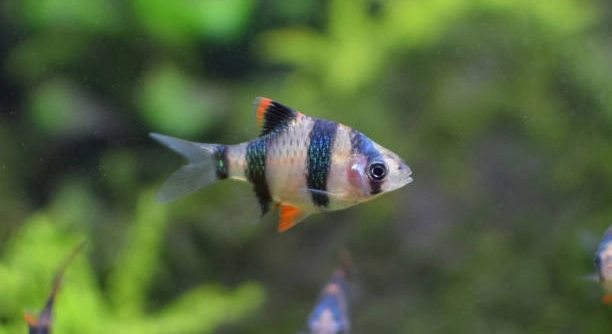
Overdecorating a fish tank can seem like a fun way to create a lively environment. Many enjoy adding plants, rocks, and ornaments to make their aquarium visually appealing and interesting to watch every day.
Excessive decoration in a tank can reduce swimming space, trap debris, and disrupt natural water flow. These factors negatively affect fish health and water quality, making it essential to maintain a balanced and minimalistic approach when decorating an aquarium.
Keeping decorations simple supports a healthier and more manageable tank. The right balance will ensure fish have room to thrive while still enjoying an attractive home.
Limited Swimming Space
Fish need enough room to swim freely for their physical health and mental well-being. Overdecorating a tank often reduces the open water area, which can stress the fish. When fish feel cramped, they may become less active or show signs of aggression toward each other. Decorations like too many plants, rocks, or ornaments can block important swimming paths. This confinement may also limit natural behaviors such as schooling or exploring. Ensuring an adequate amount of open space is key to maintaining a healthy aquarium environment. It’s important to arrange decorations thoughtfully to avoid overcrowding.
In addition to space, consider how decorations affect water circulation. Proper water flow helps distribute oxygen and nutrients evenly throughout the tank. Obstructions can create stagnant areas where waste and debris accumulate, which harms water quality.
Balancing decorations with sufficient swimming space helps fish thrive physically and mentally. Fish will show more natural behaviors and experience less stress when they have room to move freely. Keeping this balance makes aquarium maintenance easier and more rewarding.
Waste Accumulation in Decorations
Overdecorating can trap uneaten food, fish waste, and other debris.
When decorations are too dense or have small crevices, debris can settle and decay, leading to poor water quality. Waste buildup increases harmful ammonia and nitrite levels, which can be toxic to fish. It also encourages unwanted algae growth and bacteria, further stressing the aquarium environment. Regular cleaning becomes more difficult when decorations are overly complex. This can result in overlooked spots where contaminants grow unnoticed. Choosing fewer, larger decorations with smooth surfaces reduces waste traps and improves maintenance. Regular water testing and cleaning routines help keep the tank safe. Selecting practical decorations supports a cleaner and healthier habitat for aquatic life.
Keeping the tank cleaner reduces the chances of disease and improves fish longevity. A simpler layout makes it easier to spot problems early and maintain balance in the tank’s ecosystem.
Stress from Overcrowding
Too many decorations can create hiding spots, but excessive clutter may increase stress for fish.
Fish often need clear areas to feel safe and to observe their surroundings. Overcrowded tanks limit visibility and can cause fish to feel trapped or vulnerable. Stress weakens their immune systems, making them more prone to illness.
Stress can also change fish behavior, causing aggression or withdrawal. Maintaining a balance between hiding spots and open space is vital. Minimal decoration allows fish to swim comfortably while still offering places to retreat when needed.
Difficulty in Cleaning
Dense decorations complicate regular cleaning and maintenance tasks.
Cleaning around numerous objects takes more time and effort, as debris and algae build up in hard-to-reach places. Overdecorated tanks often require frequent, detailed cleaning to maintain water quality. Neglecting these areas risks harmful bacteria and toxins accumulating, impacting fish health. Removing and replacing decorations for cleaning can also disturb fish and their environment. Simplifying the tank setup reduces cleaning stress for both the caretaker and the fish.
Choosing decorations that are easy to move and clean helps keep the tank healthier and reduces maintenance time. A simpler tank setup encourages a more consistent cleaning routine and better water conditions.
Reduced Oxygen Levels
Overdecorating can limit water circulation, reducing oxygen distribution in the tank. Poor flow may cause low oxygen areas, stressing fish and affecting their health.
Plants and decorations should be arranged to allow water to move freely. Proper circulation supports oxygen exchange, benefiting all aquatic life.
Impact on Filtration
Too many decorations can block filter intake and reduce filtration efficiency. Filters work best when water flows unobstructed, removing waste and toxins effectively.
Clogged or slowed filtration can cause water quality to drop rapidly, risking fish health. Ensuring decorations don’t interfere with the filter’s function is essential for a balanced aquarium.
Fish Injury Risk
Sharp or rough decorations increase the chance of fish getting injured.
Avoid objects with jagged edges or brittle materials that can harm delicate fins or scales. Safe, smooth decorations protect fish and create a more secure environment.
FAQ
Why is overdecorating harmful to fish?
Overdecorating can restrict swimming space and create hiding spots that cause stress or aggression. It can also trap waste and block water flow, lowering oxygen levels. These conditions make fish more vulnerable to disease and reduce their overall health. Keeping decorations minimal helps maintain a stable and safe environment for fish to thrive.
How many decorations are too many?
There is no exact number, but the tank should have enough open water for fish to swim freely and enough hiding places for them to feel secure. A good rule is to use decorations sparingly, focusing on larger pieces rather than many small ones. This balance keeps the tank functional and visually appealing without overcrowding.
Can decorations affect water quality?
Yes, dense or porous decorations can trap uneaten food, fish waste, and algae. This buildup decomposes and releases harmful chemicals like ammonia and nitrites into the water. These toxins can quickly harm fish and disrupt the tank’s ecosystem. Simple, easy-to-clean decorations reduce this risk and help keep water conditions stable.
What types of decorations are safest for fish?
Choose decorations made from non-toxic materials with smooth surfaces. Avoid sharp or brittle objects that can injure fish. Natural elements like smooth stones or live plants are often safer. Always rinse new decorations before adding them to the tank to remove dust or chemicals.
How often should decorations be cleaned?
Decorations should be cleaned regularly to prevent algae and waste buildup. This usually means once every two weeks or monthly, depending on tank conditions. Use warm water and a soft brush; avoid soaps or chemicals. Frequent cleaning helps maintain water quality and reduces stress on fish.
Can decorations cause aggression among fish?
Yes, too many hiding spots or cramped spaces can lead to territorial disputes and aggression. Some fish become more defensive when they feel confined or cannot see other tank mates clearly. Providing open swimming areas with a few hiding places helps reduce tension and promotes peaceful behavior.
Is live planting better than artificial decorations?
Live plants offer benefits like oxygen production and natural filtration. They also provide hiding spots and contribute to the tank’s health. Artificial decorations, while easier to maintain, do not support the ecosystem in the same way. A mix of both can be ideal, but live plants should be chosen carefully for compatibility with fish.
What are signs that my tank is overdecorated?
Fish showing signs of stress like hiding constantly, aggression, or reduced activity can indicate overcrowding. Difficulty cleaning the tank, poor water flow, and visible waste buildup around decorations are also signs. If fish don’t have room to swim freely, it’s time to remove some decorations.
How can I balance aesthetics with fish health?
Focus on fewer, larger decorations that enhance the tank’s look without overcrowding. Use natural colors and textures to create a pleasing environment. Prioritize fish needs by leaving open swimming space and easy access to filter intakes. This approach keeps the tank attractive and healthy.
Are there decorations to avoid completely?
Avoid decorations made of painted or coated materials that may leach toxins. Also, steer clear of sharp, brittle, or overly porous items that can trap waste or injure fish. Plastic plants of low quality and decorations not designed for aquarium use can cause problems. Always research or ask before adding new items.
Keeping a fish tank decorated can make it more enjoyable to look at and can provide a stimulating environment for the fish. However, overdecorating the tank often creates more problems than benefits. When the tank is filled with too many plants, rocks, and ornaments, it limits the space fish need to swim and explore naturally. Fish require open areas to move freely for their health and comfort. Crowded tanks can cause fish to feel stressed or trapped, which affects their behavior and well-being. It is important to find a balance between adding beauty to the tank and ensuring that fish have enough room to thrive.
Another important consideration is how decorations affect water quality and tank maintenance. Overdecorated tanks often trap waste, uneaten food, and debris in small crevices or behind objects. This buildup can quickly harm water quality by increasing toxins such as ammonia and nitrites. It also encourages algae growth and bacteria that can cause diseases in fish. Regular cleaning becomes more difficult with many decorations in the way. Keeping decorations simple and choosing items that are easy to clean can greatly improve the tank’s overall health. A well-maintained tank supports happier, healthier fish and a more pleasant experience for the owner.
Ultimately, less is often more when it comes to decorating a fish tank. Thoughtfully placing a few key decorations, rather than overcrowding the space, ensures better water circulation, easier cleaning, and less stress for fish. Safe, smooth decorations provide shelter without risking injury. Keeping these points in mind helps maintain a balanced environment where fish can live comfortably and look their best. By focusing on the needs of the fish first and then adding decorations carefully, the tank becomes a sustainable and beautiful habitat. This approach benefits both the aquatic life and those who enjoy caring for them.

Hello,
If you enjoy the content that we create, please consider saying a "Thank You!" by leaving a tip.
Every little bit helps us continue crafting quality advice that supports the health, happiness, and well-being of pets around the world, for pets of all shapes, sizes, and species.
We really appreciate the kindness and support that you show us!