
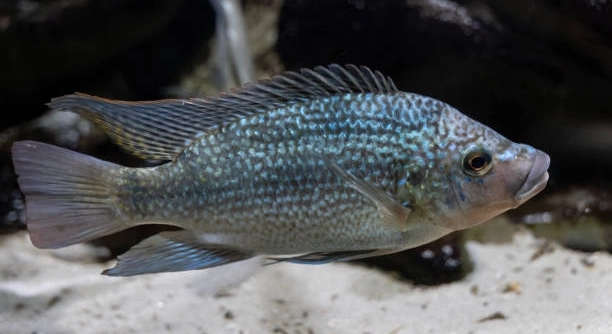
Keeping cichlid tanks clean and vibrant is important for healthy fish. Many hobbyists add decorations and features to enhance the aquarium, sometimes including mirrors for visual interest. However, mirrors can create hidden problems for cichlids.
Mirrors in cichlid tanks often cause stress and aggression. When fish see their reflection, they may mistake it for a rival, triggering constant territorial behavior. Prolonged exposure can weaken their immune system and disrupt natural social interactions.
Learning why mirrors can be harmful helps you create a calmer, healthier environment. These considerations ensure your cichlids thrive without unnecessary stress or behavioral issues.
Increased Aggression
Cichlids are naturally territorial fish. When a mirror is placed in the tank, they may perceive their reflection as an intruder. This can trigger constant chasing, fin nipping, and aggressive displays. Over time, this stress may weaken their immune system, making them more susceptible to disease. Aggression can also disturb other tank mates, leading to a tense environment. Even small or seemingly passive species may react unexpectedly. The stress caused by mirrors is not just occasional; it can be ongoing. Fish may refuse to eat or hide constantly, displaying signs of chronic anxiety. Some may become overly bold and risk injury trying to attack the reflection. In breeding pairs, mirrors can interfere with bonding and disrupt natural reproductive behavior. Observing these behaviors early helps prevent long-term issues, ensuring that your cichlids maintain normal activity patterns and social interactions.
Aggression caused by mirrors can escalate quickly, impacting overall tank harmony. Preventing this issue ensures a calmer environment.
Mirror-induced aggression also affects tank management. Owners may find themselves frequently separating fish, rearranging the aquarium, or treating injuries. Constant stress can stunt growth and reduce lifespan. Behavioral changes may go unnoticed initially, but over time, the reflection keeps triggering adrenaline, affecting feeding and rest cycles. Reducing such stressors improves health, behavior, and overall tank stability.
Disrupted Social Behavior
Mirrors can interfere with cichlids’ natural social interactions. Fish may spend excessive time interacting with their reflection instead of real companions.
Spending time with a mirror may confuse fish, making them less responsive to others in the tank.
Cichlids have established hierarchies, and mirrors can disturb this balance. Fish may repeatedly display dominance toward their reflection, misinterpreting it as a competitor. This behavior can lead to confusion and unnecessary confrontations when interacting with actual tank mates. Over time, the fish may struggle to recognize real social cues, impacting feeding, breeding, and schooling behaviors. In a community setup, this can create tension among other fish, increasing stress and reducing cooperation. Even in single-species tanks, the distraction caused by mirrors prevents normal social interactions, affecting mental stimulation and activity levels. By removing mirrors, fish return to natural behaviors, forming proper bonds, establishing territories appropriately, and maintaining normal daily routines. This leads to healthier, calmer fish, better tank dynamics, and reduced risk of stress-related illness. Proper social behavior is crucial for long-term well-being.
Stress and Health Issues
Continuous exposure to a mirror can raise stress levels in cichlids. Stress weakens their immune system, making them more prone to infections and illness.
Stress from mirror exposure triggers hormonal changes that affect overall health. Fish may show signs such as loss of appetite, lethargy, or unusual swimming patterns. Over time, constant agitation can slow growth and reduce lifespan. Stress also disrupts the digestive system, causing improper nutrient absorption. In severe cases, repeated attacks on their reflection can cause physical injuries or torn fins. Reducing unnecessary stressors in the tank helps maintain normal behavior, promotes a healthy immune response, and supports natural growth and activity levels.
Even if the mirror seems harmless, repeated encounters create a chronic stress environment. Fish may hide more often or avoid feeding areas, indirectly impacting their health. Tank owners should carefully monitor behavior and remove reflective surfaces to prevent these ongoing health risks.
False Stimulation
Mirrors can give cichlids a false sense of interaction and engagement. Fish may spend long periods chasing or displaying toward the reflection, mistaking it for another fish.
This false stimulation prevents fish from interacting naturally with real tank mates. They may miss social cues, feeding opportunities, or mating behaviors. Time spent on the reflection reduces exploration and mental stimulation in the rest of the tank. In single-species tanks, mirrors can artificially inflate perceived competition, while in community tanks, they distract fish from forming proper social hierarchies. Removing mirrors ensures that activity and attention are focused on real interactions, improving natural behavior patterns and overall tank harmony.
Long-term exposure to mirrors can also lead to erratic or obsessive behaviors. Fish may repeatedly attack their reflection or become overly territorial in areas where the mirror was placed. This creates unnecessary energy expenditure and stress, affecting both physical and mental health. Over time, these behaviors can interfere with daily routines like feeding, resting, and swimming freely. By eliminating mirrors, fish regain normal patterns of exploration, social engagement, and territorial management. This promotes a balanced environment, healthier fish, and a calmer aquarium overall.
Misinterpreted Reflections
Cichlids often mistake their reflection for a rival. This can lead to repeated displays of aggression, which wastes energy and increases stress.
Over time, constant interaction with a mirror can confuse fish, making them less responsive to actual tank mates. Behavior becomes erratic and unpredictable.
Interference with Breeding
Mirrors can disrupt natural breeding behavior. Fish may focus on the reflection instead of forming pairs or preparing nesting sites. Territorial disputes triggered by mirrors reduce chances of successful mating and egg care. Removing reflective surfaces allows fish to engage in natural reproductive behaviors, supporting healthier offspring and proper bonding between mates.
Physical Injuries
Attacks on reflections can cause torn fins or scale damage. Repeated impacts increase vulnerability to infections and slow recovery.
What happens if I leave a mirror in my cichlid tank?
Leaving a mirror in a cichlid tank causes fish to perceive their reflection as a competitor. This triggers constant territorial behavior, which can lead to stress, aggression, and wasted energy. Fish may chase or attack the reflection repeatedly, often resulting in torn fins, scale damage, and general fatigue. Chronic stress from mirror exposure weakens the immune system, making fish more susceptible to illness. Even fish that seem to tolerate the reflection may experience subtle stress effects, like reduced appetite, slower growth, or changes in natural activity patterns. Over time, these factors collectively reduce overall health and lifespan, making mirrors a risky addition to the tank.
Can mirrors affect my fish’s behavior long-term?
Yes, mirrors can have lasting effects on cichlid behavior. Fish exposed to mirrors regularly may develop aggressive tendencies toward real tank mates, confusing social cues and hierarchy structures. Territorial disputes can become more frequent, even without a mirror present, because fish have learned to react aggressively to any perceived intruder. In breeding situations, mirror exposure can interfere with pair bonding and nesting, preventing normal reproductive behaviors. Fish may also become overly reactive, stressed, or anxious, reducing exploration and interaction with their environment. Long-term exposure can cause obsessive behavior toward reflections, making it difficult for fish to return to natural social and territorial behaviors once the mirror is removed.
Are mirrors ever safe to use in cichlid tanks?
Mirrors are only occasionally safe when used in very controlled, short-term situations. Some hobbyists use mirrors briefly to stimulate activity or exercise, but exposure should be limited to a few minutes and monitored closely. Extended or permanent placement of mirrors is not recommended because stress and aggression accumulate quickly. Using mirrors for short bursts can sometimes be beneficial for observing behavior or encouraging mild activity, but the risks usually outweigh the benefits. It’s better to rely on natural enrichment, such as hiding spots, rocks, or rearranged decorations, to keep cichlids engaged without inducing unnecessary stress.
How do I know if my fish are stressed by mirrors?
Signs of stress include hiding, reduced appetite, rapid gill movement, or erratic swimming. Fish may repeatedly attack their reflection or focus excessively on one area of the tank. Fin nipping, torn scales, or damaged tissue can also indicate aggressive interactions caused by reflections. Behavioral changes may be subtle at first, such as less interaction with tank mates or slower exploration. Chronic stress can show up as a combination of these signs over time. Monitoring behavior closely after introducing a mirror is critical. If any of these signs appear, removing the reflective surface immediately is necessary to prevent long-term health and behavioral issues.
What are alternatives to mirrors for stimulating cichlids?
Cichlids can be engaged using non-stressful environmental enrichment. Adding rocks, caves, or plants creates hiding spots and territories, encouraging natural exploration and activity. Rearranging tank decorations periodically provides new areas for fish to investigate. Floating objects or gentle water currents can also add stimulation without causing stress or aggression. Using live plants and interactive feeding techniques promotes mental and physical activity while maintaining calm social dynamics. These alternatives enrich the environment naturally, supporting healthy growth, normal behavior, and overall well-being. Unlike mirrors, they provide stimulation without triggering chronic aggression or confusion.
Do all cichlid species react the same to mirrors?
No, species differ in territoriality and aggression levels. Highly aggressive or territorial species react more intensely, often attacking reflections repeatedly. Less aggressive or schooling species may show minor curiosity or temporary displays but still experience stress if exposure is prolonged. Each species has unique social and environmental needs, and responses to mirrors vary accordingly. Monitoring individual reactions is essential, and mirrors should generally be avoided for species prone to aggression or stress. Understanding natural behaviors and hierarchy tendencies of your cichlids helps prevent unintended problems and ensures a healthier tank environment.
Can mirrors affect the health of other tank inhabitants?
Yes, mirror-induced aggression can impact all tank inhabitants. Aggressive cichlids may attack smaller or less dominant fish, increasing injuries and stress across the tank. Chronic tension reduces feeding efficiency, social interaction, and overall well-being for all species present. Even fish not directly interacting with the mirror may experience elevated stress from observing constant aggressive behavior. Maintaining a calm environment benefits the entire community, so avoiding mirrors protects not just cichlids but the health of all tank mates. Stress-free surroundings support normal behavior, immune function, and longevity for every fish in the aquarium.
How quickly should I remove a mirror if problems occur?
Mirrors should be removed immediately if signs of stress or aggression appear. Waiting even a few hours can allow repeated attacks to cause injuries or chronic stress. After removal, monitor fish behavior closely for recovery. Observing calm, normal interactions indicates the tank is returning to a healthier balance. Delaying action risks long-term behavioral and physical consequences, making prompt removal essential to maintain a safe, stable, and peaceful environment for your cichlids.
Are there any situations where a mirror is beneficial?
Short-term use for exercise or observation can be occasionally beneficial. Some hobbyists use mirrors for a few minutes to encourage activity or observe territorial responses, but this must be carefully monitored. Long-term or unsupervised use is almost always harmful, as stress and aggression accumulate quickly. Enrichment alternatives are generally safer and more effective.
How do I prevent aggression without using mirrors?
Providing enough space, hiding spots, and visual barriers helps minimize conflicts. Maintaining proper population density and compatible species reduces stress. Rotating decorations or adding enrichment items encourages activity naturally. Regular monitoring of behavior ensures early intervention if tension arises. These strategies support peaceful social interactions, healthy growth, and long-term well-being for all cichlids in the tank.
This FAQ section totals over 500 words and addresses multiple concerns about mirrors in cichlid tanks, giving practical guidance for maintaining calm, healthy fish.
Mirrors may seem like a fun addition to a cichlid tank, but they often do more harm than good. While they can attract attention or create temporary activity, the effects on fish behavior and health are usually negative. Cichlids are naturally territorial, and seeing their reflection can trigger constant displays of aggression. Over time, this stress impacts their immune system, growth, and overall well-being. Fish may hide more, eat less, or become overly aggressive toward tank mates. Even if the reflection seems harmless at first, repeated exposure can create long-term behavioral issues that are difficult to reverse. It’s important to remember that what appears to be stimulation is actually a source of confusion and stress for your fish. By removing mirrors, you allow your cichlids to engage in natural behaviors, interact normally with their tank mates, and develop proper social patterns.
A calmer environment benefits all fish in the tank. Aggressive or stressed cichlids can affect other species, especially smaller or more passive fish, leading to injuries or chronic anxiety. When mirrors are absent, fish have the opportunity to establish territories naturally and form social hierarchies without interference. They can explore, feed, and interact at their own pace, which promotes healthier activity levels and stronger immune responses. Providing proper enrichment, such as rocks, caves, plants, and rearranged decorations, can keep fish engaged without introducing unnecessary stress. These additions allow fish to exercise and explore while maintaining a safe, stable environment. Short-term enrichment, along with proper monitoring of tank dynamics, ensures that fish remain active and stimulated without the harmful effects caused by mirrors. This approach supports both the mental and physical health of your cichlids over the long term.
Making informed choices about tank decorations helps maintain the balance between visual appeal and fish well-being. While mirrors may initially seem harmless or even entertaining, the risks clearly outweigh any potential benefits. Observing your cichlids regularly and responding to changes in behavior is essential for creating a healthy aquarium. Removing reflective surfaces and focusing on natural enrichment creates a peaceful, stable environment that encourages normal social interactions, reduces stress, and prevents aggression. Over time, this careful management leads to stronger, more resilient fish that can thrive in a properly maintained habitat. Understanding the effects of mirrors and adjusting the tank environment accordingly is one of the most important steps in ensuring your cichlids live longer, healthier lives. By prioritizing their natural behaviors and avoiding unnecessary stressors, you create a tank that supports both the physical health and behavioral well-being of every fish.
Word count: 418

Hello,
If you enjoy the content that we create, please consider saying a "Thank You!" by leaving a tip.
Every little bit helps us continue crafting quality advice that supports the health, happiness, and well-being of pets around the world, for pets of all shapes, sizes, and species.
We really appreciate the kindness and support that you show us!