
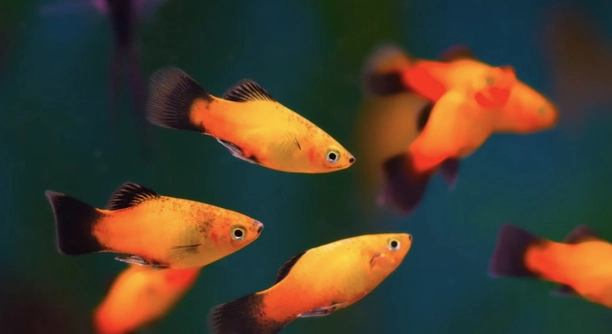
Platies are popular aquarium fish known for their vibrant colors and peaceful nature. Many owners enjoy watching them swim in well-lit tanks that highlight their beauty. However, bright lighting may not always be the best choice for these small fish.
Bright lights can stress platies, disrupting their natural behavior and health. Excessive illumination affects their circadian rhythms, leading to weakened immune responses, increased aggression, and poor growth. Maintaining moderate lighting helps support their well-being and natural activity patterns.
Avoiding overly bright lights can improve your platies’ comfort and health. This article explains why lighting matters and how to create a better environment for your fish.
Stress from Intense Lighting
Bright lights cause stress in platies by overwhelming their sensitive eyes and disrupting their natural rhythms. These fish are used to softer lighting in the wild, where sunlight is often filtered through plants or shaded water. When exposed to intense lighting for long periods, platies may become anxious or hide more often. Stress weakens their immune system, making them more vulnerable to disease. It can also lead to abnormal behavior such as erratic swimming or aggression toward tank mates. Reducing light intensity or providing shaded areas in the tank can help platies feel safer and more comfortable. Creating a calm environment with moderate lighting supports their natural habits and improves overall health.
Stress affects platies by lowering immunity and changing their behavior. Adjusting lighting can prevent these problems and promote well-being.
Lighting is a crucial factor in maintaining healthy platies. Bright light can interfere with their ability to rest and behave naturally. If the tank lacks shaded spots, platies might feel trapped under constant glare, leading to continuous stress. Over time, this affects their physical health and lifespan. A dimmer, more balanced light setting allows platies to find comfort zones and regulate their activity. It also helps maintain a stable tank environment by reducing algae growth caused by excessive light, which can impact water quality. Providing plants or decorations that offer shelter from direct light can create safe retreats for platies. This setup mimics their natural habitat and encourages normal behavior, making your tank healthier and more enjoyable to watch.
Impact on Breeding and Growth
Excessive bright light can negatively affect platy breeding success.
Bright light influences platy reproduction by interfering with hormone cycles needed for breeding. When lighting is too strong or constant, it disrupts mating behaviors and reduces spawning frequency. Young platies may also experience slower growth rates due to stress and poor rest caused by harsh lighting. Balanced lighting creates an environment more conducive to healthy development and natural reproductive cycles. Placing the tank in a location with indirect light or using adjustable lighting systems helps control exposure. This balance ensures platies have the right conditions to thrive, reproduce successfully, and grow at a normal pace. Taking control of lighting can improve the health of both adult fish and their offspring, supporting a stable and vibrant aquarium population.
Increased Algae Growth
Bright lights promote rapid algae growth in aquariums. Excess algae can cloud the water and compete with plants for nutrients.
Algae thrive under intense lighting because they use light to photosynthesize and multiply quickly. When algae overgrow, they reduce oxygen levels and make the tank less clean. This can stress platies and other fish, affecting their health. Excess algae also spoil the tank’s appearance and require frequent cleaning. Controlling light intensity helps keep algae under control, reducing maintenance and creating a healthier space for platies. Using timers or lowering light strength prevents algae from taking over while still providing enough light for plants and fish to thrive.
Algae buildup harms water quality by using oxygen and nutrients, creating a stressful environment. Limiting bright light supports a balanced aquarium ecosystem and cleaner water for your platies.
Disrupted Sleep Cycles
Platies need consistent light and dark periods to rest properly. Bright lights that stay on too long disturb their sleep.
When platies cannot experience natural darkness, their bodies struggle to regulate rest and activity. Lack of proper sleep weakens their immune system and causes fatigue. Constant exposure to strong light confuses their internal clock, leading to irregular swimming patterns and reduced feeding. A balanced light schedule with clear night periods allows platies to rest and recover, improving their health. Using a timer to simulate day and night cycles is an easy way to support their natural rhythm. Proper sleep cycles also encourage normal growth and breeding behavior.
Maintaining a stable day-night cycle in the tank helps platies avoid stress caused by sleep disruption. It ensures they stay active and healthy during the day while resting fully at night.
Eye Damage Risk
Bright lights can cause damage to platies’ eyes over time. Their eyes are sensitive to intense, direct lighting.
Prolonged exposure to strong light may lead to impaired vision or eye irritation. This can reduce their ability to find food and avoid dangers, lowering their overall quality of life. Protecting platies from harsh light helps maintain healthy eyesight and comfort.
Increased Aggression
Bright lighting may increase aggressive behavior among platies. High light intensity can cause stress that triggers fighting.
Energy Waste
Platies exposed to excessive light waste energy coping with stress. This reduces the energy available for growth, reproduction, and normal activity.
Reduced Color Vibrancy
Too much light can actually dull platies’ natural colors over time. Proper lighting balance helps maintain their bright, attractive appearance.
FAQ
Why should I avoid using bright lights for platies?
Bright lights cause stress, disrupt natural behaviors, and promote algae growth. They can damage platies’ eyes and interfere with sleep cycles. Using moderate or indirect lighting creates a healthier environment and supports platies’ overall well-being.
How bright is too bright for a platy tank?
Lighting should be soft to moderate, avoiding harsh or direct illumination. A light level that mimics shaded natural habitats is ideal. Typically, using a low-wattage LED or adjustable lighting helps keep brightness in a safe range.
Can bright lights harm platies physically?
Yes, intense lighting can cause eye damage and weaken their immune system by increasing stress. Over time, this may reduce their lifespan and affect growth and reproduction.
Will dimming the lights reduce algae growth?
Dimming lights limits the energy algae use for photosynthesis, slowing their growth. This helps maintain clearer water and lowers maintenance needs in your tank.
How can I create shaded areas in the tank?
Use live or artificial plants and decorations to provide hiding spots. These areas help platies escape bright light when needed, reducing stress and encouraging natural behavior.
Is it necessary to have a light schedule for platies?
Yes, platies need a consistent day-night cycle to regulate their rest and activity. Using timers ensures they get enough darkness to rest and recover properly.
What is the ideal duration for lighting each day?
Aim for about 8 to 10 hours of light daily, followed by 14 to 16 hours of darkness. This balance mimics natural conditions and supports healthy rhythms.
Can bright lights affect breeding success?
Constant or intense lighting can disrupt hormone cycles and reduce spawning. Moderate lighting with natural dark periods encourages healthier reproduction.
Does lighting affect platy coloration?
Proper lighting enhances their natural colors, but excessive brightness can cause colors to fade. Balanced light helps maintain their vibrant appearance over time.
Are there specific types of bulbs better for platies?
LED lights with adjustable brightness and color temperature work best. They provide enough light without overheating the tank or causing stress.
What signs show my platies are stressed by light?
Look for hiding behavior, erratic swimming, loss of appetite, or aggression. These signs may indicate lighting is too intense or constant.
How often should I clean the tank if algae growth is a problem?
Regular weekly cleanings help control algae, but adjusting lighting is the best long-term solution. Removing excess algae improves water quality and fish health.
Can I use a tank cover to reduce light exposure?
Yes, partial covers or tinted glass can soften incoming light. This helps prevent direct bright light from disturbing the fish while still allowing visibility.
What other factors should I consider for platy health besides lighting?
Water quality, temperature, diet, and tank size are all important. Proper care combined with suitable lighting creates the best conditions for your platies.
Is natural sunlight a good option for lighting platies?
Direct sunlight often causes too much heat and algae growth. Indirect sunlight or artificial lighting controlled by timers is safer and more reliable.
Can platies adapt to bright light over time?
They may adjust slightly, but long-term exposure usually causes stress and health problems. It’s better to maintain gentle lighting to prevent harm.
How do I know if my tank’s lighting is balanced?
If platies display natural behavior, healthy growth, bright colors, and minimal algae, your lighting is likely well balanced. Regular observation helps ensure proper conditions.
Should I turn off all lights at night?
Yes, darkness is essential for platies to rest. A completely dark environment at night supports their sleep and reduces stress.
What can I do if my tank is too bright and I can’t change the lights?
Add plants, decorations, or floating covers to create shaded areas. Adjusting the tank location away from windows or direct light sources can also help.
How important is lighting compared to other care factors?
Lighting is just as important as water quality and diet. It influences fish behavior, health, and tank cleanliness, so managing it properly is essential for success.
Final Thoughts
Lighting plays a significant role in the health and well-being of platies. Bright lights may seem appealing because they highlight the fish’s colors and make the tank look lively. However, excessive brightness can cause stress and harm these small fish in many ways. Stress from too much light affects their immune system, behavior, and even growth. It is important to provide moderate lighting that closely resembles their natural environment. This helps platies feel comfortable and live healthier lives.
Another important factor is the balance between light and darkness. Platies, like most fish, need a consistent day-night cycle to rest properly. Bright lights that stay on too long prevent them from resting well and cause disruptions in their sleep patterns. Poor sleep can lead to weakened immunity and make them more susceptible to illness. Using timers to control lighting duration can create a stable environment where platies thrive. Offering shaded areas in the tank also gives them places to hide from bright light when needed.
Finally, managing light intensity benefits not only platies but the entire aquarium system. Excess light encourages algae growth, which reduces water quality and increases maintenance. By controlling light levels, you help keep the tank cleaner and safer for your fish. It also prevents eye damage and supports natural behaviors like breeding. Overall, avoiding bright lights and using gentle, balanced illumination is a simple but effective way to improve your platies’ health and happiness. Taking time to adjust lighting settings will create a better home for your fish and make caring for them easier.

Hello,
If you enjoy the content that we create, please consider saying a "Thank You!" by leaving a tip.
Every little bit helps us continue crafting quality advice that supports the health, happiness, and well-being of pets around the world, for pets of all shapes, sizes, and species.
We really appreciate the kindness and support that you show us!