
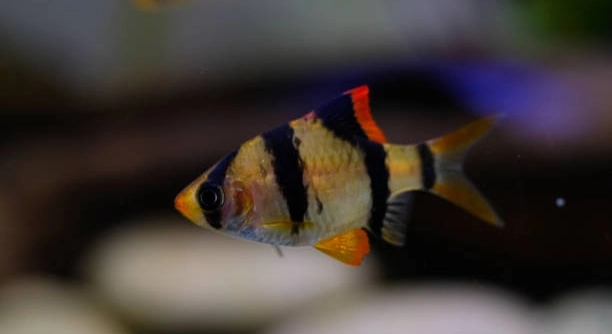
Tiger Barbs are popular aquarium fish known for their vibrant colors and lively behavior. Sometimes, these fish suddenly stop eating, which can worry their owners. Understanding why they refuse food can help keep them healthy and active.
Tiger Barbs may refuse to eat due to stress, illness, poor water quality, improper diet, changes in environment, bullying from tank mates, or inadequate feeding routines. Identifying the cause is crucial for effective intervention and fish well-being.
Recognizing these reasons will help you maintain a balanced environment and support your Tiger Barbs’ health and appetite over time.
Stress and Its Impact on Tiger Barbs
Stress is a common reason Tiger Barbs stop eating. Changes in their environment, such as moving to a new tank or sudden loud noises, can cause stress. Poor water conditions also contribute, making fish uncomfortable and less likely to eat. Stress weakens their immune system, increasing vulnerability to diseases. Overcrowding or aggressive tank mates add to their anxiety. Maintaining a calm, stable tank with proper hiding places reduces stress. Monitoring water parameters regularly helps keep conditions optimal. A stressed Tiger Barb may hide more and show dull colors. Reducing stress improves their appetite and overall health.
Stress can be managed by keeping a consistent environment and avoiding sudden changes. Proper tank maintenance is essential.
Addressing stress early prevents more serious health problems. Small adjustments, like rearranging the tank or adding plants, can make a significant difference. Ensuring compatible tank mates reduces bullying. Observing fish behavior helps detect stress signs quickly. A calm, clean environment encourages regular feeding and healthier Tiger Barbs.
Illness as a Reason for Refusing Food
Illness often causes loss of appetite in Tiger Barbs. Signs include lethargy, faded color, or unusual swimming patterns. Common illnesses like parasites or bacterial infections disrupt feeding habits. If illness is suspected, quarantine and treatment are necessary to prevent spreading. Regular observation and prompt action keep the fish healthier.
Proper diagnosis and treatment restore appetite and vitality.
Illness requires immediate attention to avoid worsening conditions. Quarantining sick fish protects others. Many infections respond well to medication when caught early. Maintaining clean water and good nutrition supports recovery. Some diseases affect the digestive system, causing refusal to eat. Consulting a veterinarian or experienced aquarist aids in correct treatment. Prevention through hygiene and care is the best approach to keep Tiger Barbs healthy and eating well.
Poor Water Quality
Poor water quality quickly affects Tiger Barbs’ health and appetite. High ammonia, nitrite, or nitrate levels cause discomfort, leading to refusal of food.
Maintaining clean water is essential. Regular water changes and monitoring with test kits prevent harmful buildup. Overfeeding and lack of filtration worsen water conditions. Stress from poor water quality can cause disease outbreaks. Proper filtration and avoiding overcrowding help keep water stable. A well-maintained tank encourages Tiger Barbs to eat regularly and remain active.
Testing water parameters weekly helps catch issues early. Removing uneaten food and waste reduces toxins. Clear water with stable parameters supports a healthy appetite and overall well-being in Tiger Barbs. Clean water is the foundation of a thriving aquarium.
Inadequate Diet
Tiger Barbs may refuse food if their diet lacks variety or proper nutrition. Feeding only one type of food can cause disinterest or deficiencies.
A balanced diet including flakes, pellets, frozen or live foods supports health and appetite. Mixing proteins and plant matter mimics natural feeding habits. Sudden diet changes can cause refusal, so transition gradually. Nutrient-rich foods promote growth, coloration, and immunity. Supplementing with occasional treats can stimulate interest. Avoid feeding human food or low-quality items. Proper portion sizes prevent overfeeding and water quality issues.
Offering varied, high-quality foods encourages regular eating and vitality. Knowing Tiger Barbs’ dietary needs helps maintain their health. Consistent, nutritious feeding routines reduce feeding problems and support long-term well-being.
Changes in Environment
Sudden changes in tank setup or water parameters can unsettle Tiger Barbs. This often causes them to stop eating until they adjust.
Moving fish to a new tank or rearranging decorations may trigger stress. Maintaining consistency helps them feel secure and more willing to eat.
Bullying from Tank Mates
Aggressive or territorial fish can intimidate Tiger Barbs, reducing their appetite. Stress from bullying leads to hiding and refusal to eat.
Providing enough space and compatible tank mates lowers aggression. Observing fish behavior allows timely intervention to protect Tiger Barbs’ well-being.
Inadequate Feeding Routines
Irregular feeding schedules confuse Tiger Barbs, which may skip meals. Consistency in timing and portion sizes supports healthy feeding habits.
Water Temperature
Water that is too cold or too warm affects Tiger Barbs’ metabolism and appetite. Keeping temperature stable within recommended range is important.
Why are my Tiger Barbs not eating despite a clean tank?
Even with a clean tank, Tiger Barbs might refuse food due to stress, illness, or sudden changes in their environment. Clean water is important, but factors like aggressive tank mates, improper diet, or temperature fluctuations can cause loss of appetite. Observing behavior closely helps identify the real issue.
How long can Tiger Barbs go without eating?
Tiger Barbs can survive several days without food, usually up to a week. However, prolonged fasting weakens their immune system and increases susceptibility to illness. It is important to find and address the cause of refusal quickly to avoid health problems.
What types of food are best for Tiger Barbs?
Tiger Barbs thrive on a varied diet including high-quality flakes, pellets, live foods like brine shrimp, and frozen bloodworms. Offering a balanced mix ensures proper nutrition and keeps them interested. Avoid feeding only one food type to prevent nutritional deficiencies.
Can stress from tank mates cause Tiger Barbs to stop eating?
Yes, stress caused by aggressive or territorial fish often leads to hiding and refusal to eat. Tiger Barbs are social but need compatible companions. Providing enough space, hiding spots, and monitoring behavior helps reduce stress and improves feeding.
How often should I feed my Tiger Barbs?
Feeding twice a day with small portions is ideal. Overfeeding can pollute water and cause health issues, while underfeeding may lead to malnutrition. Consistency in feeding times helps Tiger Barbs develop healthy routines and maintain appetite.
What water temperature is best for Tiger Barbs?
Tiger Barbs prefer water temperatures between 74°F and 79°F (23°C–26°C). Temperatures outside this range slow metabolism or cause stress, leading to appetite loss. Keeping temperature stable with a reliable heater improves feeding behavior and overall health.
Can illness cause Tiger Barbs to refuse food?
Illness is a common cause of loss of appetite. Parasites, bacterial infections, or internal problems disrupt feeding. Symptoms like lethargy, faded color, or abnormal swimming accompany illness. Prompt treatment and quarantine prevent spread and improve recovery.
How can I reduce stress in my Tiger Barbs?
Reducing stress involves maintaining stable water parameters, providing hiding places, avoiding overcrowding, and selecting peaceful tank mates. Minimizing sudden changes and loud noises also helps. A calm environment encourages regular feeding and active behavior.
Is it normal for Tiger Barbs to stop eating temporarily?
Occasional refusal to eat can occur during minor changes or molting. However, if this behavior lasts more than a few days, it signals a problem. Tracking feeding patterns and tank conditions ensures timely response.
What should I do if my Tiger Barbs refuse food?
First, check water quality and parameters. Observe tank mates for aggression and look for signs of illness. Adjust diet to include varied foods and maintain consistent feeding schedules. If refusal persists, consider consulting an expert for diagnosis and treatment.
Does lighting affect Tiger Barbs’ appetite?
Lighting impacts fish behavior but is less directly related to appetite. Proper day-night cycles help regulate natural rhythms. Too much or too little light may cause stress, indirectly affecting feeding habits. Adjust lighting according to tank needs.
Can overcrowding cause Tiger Barbs to stop eating?
Overcrowding increases stress and competition for food. Dominant fish may bully others, leading to refusal to eat. Maintaining appropriate stocking levels ensures enough space and reduces stress, promoting healthier feeding behavior.
How do I know if my Tiger Barbs are stressed?
Signs of stress include hiding, faded colors, erratic swimming, and loss of appetite. Stress weakens the immune system and leads to illness. Early detection through regular observation allows quick action to improve conditions and restore appetite.
Tiger Barbs are lively fish that bring color and activity to an aquarium. When they stop eating, it can be worrying, but there are many common reasons behind this behavior. Stress, illness, poor water quality, diet issues, changes in environment, bullying, and feeding routines all play a role in their appetite. Understanding these factors helps keep Tiger Barbs healthy and happy. Taking small steps to create a stable and comfortable environment encourages them to eat regularly and stay active.
Maintaining good water quality is one of the most important parts of caring for Tiger Barbs. Regular water testing and changes prevent harmful chemicals from building up and causing discomfort. Feeding a varied and balanced diet supports their nutritional needs and keeps them interested in food. It is also essential to observe how they interact with other fish in the tank. Aggressive behavior or overcrowding can stress Tiger Barbs and reduce their desire to eat. Providing hiding spots and keeping a calm atmosphere helps reduce stress.
If your Tiger Barbs refuse to eat for more than a few days, it is important to investigate possible causes quickly. Illness can weaken them and lead to serious health problems if not treated early. Watching for changes in appearance or behavior can give clues about their condition. Adjusting feeding routines, tank conditions, and ensuring proper care all contribute to restoring their appetite. Patience and attention to detail go a long way in keeping Tiger Barbs healthy and enjoying their meals.

Hello,
If you enjoy the content that we create, please consider saying a "Thank You!" by leaving a tip.
Every little bit helps us continue crafting quality advice that supports the health, happiness, and well-being of pets around the world, for pets of all shapes, sizes, and species.
We really appreciate the kindness and support that you show us!