
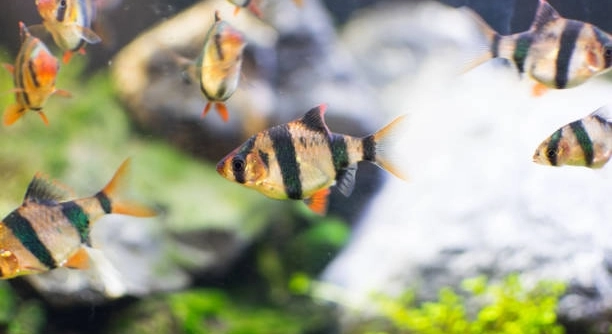
Tiger barbs are popular freshwater fish known for their bright colors and active nature. Sometimes, these fish may appear swollen or bloated, which can concern many aquarium owners. Understanding why this happens is important for their care.
Tiger barbs may look bloated due to various reasons such as overfeeding, swim bladder disorder, constipation, dropsy, parasites, poor water quality, or internal infections. Each cause affects their health differently and requires specific attention.
Knowing these causes can help you better care for your tiger barbs and keep them healthy in your aquarium. Recognizing the signs early can make a big difference in their well-being.
Overfeeding
Overfeeding is a common reason why tiger barbs may appear bloated. When they eat too much, their digestive system can become overloaded, causing swelling in the belly. This often happens because owners want to make sure their fish are well-fed but don’t realize how much is enough. Feeding tiger barbs small portions two or three times a day is usually best. Too much food not only causes bloating but can also pollute the tank water, leading to other health problems. It’s important to remove any uneaten food after a few minutes to keep the tank clean. Watching how your fish eat can help you understand when they are full. A healthy feeding routine will help prevent digestive issues and keep your tiger barbs active and vibrant.
Controlling how much you feed your fish is a simple way to avoid bloating and other digestive problems.
Feeding habits directly impact the health of your tiger barbs. Overfeeding may lead to constipation and swim bladder problems, both of which cause a swollen belly. A balanced diet with proper portion sizes helps maintain their digestion and prevents discomfort. Feeding high-quality food with good nutrition also supports their immune system. If bloating does occur, try fasting your fish for a day or two to allow their digestive system to recover. Consistency in feeding will promote better health and reduce bloating risks.
Swim Bladder Disorder
Swim bladder disorder affects a fish’s ability to control buoyancy, causing them to float awkwardly or sink. This problem often causes the fish to look swollen, especially around the belly. Swim bladder issues may result from constipation, poor diet, or infection. It can make your tiger barb struggle to swim normally, which is a clear sign something is wrong. Treating swim bladder problems involves adjusting feeding habits and improving water quality.
This condition makes it hard for fish to maintain balance and swim properly, often leading to bloating.
Swim bladder disorder can be frustrating because it affects how your tiger barb moves and looks. It usually starts with bloating due to constipation or poor digestion, which then impacts the swim bladder. In many cases, fasting the fish for a day or two helps clear the digestive system. Feeding peas without skins can also relieve constipation. Keeping the tank clean and stable reduces stress and prevents infections that may worsen swim bladder problems. If symptoms persist, consulting a vet or specialist may be necessary. Early care can improve your fish’s chances of recovery and help them regain their usual lively behavior.
Constipation
Constipation is a frequent cause of bloating in tiger barbs. It usually happens when they eat too much dry food or lack fiber in their diet. This condition slows digestion and makes their belly swell noticeably.
Constipation blocks the normal flow of food through the digestive system, causing the fish’s stomach to expand. When tiger barbs eat too many flakes or pellets without variety, their digestive tract may struggle. Adding fresh vegetables like blanched peas or zucchini can help. These foods provide fiber that supports healthy digestion. Also, feeding smaller amounts more often can prevent constipation from developing. Watching for signs such as reduced appetite or difficulty swimming can alert you early.
Left untreated, constipation can lead to more serious issues like swim bladder disorder or infections. Making small diet changes and ensuring clean water can often clear up the problem. Regularly including fiber-rich foods improves their digestion and helps maintain a healthy, non-bloated appearance.
Dropsy
Dropsy is a serious condition that causes tiger barbs to swell due to fluid buildup under the skin. It is often a sign of internal infection or organ failure and requires immediate attention.
This condition makes the fish’s scales stick out, giving them a pinecone-like appearance. Dropsy usually results from poor water quality, stress, or bacterial infections. If you notice your tiger barb looking swollen with raised scales, it’s critical to act quickly. Improving tank conditions and isolating the affected fish helps reduce the spread of infection. Antibiotic treatments are often necessary and should be used with care. Maintaining a clean and stable environment is the best way to prevent dropsy. Early detection and treatment give your fish a better chance to recover and stay healthy.
Parasites
Parasites can cause bloating in tiger barbs by irritating their digestive system or damaging internal organs. These tiny invaders often enter through contaminated water or infected fish.
Symptoms include swelling, lethargy, and loss of appetite. Treatment usually involves medication and improving tank hygiene to remove parasites and prevent reinfection.
Poor Water Quality
Poor water quality stresses tiger barbs and can lead to health problems, including bloating. High levels of ammonia, nitrites, or nitrates harm their organs and digestive system, causing swelling.
Regular water changes, proper filtration, and testing help maintain good water conditions. Clean water supports fish health and reduces the risk of bloating and other illnesses.
Internal Infections
Internal infections in tiger barbs cause inflammation and swelling in their abdomen. Bacterial or fungal infections often result from injuries or poor tank conditions.
Treating internal infections requires antibiotics or antifungal medication, alongside improved water quality. Early intervention is crucial to prevent severe health decline and bloating.
Why do my tiger barbs look bloated all of a sudden?
Sudden bloating in tiger barbs is often caused by changes in diet, water quality, or illness. Overfeeding and constipation are common triggers. Poor water conditions can also stress the fish and lead to swelling. If the bloating appears quickly, it is important to check these factors and act fast to prevent worsening.
Can overfeeding cause permanent damage to tiger barbs?
Overfeeding can lead to digestive issues like constipation and swim bladder problems, which might cause lasting harm if not treated. Chronic digestive distress weakens their immune system, making them prone to infections. Regularly feeding proper amounts helps avoid these risks and supports long-term health.
How can I tell if bloating is due to dropsy or another issue?
Dropsy causes a distinct pinecone-like appearance because of raised scales. If your fish looks swollen with protruding scales and seems lethargic, dropsy is likely. Other causes like constipation or swim bladder disorder do not change scale position. Monitoring behavior and scale condition helps identify the cause.
Is it safe to treat bloating at home without a vet?
Many common causes like constipation, mild infections, or poor water quality can be managed at home with proper care, diet changes, and tank maintenance. However, serious conditions like dropsy or severe infections need professional advice and medication. If symptoms persist or worsen, consulting a vet is important.
What foods help prevent bloating in tiger barbs?
High-fiber foods such as shelled peas, blanched zucchini, or spinach help keep digestion smooth and prevent constipation. Avoid feeding too many flakes or pellets at once. A varied diet with occasional fresh veggies supports healthy digestion and reduces bloating risks.
How often should I feed my tiger barbs to avoid bloating?
Feeding small portions two to three times daily is best. Overfeeding in one meal can overload their digestive system. Make sure to remove uneaten food promptly to keep the water clean. Watching their appetite and behavior helps adjust feeding amounts appropriately.
Can poor water quality alone cause bloating?
Yes, poor water quality stresses fish and can cause organ damage or infections that lead to bloating. Ammonia, nitrites, or nitrates at unsafe levels are harmful. Regular water testing and changes are crucial for preventing health problems related to water conditions.
How long does it take for a bloated tiger barb to recover?
Recovery time depends on the cause and treatment. Mild constipation may clear in a few days with fasting and diet changes. Swim bladder issues might improve within a week. Serious infections or dropsy require longer treatment and recovery. Consistent care is key for healing.
Should I separate a bloated fish from the others?
Separating a bloated fish can reduce stress and prevent the spread of contagious diseases like bacterial infections. Use a quarantine tank when possible to monitor and treat the fish closely. This helps protect both the affected fish and the rest of your tank.
What steps can I take to prevent bloating in tiger barbs?
Feed a balanced, varied diet in small portions, maintain excellent water quality, and monitor your fish daily for signs of illness. Avoid overcrowding and stress factors. Early detection of issues allows prompt action, helping keep your tiger barbs healthy and free from bloating.
Taking care of tiger barbs requires paying attention to small details that affect their health. Bloating can be a sign that something is wrong, but it doesn’t always mean a serious problem. It is often caused by things that can be easily fixed, such as overfeeding or constipation. By feeding your fish the right amount and offering a balanced diet, you can avoid many common digestive issues. Watching how your tiger barbs behave and look regularly helps catch problems early before they become severe.
Water quality is just as important as diet for preventing bloating and keeping fish healthy. Dirty or polluted water causes stress and weakens the fish’s immune system, making them more likely to get infections or develop other health problems. Regular water changes, testing for harmful chemicals, and cleaning the tank help maintain a safe environment for your fish. Good water conditions support your tiger barbs’ natural defenses, reducing the chance of bloating caused by disease or organ damage. Keeping the tank clean is a simple step that pays off in the long run.
If your tiger barbs do get bloated, it’s important to identify the cause quickly and take proper action. Some causes, like constipation or swim bladder disorder, can be treated at home by adjusting diet or tank care. More serious conditions, such as dropsy or internal infections, may require medication and special attention. Separating sick fish from others helps prevent illness from spreading. Staying patient and consistent with treatment gives your fish the best chance to recover. Overall, understanding the reasons behind bloating and responding early helps your tiger barbs stay healthy and happy in your aquarium.

Hello,
If you enjoy the content that we create, please consider saying a "Thank You!" by leaving a tip.
Every little bit helps us continue crafting quality advice that supports the health, happiness, and well-being of pets around the world, for pets of all shapes, sizes, and species.
We really appreciate the kindness and support that you show us!