
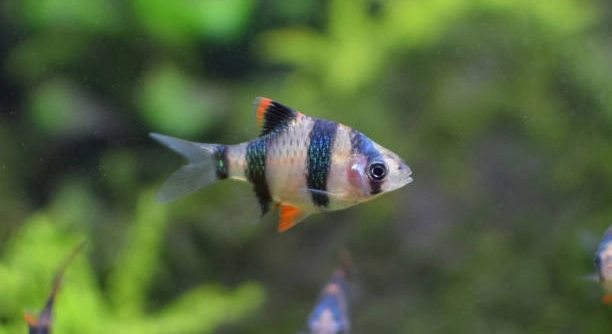
Tiger barbs are lively, colorful fish that many people enjoy keeping in home aquariums. Sometimes, these fish display a behavior called flashing, where they quickly rub or flick their bodies. This action can catch the eye and raise questions about what causes it.
Flashing in tiger barbs is commonly caused by irritation from parasites, poor water quality, or stress. It serves as a response to discomfort or an attempt to remove something from their skin, indicating potential health or environmental issues needing attention.
Knowing why tiger barbs flash often helps owners maintain a healthier tank and happier fish. This article will explain the main reasons behind this behavior clearly and simply.
Parasites and Skin Irritation
Parasites are one of the most common reasons tiger barbs flash frequently. Tiny organisms like ich or flukes attach to the fish’s skin, causing itching and discomfort. When tiger barbs feel irritated, they try to rub themselves against decorations, substrate, or tank walls to relieve the sensation. This flashing behavior is a way to attempt removing these parasites. If left untreated, parasites can lead to more serious health problems, including infections. It is important to regularly check your fish for any signs of white spots, redness, or unusual behavior. Keeping the tank clean and quarantining new fish before introducing them to the main aquarium helps reduce parasite risks. Treatments such as medicated baths or adding specific chemicals to the water can effectively eliminate parasites. Prompt action improves the fish’s comfort and overall well-being.
Flashing caused by parasites should be addressed quickly to prevent further health issues and discomfort for your tiger barbs.
Watching how your tiger barbs flash can help you notice early signs of parasite problems. Regular tank maintenance and careful observation go a long way in keeping your fish healthy. It’s a good idea to set a schedule for water changes and monitor water parameters like ammonia, nitrite, and nitrate levels. Proper filtration and avoiding overcrowding also reduce stress and disease risk. If parasites are suspected, consulting a specialist or using targeted treatments can bring relief. By paying close attention to your fish’s behavior and tank conditions, you create a safer environment where flashing becomes rare rather than constant.
Poor Water Quality
Poor water quality is another key factor that causes tiger barbs to flash often. When ammonia, nitrites, or nitrates build up in the aquarium, the water becomes toxic to fish. These chemicals irritate the skin and gills, leading to discomfort and flashing behavior. Besides chemical imbalances, sudden changes in pH or temperature can also stress tiger barbs, making them flash more. Dirty water promotes harmful bacteria and parasites, increasing the risk of infections. Regular water testing and partial water changes are necessary to maintain a stable, clean environment. Proper filtration and not overfeeding help keep water quality high. Clean water supports the fish’s immune system and reduces flashing caused by irritation.
Ensuring stable and clean water conditions reduces flashing and helps your tiger barbs thrive.
Monitoring water parameters daily or weekly depending on tank size is a good habit. A well-maintained tank creates a safe space where fish feel comfortable and healthy. Investing in a reliable test kit can help you track water chemistry easily. If levels are off, take immediate action with water changes or adjusting equipment. Keeping decorations clean and avoiding overcrowding also improve water conditions. When water quality is good, tiger barbs are less likely to flash from irritation and stress. This not only keeps your fish happy but also extends their lifespan. Maintaining water quality is one of the simplest but most effective ways to reduce flashing behavior.
Stress and Overcrowding
Stress is a frequent cause of flashing in tiger barbs. Overcrowded tanks create tension and competition for space, leading to discomfort.
Tiger barbs kept in cramped conditions often flash as a sign of stress. They need enough room to swim freely and avoid aggressive encounters with other fish. Overcrowding raises aggression levels, causing fin nipping and irritation. Stress weakens their immune systems, making them more prone to disease and parasite infestations. Providing adequate space, hiding spots, and compatible tank mates reduces stress. It’s important to monitor the number of fish relative to tank size to prevent overcrowding. This creates a calm environment where flashing is less common.
Reducing stress by managing tank population improves overall fish health and lowers flashing frequency. Proper tank setup and regular observation can prevent these issues.
Poor Diet and Nutritional Deficiencies
A poor diet can lead to flashing if tiger barbs do not get the nutrients they need for healthy skin and immune function. Deficiencies in vitamins and minerals weaken their resistance to infections and irritations.
Feeding tiger barbs a balanced diet with high-quality flakes, pellets, and occasional live or frozen foods supports their health. Lack of variety or inadequate nutrition can cause skin problems and make them more sensitive to irritants in the water. Overfeeding can also harm water quality, increasing stress and flashing behavior. Offering vitamin supplements or specially formulated foods can help prevent deficiencies. Watching their response to diet changes is important, as improvement often leads to less flashing and better vitality.
Consistent, balanced nutrition strengthens tiger barbs’ natural defenses and keeps flashing caused by poor diet to a minimum. Adjusting feeding habits can make a big difference in their well-being.
Fin Damage and Injuries
Fin damage often causes tiger barbs to flash. Torn or injured fins irritate the fish’s skin, leading to rubbing behaviors.
Injuries can happen from sharp decorations, aggressive tank mates, or rough handling. Damaged fins take time to heal, so it’s important to keep the water clean to avoid infections.
Stress from Tank Changes
Sudden changes in the tank environment, like new decorations or water parameter shifts, can stress tiger barbs. Stress triggers flashing as they try to cope with the discomfort. Keeping changes gradual helps fish adjust without irritation.
Skin Infections
Skin infections cause itching and flashing in tiger barbs. Bacterial or fungal infections damage skin and scales, making fish try to relieve irritation. Prompt treatment with proper medication prevents worsening of symptoms and promotes healing.
Lighting Issues
Bright or inconsistent lighting can disturb tiger barbs, causing stress and flashing. Maintaining a stable, moderate light cycle reduces stress and helps keep fish calm and comfortable.
Why do tiger barbs flash more during water changes?
Flashing often increases during water changes because the fish are sensitive to sudden shifts in water parameters like temperature, pH, and chemical balance. Even small changes can cause irritation or stress, triggering the flashing behavior. Gradual water changes and carefully matching new water conditions reduce this reaction.
How can I tell if flashing is due to parasites or stress?
If flashing is caused by parasites, you might see additional signs like white spots, redness, or lethargy. Stress-related flashing usually happens when tank conditions change, such as overcrowding or poor water quality, without visible parasites. Observing your fish closely helps distinguish the cause.
Is flashing always a sign of illness?
Not always. Flashing can be a response to irritation or discomfort, but it may also happen briefly during normal activities like cleaning or interacting with tank decorations. Persistent or frequent flashing, however, usually indicates a problem that needs attention.
What treatments work best for flashing caused by parasites?
Medications containing formalin, malachite green, or copper sulfate are commonly used to treat parasites like ich or flukes. Always follow dosage instructions carefully and isolate infected fish if possible. Maintaining clean water and quarantining new fish helps prevent outbreaks.
Can flashing be caused by tank mates?
Yes, aggressive or overly active tank mates can stress tiger barbs, leading to flashing. Fin nipping or chasing causes physical irritation and stress. Choosing compatible, peaceful fish and providing hiding places can reduce these issues.
How often should I test my aquarium water to prevent flashing?
Testing water weekly is recommended, especially for ammonia, nitrite, nitrate, and pH levels. More frequent testing may be needed if you notice flashing or other signs of stress. Consistent monitoring helps catch problems early before they affect your fish.
Will changing the diet stop flashing immediately?
Improving the diet helps over time by strengthening fish health and immune function but won’t stop flashing immediately. It takes days or weeks for better nutrition to show effects. Combine diet changes with good water quality and parasite control for best results.
Can flashing cause permanent damage to tiger barbs?
If flashing is caused by irritation or infections that are untreated, it can lead to skin damage, open wounds, or secondary infections. Chronic stress from flashing weakens the immune system, increasing vulnerability. Early treatment helps prevent lasting harm.
Is it normal for tiger barbs to flash during breeding?
Yes, flashing can increase during breeding as fish become more active and may rub against surfaces. This behavior is usually temporary and not a cause for concern unless it continues excessively or leads to injury.
What role does tank decoration play in flashing?
Sharp or rough decorations can cause physical irritation or injuries, leading to flashing. Smooth surfaces and safe plants reduce the risk. Decorations also provide hiding spots, which help reduce stress and flashing caused by aggression or anxiety.
How can I reduce flashing caused by lighting issues?
Use a timer to maintain consistent light cycles of about 8 to 10 hours per day. Avoid overly bright lights or sudden changes in lighting intensity. Dimmer or natural-spectrum lighting can help tiger barbs feel more comfortable and reduce stress-induced flashing.
Should I quarantine new fish to prevent flashing?
Quarantining new fish is a smart practice. It helps catch parasites or illnesses before they enter the main tank, reducing flashing caused by infections. A quarantine period of two to four weeks is usually enough to observe any problems.
How do temperature fluctuations affect flashing?
Rapid or frequent changes in water temperature cause stress and skin irritation, which leads to flashing. Keeping the tank temperature stable within the species’ preferred range, typically 74–79°F (23–26°C) for tiger barbs, reduces this risk.
Can overfeeding cause flashing?
Indirectly, yes. Overfeeding pollutes the water with excess waste, lowering water quality. Poor water conditions irritate fish skin, causing flashing. Feeding small amounts and removing uneaten food helps maintain clean water and reduces flashing.
What signs should prompt me to take action when I see flashing?
If flashing happens often or is combined with lethargy, loss of appetite, visible spots, redness, or damaged fins, it’s time to act. Check water parameters, look for parasites, and improve tank conditions. Early intervention prevents more serious problems.
Flashing in tiger barbs is a clear sign that something in their environment or health needs attention. This behavior is not just random but usually a response to irritation, discomfort, or stress. Whether caused by parasites, poor water quality, diet, or tank conditions, flashing should not be ignored. Understanding the common reasons behind this behavior helps in identifying what might be wrong and how to fix it. Regular observation of your fish and their tank can catch problems early before they become severe.
Keeping a clean, stable tank environment is one of the best ways to reduce flashing. Regular water testing and changes, maintaining proper filtration, and avoiding overcrowding create healthier living conditions for tiger barbs. Paying attention to their diet is also important since balanced nutrition strengthens their immune system and skin. If flashing is linked to parasites or infections, timely treatment is essential to prevent further harm. Quarantining new fish before introducing them to the main tank can reduce risks of spreading diseases.
Overall, flashing is a useful behavior that tells you when your tiger barbs are uncomfortable or stressed. Acting quickly by checking water quality, diet, and tank setup will improve their well-being. Small changes, such as adjusting lighting or reducing aggression from tank mates, also help. By staying attentive to their needs, you ensure your tiger barbs stay healthy and active, with flashing becoming a rare event rather than a frequent problem.

Hello,
If you enjoy the content that we create, please consider saying a "Thank You!" by leaving a tip.
Every little bit helps us continue crafting quality advice that supports the health, happiness, and well-being of pets around the world, for pets of all shapes, sizes, and species.
We really appreciate the kindness and support that you show us!