
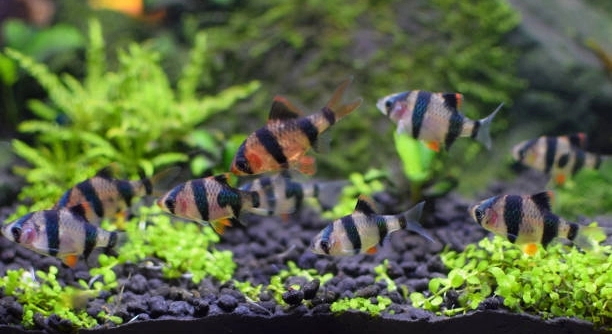
Tiger barbs are popular freshwater fish known for their lively behavior and striking colors. Many owners notice these fish becoming bolder over time, showing more confidence in their environment. Understanding this change can help improve care and enjoyment.
Tiger barbs become more bold due to factors like growing familiarity with their habitat, social interactions with other fish, changes in water conditions, increased feeding routines, maturation, reduced stress levels, and natural territorial instincts. These combined elements encourage bolder behavior.
Recognizing what makes tiger barbs bolder can help you create a better environment for them. Learning these reasons will also deepen your connection with your fish and support their natural behavior.
Growing Familiarity with Their Habitat
When tiger barbs first enter a new tank, they tend to be shy and cautious. Over time, as they get used to the environment, their confidence grows. They learn where food comes from, where to hide, and which areas are safe. This comfort encourages them to swim more openly and explore their surroundings without fear. Familiarity reduces stress, which often leads to bolder and more active behavior. As their comfort level increases, you might notice them swimming closer to the glass or interacting more with other fish. This shift shows they feel secure and settled.
Fish that feel safe tend to take more risks and show off their natural behavior more often.
Helping your tiger barbs get familiar with their tank means keeping the environment stable. Avoid sudden changes in water temperature or layout. Adding plants or decorations for hiding spots can also boost their sense of security, encouraging them to be more outgoing.
Social Interaction and Group Behavior
Tiger barbs are schooling fish, so they thrive in groups. When kept alone or in small numbers, they may stay shy or withdrawn. In a proper school, their boldness tends to increase as they interact and compete with one another. These social dynamics push them to establish pecking order and show off to their tank mates. This behavior is natural and important for their wellbeing.
In a group, tiger barbs swim actively and display more vibrant colors, signaling health and confidence.
Social interaction gives tiger barbs a chance to express their natural instincts. They chase each other playfully, compete for food, and sometimes establish dominance. These behaviors strengthen their social bonds and reduce boredom. When you keep at least six tiger barbs together, their collective energy helps them become more active and less shy. This group dynamic also lowers stress because they feel safer with others nearby. Providing enough space for a school to move freely encourages these social behaviors and helps your fish show their best, boldest selves.
Changes in Water Conditions
Stable water conditions help tiger barbs feel secure and act bolder. Sudden shifts in temperature or pH can stress them and make them hide.
Keeping water clean and consistent supports their health. Proper filtration and regular water changes reduce harmful toxins, creating a comfortable environment. When water parameters are ideal, tiger barbs swim actively and explore more. They become more visible, showing brighter colors and natural behaviors. Monitoring water quality closely ensures they stay confident and less prone to stress.
Maintaining steady water conditions mimics their natural habitat, which encourages normal activity levels. Avoid sudden changes that might unsettle them. A stable tank makes them feel safe, increasing their boldness naturally. Consistent care results in healthier, more vibrant fish that enjoy their home and interact more openly with their surroundings.
Increased Feeding Routine
Feeding tiger barbs regularly helps build trust and encourages bold behavior. They learn when and where to expect food, which boosts confidence.
Offering a balanced diet with varied food types improves their energy and color. When tiger barbs feel well-fed and secure, they show more curiosity and swim closer during feeding times. Regular feeding reduces competition stress, making the group calmer and more confident. Using feeding times to interact with your fish can strengthen their comfort around you.
Overfeeding should be avoided as it can cause health problems and reduce water quality. Feeding smaller amounts multiple times a day is better than one large feeding. This method keeps their metabolism steady and encourages active behavior throughout the day. A well-planned feeding routine positively influences their mood and encourages them to be more social and bold within the tank.
Maturation and Growth
As tiger barbs grow, their confidence naturally increases. Young fish tend to be shy, but adults show more boldness and curiosity.
Maturity brings stronger instincts for exploring and interacting. Their behavior becomes more pronounced, with clearer social roles emerging.
Reduced Stress Levels
Lower stress helps tiger barbs act bolder and more relaxed. Stress can come from overcrowding, poor water quality, or aggressive tank mates.
Creating a calm environment allows them to feel safe and more willing to explore. Minimizing disturbances helps maintain their natural, confident behavior.
Natural Territorial Instincts
Tiger barbs show boldness when protecting their space. Establishing small territories encourages active swimming and displays of color.
This instinct helps maintain social order and promotes healthy interaction within the tank.
How many tiger barbs should I keep together?
Tiger barbs are schooling fish and feel best in groups of at least six. Keeping fewer than six can lead to shy or stressed behavior because they rely on social interaction to feel safe. In a group, they show more natural behaviors like chasing, playing, and establishing a social hierarchy. A larger group also spreads out any aggression, preventing one fish from becoming a target. Make sure your tank is large enough to comfortably house the group with enough swimming space.
What water parameters do tiger barbs prefer?
Tiger barbs thrive in water with a temperature between 74°F and 79°F (23°C to 26°C). The pH should be slightly acidic to neutral, ideally between 6.5 and 7.0. They prefer moderately soft to slightly hard water. Stability is key—sudden changes in temperature or pH can stress them out and make them less bold. Regular water testing and maintenance, including partial water changes, help keep conditions steady.
Can tiger barbs live with other fish?
Yes, but choose tank mates carefully. Tiger barbs can be nippy, especially toward slow-moving or long-finned fish. Ideal companions include other fast, active species like danios or rasboras. Avoid slow fish like bettas or angelfish that might get bullied. Keeping tiger barbs in a proper-sized school helps reduce their aggression. Also, providing plenty of hiding spots and space can ease tensions between different fish.
Why do tiger barbs nip each other?
Nipping is a natural behavior tied to their social structure and territorial instincts. When kept in small groups or crowded tanks, this behavior can increase because of stress or competition. Providing a group of six or more and plenty of space usually reduces nipping. Also, ensuring your fish are well-fed limits aggression caused by hunger. Some fin nipping is normal, but excessive aggression should be addressed by improving tank conditions.
How often should I feed my tiger barbs?
Feeding them small amounts two to three times a day is best. This keeps their metabolism stable and energy levels steady. Overfeeding can pollute the tank and cause health problems. A varied diet including flakes, pellets, and occasional live or frozen foods like bloodworms or brine shrimp helps keep them healthy and colorful. Consistent feeding routines also build their confidence and make them more active.
What are common signs of stress in tiger barbs?
Signs of stress include hiding constantly, loss of color, lethargy, or erratic swimming. Stress may also cause loss of appetite or frequent gasping at the surface. Causes can be poor water quality, sudden changes in environment, overcrowding, or aggressive tank mates. Addressing these issues by improving water conditions, ensuring enough space, and choosing compatible fish helps tiger barbs regain boldness and health.
How can I encourage my tiger barbs to be more bold?
Providing a stable, clean tank with a proper group size is the best way. Avoid sudden changes and give them plenty of hiding spots so they feel safe. Feeding regularly and interacting by feeding near the glass can also build trust. Watching them become more curious and active over time shows they feel comfortable and confident in their environment.
Do tiger barbs need plants or decorations in their tank?
Yes, plants and decorations offer hiding places that reduce stress and give tiger barbs a sense of security. They use these spots to retreat when feeling threatened, which encourages bolder behavior once they feel safe. Live plants also help improve water quality and mimic their natural habitat. Even artificial decorations that create shade and shelter are beneficial.
How large should my tank be for tiger barbs?
A minimum of 20 gallons is recommended for a small school of six tiger barbs. This size provides enough space for swimming and establishing social groups without overcrowding. Larger tanks are better, especially if you want to keep other species with them. A spacious tank reduces stress and supports their bold, active nature.
Can tiger barbs live alone?
Tiger barbs do not thrive alone. They are social fish that need the company of their own kind. Without a group, they may become shy, stressed, and less active. Keeping them in at least groups of six helps them feel secure and encourages natural, bold behavior. If kept alone, their health and happiness may suffer.
Tiger barbs are lively fish that bring energy and color to any aquarium. Understanding why they become more bold helps provide better care and a healthier environment for them. Their boldness comes from many factors, like feeling safe in their home, growing up, interacting with other fish, and having steady conditions. When these needs are met, tiger barbs show their true personality by swimming confidently and exploring their space.
Creating a stable and comfortable tank is key to encouraging bold behavior in tiger barbs. Keeping them in groups of six or more helps reduce stress and lets them express natural social behaviors. Stable water conditions and regular feeding routines also play a big role in their confidence. Adding plants or decorations gives them places to hide and feel secure, which reduces fear and makes them more outgoing. When these elements come together, tiger barbs not only become bolder but also healthier and happier.
Watching tiger barbs grow bolder over time can be rewarding. It shows they are adapting well and feel comfortable in their environment. Being patient and consistent with care will help bring out their best behavior. Remember, every fish is different, and some may take longer to become confident. Giving your tiger barbs a calm and supportive home is the best way to see them thrive and enjoy their lively, bold nature every day.

Hello,
If you enjoy the content that we create, please consider saying a "Thank You!" by leaving a tip.
Every little bit helps us continue crafting quality advice that supports the health, happiness, and well-being of pets around the world, for pets of all shapes, sizes, and species.
We really appreciate the kindness and support that you show us!