
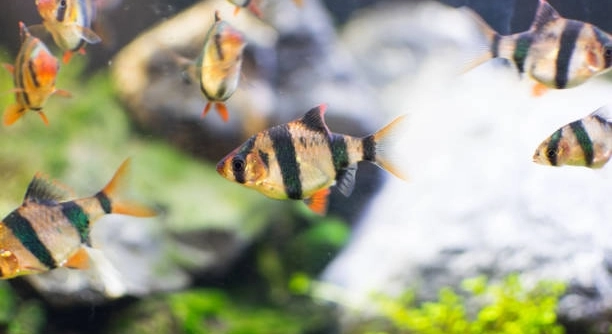
Tiger Barbs are popular aquarium fish known for their bright colors and active behavior. Sometimes, these lively fish suddenly become inactive, which can be worrying for fish keepers. Understanding why this happens can help keep them healthy and happy.
Tiger Barbs become inactive mainly due to environmental stress, poor water quality, illness, improper diet, lack of stimulation, overcrowding, or changes in tank conditions. Each factor impacts their behavior and overall well-being significantly.
Knowing these common reasons can help you recognize problems early and provide better care for your Tiger Barbs. This information is useful for anyone looking to maintain a vibrant aquarium environment.
Environmental Stress and Its Impact on Tiger Barbs
Environmental stress is one of the main reasons Tiger Barbs slow down or become inactive. Changes like sudden temperature shifts, improper lighting, or loud noises around the tank can make these fish feel unsafe. When stressed, Tiger Barbs tend to hide more and swim less. Stress weakens their immune system, making them more prone to disease. Keeping their environment stable is essential for their health. It is important to maintain a consistent temperature between 74 and 79°F and provide proper lighting that mimics their natural habitat. Avoid placing the tank in busy areas with frequent vibrations or noise. Also, sudden water changes or moving decorations around can add to their stress levels. Watching your fish closely during these changes can help you spot inactivity early and adjust the environment to reduce stress.
Stress affects their activity by causing them to retreat and conserve energy.
Keeping the tank stable and quiet is key to helping Tiger Barbs stay active and healthy.
Poor Water Quality and Its Effects
Water quality plays a huge role in Tiger Barb activity levels. Dirty or polluted water can quickly lead to lethargy and illness. Waste buildup, excess ammonia, nitrites, or nitrates make the tank unsafe for fish. These toxins irritate their gills and reduce oxygen levels, making it hard for the fish to breathe. Regular water testing and changes are necessary to keep water parameters in check. Aim for ammonia and nitrite levels at zero, and nitrate below 20 ppm. Filtration systems should be properly maintained and cleaned without disturbing beneficial bacteria. If water quality drops, Tiger Barbs will hide and swim less as their bodies try to cope with the harmful environment. Keeping the tank clean not only prevents inactivity but also supports their overall growth and vibrant colors.
Testing water regularly helps catch problems before they affect your fish.
Frequent water changes are necessary to maintain a healthy tank environment.
Using a reliable filter and cleaning it gently supports a stable ecosystem in the aquarium.
Providing proper tank maintenance ensures Tiger Barbs stay lively and disease-free.
Illness and Disease
When Tiger Barbs get sick, they often become less active. Common illnesses like ich, fin rot, or bacterial infections can cause lethargy. Early signs include clamped fins, discoloration, or unusual swimming patterns.
Illness affects Tiger Barbs’ energy and behavior because their bodies use more resources to fight infections. If left untreated, diseases worsen and inactivity increases. Quarantining new fish and maintaining clean water reduces disease risk. Observing your fish daily helps catch symptoms early, making treatment more effective.
Treating illness quickly is important. Medications designed for aquarium fish can help clear infections. Sometimes, improving water quality alone can boost their recovery. Make sure to follow treatment instructions carefully and continue monitoring your fish after symptoms improve.
Improper Diet
A poor diet can cause Tiger Barbs to lose energy and become inactive. Feeding them only flakes or low-quality food doesn’t provide necessary nutrients. Balanced nutrition supports their activity and vibrant colors.
Tiger Barbs need a varied diet including high-quality flakes, pellets, frozen, or live foods like brine shrimp or bloodworms. Protein-rich foods help maintain their strength and energy. Overfeeding, however, can lead to poor water quality and health issues. Feeding small amounts twice daily is usually best. Providing a balanced diet improves their vitality and reduces inactivity caused by nutritional deficiencies.
Lack of Stimulation
Tiger Barbs need an engaging environment to stay active. A bare tank with little decoration or hiding spots can lead to boredom and inactivity.
Adding plants, rocks, and other decorations encourages natural exploration and play, which helps keep their energy levels up and reduces sluggish behavior.
Overcrowding
Too many fish in one tank cause stress and competition for resources. Overcrowding leads to less swimming space and more hiding, which can make Tiger Barbs inactive.
Providing enough room and balanced population density promotes healthier, more active fish that show natural behaviors and swim freely.
Changes in Tank Conditions
Sudden changes in water temperature, pH, or hardness can make Tiger Barbs sluggish. These fish prefer stable conditions and do not adapt well to rapid shifts.
Keeping water parameters consistent and avoiding abrupt changes helps maintain their energy and normal activity levels.
FAQ
Why are my Tiger Barbs hiding and not swimming much?
Tiger Barbs often hide when they feel stressed, sick, or unsafe. Changes in water quality, temperature, or tank environment can cause them to retreat. They may also hide if there is overcrowding or aggressive tank mates. Make sure the tank conditions are stable and the water is clean to encourage normal activity.
How often should I change the water to keep Tiger Barbs active?
Regular water changes are key. Changing about 20-30% of the water weekly helps keep toxins low and oxygen levels high. This supports healthy fish behavior and prevents inactivity caused by poor water quality. Always treat tap water to remove chlorine before adding it to the tank.
What kind of diet keeps Tiger Barbs energetic?
A balanced diet with high-quality flakes or pellets, plus occasional live or frozen foods, works best. Protein-rich foods like bloodworms or brine shrimp boost energy. Avoid overfeeding to prevent water pollution and health problems. Feed small amounts twice a day for best results.
Can tank decorations affect Tiger Barbs’ activity?
Yes. A bare tank can make Tiger Barbs bored and less active. Adding plants, rocks, and hiding spots stimulates natural behaviors like exploring and swimming. This helps keep them lively and reduces stress.
Is it normal for Tiger Barbs to have inactive periods?
Some resting periods are normal, especially at night or when the tank is quiet. However, long or frequent inactivity may signal stress, illness, or poor tank conditions. Watch for other signs like changes in appetite or color to decide if action is needed.
How does tank size influence Tiger Barbs’ behavior?
A small, crowded tank limits swimming space and increases stress, causing inactivity. Tiger Barbs need at least 20 gallons for a small group to swim freely and stay healthy. Providing enough room reduces aggression and supports natural activity.
What diseases cause Tiger Barbs to be inactive?
Common diseases like ich, fin rot, and bacterial infections can reduce activity. Infected fish may hide, swim slowly, or float near the bottom. Early treatment is important. Keep the tank clean and quarantine new fish to prevent outbreaks.
Can temperature changes make Tiger Barbs inactive?
Yes. Tiger Barbs prefer temperatures between 74 and 79°F. Sudden drops or spikes can cause stress and slow movement. Maintaining a stable temperature with a reliable heater helps keep them active and healthy.
How can I reduce stress in my Tiger Barbs?
Keep the tank environment stable and quiet, avoid sudden changes, and provide plenty of hiding spots. Avoid aggressive tank mates and maintain good water quality. Regular feeding and clean conditions lower stress, which helps Tiger Barbs stay active.
What should I do if my Tiger Barbs stay inactive despite good care?
If inactivity continues, check for hidden illness or poor water parameters. Testing water for ammonia, nitrites, and nitrates is important. Consult a vet or aquarium specialist if symptoms persist. Sometimes, adjusting tank mates or environment can make a difference.
Final Thoughts
Tiger Barbs are lively and colorful fish that bring energy to any aquarium. When they become inactive, it often signals that something in their environment or care routine needs attention. Whether it is stress, water quality, diet, illness, or tank conditions, each factor plays a role in how active these fish are. Paying close attention to their behavior and tank setup can help keep them swimming and enjoying their space.
Maintaining a stable and clean environment is essential for Tiger Barbs. Regular water testing and changes prevent harmful buildup of toxins that make fish sluggish. A balanced diet with variety keeps them strong and full of energy. Providing a tank with enough space and decorations encourages natural behaviors like swimming and exploring. Avoiding overcrowding and aggressive tank mates also reduces stress that can cause inactivity. When all these factors are managed well, Tiger Barbs are more likely to thrive.
It’s important to act quickly if inactivity seems related to illness or poor water conditions. Early detection and treatment can prevent serious problems and help the fish recover. Observing your fish daily gives you a better chance to spot changes early. Small adjustments in tank care often make a big difference in their behavior. By following these simple steps, you can create a healthy home where Tiger Barbs stay active and vibrant for a long time.

Hello,
If you enjoy the content that we create, please consider saying a "Thank You!" by leaving a tip.
Every little bit helps us continue crafting quality advice that supports the health, happiness, and well-being of pets around the world, for pets of all shapes, sizes, and species.
We really appreciate the kindness and support that you show us!