
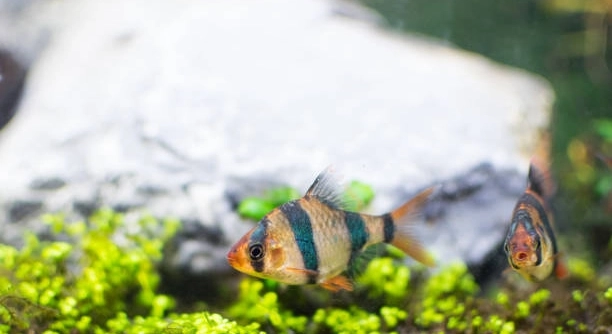
Tiger barbs are popular freshwater fish known for their vibrant colors and lively behavior. Sometimes, these fish may suddenly act out in ways that seem unusual or aggressive to their owners. Understanding why this happens can help maintain a healthy aquarium environment.
Sudden behavioral changes in tiger barbs are often caused by factors such as stress, poor water quality, overcrowding, illness, territorial disputes, diet deficiencies, or environmental changes. Identifying these reasons is essential for timely intervention and fish well-being.
Knowing the causes behind sudden changes in tiger barb behavior will help you better care for them and prevent future problems in your tank. This article explains the main reasons for these shifts in behavior.
Stress and Its Impact on Tiger Barbs
Stress is a common cause of sudden changes in tiger barb behavior. Factors such as sudden noise, frequent tank disturbances, or changes in lighting can unsettle these fish. Stress weakens their immune system, making them more prone to illness and aggressive behavior. It is important to provide a stable and calm environment to reduce stress levels. Regular tank maintenance, gentle handling, and avoiding overcrowding all help in minimizing stress. Observing your fish daily can help catch signs of stress early, such as hiding or rapid swimming. Stress can also lead to erratic movements and fin damage. By keeping their surroundings consistent, you support their overall health and reduce sudden outbursts.
Stress affects tiger barbs by making them more aggressive or withdrawn. A peaceful tank promotes calmer behavior and healthier fish.
Providing a calm environment means avoiding loud noises, keeping a stable temperature, and limiting sudden changes. These small adjustments can make a big difference in reducing stress. If you notice one fish acting out, check for potential stress triggers and address them quickly. This helps prevent the problem from spreading to other fish. A well-maintained tank with stable water parameters supports tiger barbs’ natural behavior, keeping them peaceful and active.
Poor Water Quality
Poor water quality can cause sudden behavioral changes in tiger barbs. Dirty water or incorrect pH levels make fish uncomfortable and stressed, leading to erratic swimming or aggression. Regular testing and cleaning keep the environment safe. Maintaining proper filtration and performing water changes are crucial to keep ammonia and nitrate levels low. These toxins harm fish health and trigger negative reactions. Ensure the water temperature remains stable as fluctuations add stress. Proper water conditions support fish health, growth, and behavior, making it easier to enjoy their natural activity and coloration. Consistent care helps avoid surprises from sudden behavior changes.
Clean, balanced water is essential for tiger barbs’ health and calm behavior.
Water quality problems develop slowly but affect fish quickly. Ammonia buildup irritates gills and causes breathing difficulties, resulting in frantic movements. If left unchecked, it can lead to disease and death. A good filtration system reduces waste buildup, while weekly partial water changes remove harmful substances. Test kits for ammonia, nitrites, nitrates, and pH are affordable and easy to use. Keeping the water parameters within the recommended ranges ensures tiger barbs remain active and social without sudden aggressive tendencies. Attention to water quality is one of the best ways to prevent sudden behavior issues and support a thriving aquarium.
Overcrowding Issues
Overcrowding creates stress and competition among tiger barbs. Too many fish in a tank lead to limited space and resources, causing aggression and erratic behavior.
When the tank is overcrowded, tiger barbs struggle to establish territory and compete for food. This competition often triggers sudden acts of chasing, nipping, or hiding. It also increases waste production, which harms water quality and worsens stress. Providing enough space and proper stocking levels helps reduce conflicts and promotes natural social behavior. A good rule is one inch of fish per gallon, but tiger barbs benefit from even more space because they are active swimmers. Overcrowding limits movement and increases tension in the tank.
Reducing fish numbers or upgrading to a larger tank can prevent overcrowding problems. Introducing plenty of plants and hiding spots also helps by breaking sightlines and giving fish places to retreat. This approach lowers stress and aggression, allowing tiger barbs to behave more calmly and naturally.
Illness and Parasites
Illnesses and parasites can cause sudden behavior changes in tiger barbs. Sick fish may become lethargic, isolate themselves, or act aggressively due to discomfort.
Common diseases include ich, fin rot, and bacterial infections. These conditions irritate the fish and disrupt normal swimming or feeding patterns. Parasites attach to the skin or gills, causing itching and stress, which leads to erratic movements or hiding. Early detection and treatment are crucial to stop the spread and improve recovery chances. Quarantining new fish and maintaining clean water reduces illness risks. Observing your fish daily helps catch symptoms early before they worsen.
Proper treatment depends on the illness but often involves medicated baths or antibiotics. Providing a stress-free environment supports healing. Sometimes, changing the tank setup or water parameters can help fish fight infections more effectively. Illness can significantly impact behavior, so prompt action is important for the entire aquarium’s health.
Territorial Disputes
Tiger barbs can become territorial, especially during breeding or when space is limited. They may chase or nip at other fish to defend their area.
This behavior increases if hiding spots are few. Providing enough plants and decorations helps reduce conflicts by breaking up territories and offering refuge.
Diet Deficiencies
A poor diet lacking essential nutrients can cause sudden aggression or lethargy in tiger barbs. Balanced feeding supports healthy behavior and vibrant coloration.
Feeding a varied diet of high-quality flakes, pellets, and occasional live or frozen foods ensures tiger barbs get proper nutrition. Deficiencies weaken their immune system and can trigger erratic behavior. Consistent feeding routines and avoiding overfeeding help maintain their health and mood. Providing occasional treats like brine shrimp or bloodworms adds enrichment and supports natural foraging instincts.
Environmental Changes
Sudden changes in temperature, lighting, or water chemistry disturb tiger barbs. They may act out as they adjust to new conditions.
Maintaining stable tank parameters helps prevent stress and behavior problems.
Why are my tiger barbs suddenly aggressive?
Tiger barbs often become aggressive due to stress, overcrowding, or territorial disputes. When space is limited, they compete for dominance, leading to chasing and nipping. Stress from poor water quality or sudden changes in the environment can also trigger aggression. Ensuring a spacious tank with plenty of hiding spots and stable conditions helps reduce aggressive behavior.
How can I tell if my tiger barbs are stressed?
Signs of stress include erratic swimming, hiding more than usual, faded colors, and loss of appetite. You might notice fin clamping or rapid gill movement as well. Stress weakens their immune system, so catching these signs early is important to prevent illness. Maintaining clean water and a calm environment supports their well-being.
What water conditions do tiger barbs need?
Tiger barbs thrive in temperatures between 74°F and 79°F (23°C to 26°C). The ideal pH is between 6.5 and 7.5, with low ammonia and nitrate levels. Regular water testing and partial water changes keep these parameters stable. Proper filtration is also necessary to remove waste and keep the water clear and healthy.
Can overcrowding cause health problems for tiger barbs?
Yes, overcrowding raises stress levels and worsens water quality, leading to disease and aggressive behavior. It also limits swimming space and makes establishing territory difficult. Providing at least 10 gallons per 10 fish is a good starting point. Overcrowding should be avoided to keep fish healthy and peaceful.
How often should I feed my tiger barbs?
Feed tiger barbs twice a day in small amounts they can consume within 2-3 minutes. Overfeeding pollutes the water and can cause health issues. A varied diet with quality flakes, pellets, and occasional live or frozen food is best to meet their nutritional needs.
What are common illnesses that affect tiger barbs?
Ich (white spot disease), fin rot, and bacterial infections are common. Parasites can also cause sudden changes in behavior. Symptoms include white spots, ragged fins, lethargy, and loss of appetite. Quarantining new fish and maintaining good water quality help prevent diseases.
How can I treat sick tiger barbs?
Treatment depends on the illness but often includes medicated baths or antibiotics. Improving water quality and reducing stress supports recovery. Isolating sick fish in a quarantine tank prevents spreading infections. Early intervention improves the chance of a full recovery.
Why do tiger barbs nip at other fish?
Nipping is natural for tiger barbs, especially in tight spaces or with slow-moving tank mates. It can be a sign of boredom, stress, or territorial behavior. Providing enough space, hiding spots, and lively companions can reduce this behavior.
Can environmental changes cause sudden behavior shifts?
Yes, changes in temperature, lighting, or water chemistry can stress tiger barbs and cause erratic behavior. Sudden shifts disrupt their routine and comfort level. Keeping the tank environment stable and making gradual adjustments helps maintain calm fish.
What tank mates are suitable for tiger barbs?
Choose fast-moving, similarly sized fish that tolerate nipping, like danios or other barbs. Avoid slow, long-finned species like bettas or angelfish, which can be targets. A well-planned community tank reduces aggression and helps tiger barbs behave naturally.
How can I reduce aggression in a tiger barb tank?
Increase tank size, add plants and decorations to create hiding spots, and keep an odd number of tiger barbs to spread aggression. Maintaining good water quality and a stable environment also lowers stress, reducing aggressive incidents.
Do tiger barbs need a specific diet to stay healthy?
A balanced diet including flakes, pellets, and occasional live or frozen foods ensures proper nutrition. This supports vibrant colors, good health, and natural behavior. Deficiencies can lead to sudden aggression or lethargy, so variety is important.
What signs indicate a tiger barb is ill?
Look for clamped fins, spots or lesions, erratic swimming, loss of appetite, and lethargy. These symptoms suggest infection or parasites. Prompt treatment is necessary to prevent the spread and help the fish recover.
Is it normal for tiger barbs to act out suddenly?
Sudden changes often signal stress or health problems. Addressing water quality, tank conditions, and diet usually helps restore normal behavior. Regular observation and care prevent surprises.
How do I keep my tiger barbs happy and healthy?
Maintain clean water, provide enough space and hiding spots, feed a balanced diet, and monitor for signs of illness or stress. A stable environment with compatible tank mates promotes natural, calm behavior. Consistent care is key.
Understanding why tiger barbs suddenly act out is important for anyone who cares for these lively fish. Their behavior often reflects their environment and health. Stress, overcrowding, poor water quality, illness, and changes in their surroundings can all cause them to behave differently than usual. By recognizing these triggers early, you can take steps to improve their conditions and prevent ongoing problems. Keeping an eye on their behavior daily helps you notice small changes before they become bigger issues. This attention supports the long-term health and happiness of your tiger barbs.
Maintaining a stable environment is one of the best ways to avoid sudden outbursts. Regular water testing and cleaning keep their tank safe and comfortable. Providing enough space and hiding places reduces competition and aggression among fish. Feeding a balanced and varied diet ensures they get the nutrients needed for good health. If illness or parasites appear, quick treatment and quarantine of affected fish are necessary to protect the rest of the tank. These care routines might feel like extra work, but they make a big difference in how your fish behave and thrive.
Taking care of tiger barbs means understanding their natural needs and behavior. These fish are active and social but can become stressed or aggressive if their environment is not right. Keeping conditions consistent, monitoring water quality, and offering proper nutrition create a peaceful and healthy aquarium. When your tiger barbs feel secure, they display their best colors and behaviors. Paying attention to these factors ensures that your fish remain lively and balanced, allowing you to enjoy a beautiful and harmonious tank.

Hello,
If you enjoy the content that we create, please consider saying a "Thank You!" by leaving a tip.
Every little bit helps us continue crafting quality advice that supports the health, happiness, and well-being of pets around the world, for pets of all shapes, sizes, and species.
We really appreciate the kindness and support that you show us!