
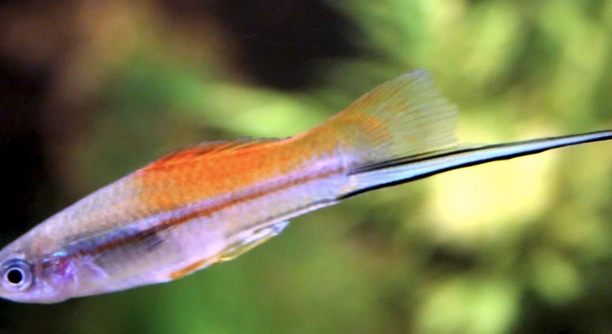
Do your swordtails seem uninterested in swimming with others, preferring to stay off on their own or near the tank bottom?
Swordtails may avoid group swimming due to stress, territorial behavior, illness, or unsuitable tank conditions. Other factors include mismatched tankmates, lack of hiding spots, or improper water parameters that impact their comfort and social behavior.
Recognizing these causes can help you create a more peaceful and engaging environment for your swordtails to thrive and interact.
Stress from New Environments or Changes
Swordtails can become stressed when moved into a new tank or after significant changes in their environment. This stress often leads them to isolate instead of swimming in groups. New lighting, different water conditions, or unfamiliar tankmates can all trigger discomfort. They may hide near plants or corners until they feel secure. If this behavior lasts for days, it’s a sign they need time to adjust. Watching them closely during this period is important. Try to maintain a consistent tank setup and routine. Stability helps reduce stress and encourages your swordtails to explore more confidently.
Temporary changes in behavior are common after tank adjustments. Keep the lighting gentle and avoid sudden movements near the aquarium.
Once they feel comfortable, most swordtails will return to normal social behavior. If isolation continues, check for any signs of illness or aggression. A peaceful, stable tank helps build their confidence and encourages them to swim freely with others.
Aggression from Other Fish
Swordtails may avoid group swimming due to tankmates that display dominant or aggressive behavior. This pressure causes them to seek isolation for safety.
If aggression is an issue, monitor tank dynamics. Swordtails prefer calm, balanced communities. Fin-nipping or chasing can discourage group interaction. Separating aggressive species or providing more space can help. Adding hiding spots like plants or decorations also offers safe zones. Sometimes, having too few swordtails leads to bullying. A small group of compatible swordtails is often better than just one or two. When they feel secure, they interact more. It’s also helpful to introduce new fish slowly and avoid overcrowding. Tankmates like peaceful tetras, mollies, or guppies tend to be less threatening. Maintain a proper ratio of males to females, ideally two females for each male. This helps reduce competition and allows the group to settle into a more relaxed pattern. When swordtails feel safe, they swim more confidently with their peers.
Illness or Discomfort
When swordtails are sick or uncomfortable, they tend to isolate themselves. Swimming alone helps them conserve energy and avoid other fish that might harass them while they’re feeling weak or unwell.
Watch for symptoms like clamped fins, unusual spots, rapid breathing, or sluggish movement. These may indicate internal parasites, bacterial infections, or poor water conditions. Sometimes, stress from overcrowding or low oxygen levels can also cause similar behavior. Regular water tests and a consistent cleaning routine support their health. Quarantine any fish showing symptoms to prevent the spread of disease. Treatment depends on the issue, so identifying it early is important.
Providing a peaceful space where swordtails can rest safely helps them recover more comfortably. Floating plants or tank decorations can offer shelter without isolating them completely. Once they start to feel better, they often rejoin their group naturally. Keeping the tank calm and clean plays a big role in preventing illness.
Incompatible Tank Setup
A poorly arranged tank can cause swordtails to avoid group activity. When there’s not enough space, hiding areas, or structure, they may feel exposed or unsafe, leading them to stay apart instead of swimming together.
Give swordtails a well-balanced environment with room to swim and spots to retreat. A 20-gallon tank or larger works well for a small group. Use live or artificial plants, caves, or decorations to create visual breaks in the space. This reduces stress and gives each fish room to establish its own area. Overcrowding should be avoided, as it increases tension and competition. Choose a reliable filter that keeps the water clean without strong currents. Calm water encourages smoother, more natural swimming. Proper lighting helps too—too bright and they may hide, too dark and they may become inactive. With a comfortable, thoughtful setup, swordtails are more likely to swim openly and interact with each other.
Mismatched Swordtail Personalities
Some swordtails are naturally more independent and prefer staying away from the group. This doesn’t always mean something is wrong—it’s often just part of their temperament and behavior.
When personalities clash, more dominant fish may push quieter ones into corners. Creating extra space can ease this tension and reduce conflict.
Improper Water Parameters
Swordtails become withdrawn when water quality isn’t right. They are sensitive to changes in temperature, pH, and ammonia levels. A sudden drop in water temperature or a spike in nitrates can quickly cause stress, leading them to isolate. Use a thermometer and test kit weekly to monitor levels. The ideal temperature range is 72–82°F, and pH should stay between 7.0 and 8.3. Ammonia and nitrite levels must be at zero. When water conditions remain stable and comfortable, swordtails feel safer and tend to move more freely. Staying on top of water changes and equipment checks makes a big difference in their daily behavior.
Lack of a Proper Group
Swordtails are social but need the right group size and ratio to thrive. Too few can lead to stress, and too many can cause tension.
FAQ
Why aren’t my swordtails swimming in groups?
Swordtails may not swim in groups due to stress, aggression from other tankmates, or unsuitable water conditions. Stress from a new environment or illness can also lead them to isolate. Ensure the tank has plenty of space, hiding spots, and a calm atmosphere. Check the water parameters and temperature. If they continue avoiding the group, monitor their health closely for any signs of disease or discomfort.
What are the ideal tank conditions for swordtails?
Swordtails thrive in a tank with stable water conditions. The ideal temperature range is between 72°F and 82°F, with a pH level of 7.0 to 8.3. Keep ammonia and nitrite levels at zero, and regularly perform water changes. A 20-gallon tank or larger is recommended for a small group. Swordtails also appreciate plants and decorations to provide hiding spots and space to swim freely.
How can I reduce aggression among tankmates?
Aggression often occurs due to overcrowding or incompatible fish. Swordtails are peaceful, but they can become stressed or defensive when tankmates become too dominant. To reduce aggression, ensure there’s enough space, at least 20 gallons for a small group. Add peaceful species like tetras, mollies, or guppies. Maintaining a proper male-to-female ratio also helps—aim for two females for every male. Adding hiding spots like plants or caves can also give fish a safe retreat.
Why is my swordtail hiding at the bottom of the tank?
Swordtails may hide at the bottom if they feel stressed, threatened, or unwell. If they’re sick, they may seek solitude to rest and recover. Alternatively, they could be avoiding more dominant fish or finding a quiet area away from tank disturbances. Monitor their health for signs of illness, such as clamped fins or unusual spots. Ensure the water quality is optimal and that the tank is not overcrowded.
Do swordtails prefer being in groups?
Swordtails are social fish and generally prefer being in groups. They feel safer and more confident when there are others around. However, the size and ratio of the group matter. Too few swordtails can lead to stress and anxiety, while too many can cause overcrowding and territorial disputes. A group of 3-5 swordtails is ideal for a smaller tank.
Can I keep male swordtails together?
Keeping multiple male swordtails together can lead to aggression, especially if there are too few females. Male swordtails can become territorial and may chase or nip each other. If you keep multiple males, ensure there are enough hiding spots and plants to reduce stress. Ideally, have a ratio of two females for every male to diffuse the tension.
Why is my swordtail swimming sideways or upside down?
This behavior could indicate a problem with the swordtail’s health. Swimming sideways or upside down is often a sign of swim bladder disease or other internal issues. Causes can include overfeeding, constipation, or infections. If the behavior persists, isolate the fish and consider adjusting their diet or seeking treatment from a vet.
What should I feed swordtails to encourage healthy behavior?
Swordtails are omnivores and benefit from a varied diet. Offer a mix of high-quality flake food, frozen or live brine shrimp, and vegetable matter like spinach or peas. A balanced diet supports their overall health, which in turn helps their social behavior. Be sure to avoid overfeeding, as this can lead to poor water quality and health issues.
Can swordtails live with other species?
Yes, swordtails can live with many peaceful species, such as tetras, mollies, and guppies. However, avoid aggressive or overly territorial fish, as they can stress out swordtails. Always research potential tankmates and ensure the tank is large enough to accommodate all species. Pay attention to water temperature and parameters to make sure all fish are comfortable.
What is the ideal male-to-female ratio for swordtails?
Swordtails do better when there are more females than males. A good ratio is two females for every male. This helps reduce the likelihood of males chasing and stressing the females. Males can become territorial and competitive, so ensuring there are more females keeps the group dynamic peaceful.
How do I know if my swordtail is pregnant?
Pregnant swordtails show a dark spot near their abdomen, known as the gravid spot. This indicates they are carrying fertilized eggs inside their bodies. Pregnant swordtails may become more sluggish and spend time resting. When they are ready to give birth, they will find a quiet spot in the tank. It’s important to separate the pregnant female into a breeding box if you want to protect the fry.
What should I do if my swordtail is being bullied by other fish?
If a swordtail is being bullied, you should remove the aggressor fish or provide hiding spots in the tank. Aggression can often be reduced by rearranging tank decorations, as this creates new territories. You may also need to increase the number of swordtails to distribute attention among them. In extreme cases, consider separating the bully into another tank.
Can swordtails survive without a filter?
While swordtails can technically survive in a tank without a filter, it is not recommended. Filters help maintain clean water and provide proper oxygenation, both of which are essential for swordtails. Without a filter, you’ll need to perform more frequent water changes to prevent the buildup of harmful chemicals. A filter helps maintain a stable, healthy environment.
How can I make my swordtails feel more comfortable?
Swordtails are more comfortable in a tank that mimics their natural environment. Provide plenty of swimming space, plants, and hiding spots. Avoid drastic changes in water parameters, and maintain a consistent routine for feeding and water changes. A peaceful, well-planted tank with good water quality will help swordtails feel more at ease and encourage social behavior.
What is the lifespan of swordtails?
Swordtails typically live for 3 to 5 years when provided with proper care. This includes stable water conditions, a balanced diet, and suitable tankmates. Some swordtails may live even longer if they are well cared for, but their lifespan can be affected by disease, poor water quality, or stress.
Final Thoughts
Understanding why swordtails may not swim in groups is essential for creating a healthy, stress-free environment for them. Swordtails are social fish, but their behavior can be influenced by several factors, including water quality, tankmates, and tank size. When they don’t feel comfortable or safe, they may isolate themselves, which can lead to stress and poor health. Ensuring they have a spacious tank with proper water conditions and plenty of hiding spots can help them feel more secure and encourage group behavior.
Proper care is crucial for the overall well-being of your swordtails. Regularly monitor water parameters such as temperature, pH, and ammonia levels. Maintaining a stable environment will prevent stress and health problems that may affect their behavior. A good male-to-female ratio also plays a significant role in creating a peaceful atmosphere. Avoid overcrowding the tank, as too many fish can lead to aggression and stress. Providing plenty of plants and hiding spots can also help swordtails feel more secure, allowing them to swim freely without constant fear of bullying.
In the end, keeping swordtails happy and healthy requires attention to detail. By addressing issues such as water quality, tank conditions, and social structure, you can help them thrive in your aquarium. Each swordtail is different, and understanding their individual needs will ensure they have a long and comfortable life. With proper care, swordtails can live peacefully in groups, creating a beautiful and lively aquarium.

Hello,
If you enjoy the content that we create, please consider saying a "Thank You!" by leaving a tip.
Every little bit helps us continue crafting quality advice that supports the health, happiness, and well-being of pets around the world, for pets of all shapes, sizes, and species.
We really appreciate the kindness and support that you show us!