
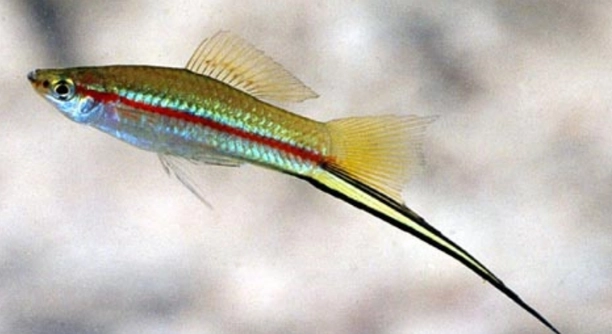
Swordtails are a popular choice for aquarium enthusiasts, but sometimes they don’t grow as expected. This can be frustrating, especially when you’re doing everything right. Understanding the reasons behind their slow growth can help you fix the issue.
Swordtail growth issues often result from water quality, diet, temperature, or genetics. Poor water conditions, an unbalanced diet, or inappropriate temperature can all hinder their growth. Ensuring optimal care will help your swordtails reach their full potential.
By improving these factors, you can support your swordtails’ growth and health. Let’s take a closer look at the common causes and how to fix them for a happier aquarium.
Poor Water Quality Can Slow Growth
Swordtails are very sensitive to water conditions. When the water is too dirty, too acidic, or not properly filtered, it can cause stress. Stress impacts growth and can even lead to health issues. High levels of ammonia, nitrites, or nitrates in the tank water are often the main problem. Swordtails need clean, well-maintained water to thrive.
Keeping your tank clean and monitoring the water quality regularly can solve many growth problems. Make sure to perform partial water changes every week and invest in a good filter. Additionally, test the water parameters using aquarium test kits to ensure they’re within the ideal range.
Also, avoid overfeeding, as uneaten food can quickly pollute the water, affecting your fish’s growth. Make sure your filtration system is sufficient for the size of your tank. It’s an easy step, but essential for your swordtails to stay healthy and grow properly.
Temperature Matters for Growth
Temperature is a key factor in your swordtail’s growth. Swordtails prefer water between 72-79°F (22-26°C). If the temperature is too cold or too hot, it can stunt their growth. Extreme conditions cause stress, slowing their metabolism and development.
Keeping your tank at the right temperature encourages healthy, consistent growth. Investing in a reliable aquarium heater can help maintain a stable environment. It’s especially important during cooler months or in tanks with fluctuating room temperatures. Fish can’t grow properly if they are constantly stressed by temperature changes.
A stable temperature also prevents other issues, such as poor immune function. Swordtails in an unstable environment are more prone to diseases. Maintaining the proper temperature allows your swordtails to grow to their full potential.
Diet and Nutrition Play a Big Role
Swordtails need a balanced diet to grow properly. If they’re not getting the right nutrients, they won’t develop as they should. Make sure to feed them high-quality fish flakes or pellets along with occasional live or frozen food.
Variety is key when it comes to their diet. Swordtails need a mix of proteins, vegetables, and essential vitamins. Feed them twice a day and avoid overfeeding. Leftover food can pollute the tank and harm the water quality. A good feeding schedule ensures they’re getting enough nutrition to grow healthy and strong.
A well-fed swordtail will have vibrant colors and a healthy body, making it easier to notice any growth changes. Proper nutrition supports their immune system, so they can fight off any illnesses and grow without obstacles. Avoid feeding them too much, as that can lead to obesity and stunted growth.
Genetics Can Affect Growth
Sometimes, swordtails just won’t grow as fast due to their genetic makeup. Some fish naturally grow slower or remain smaller than others. This is completely normal, and there’s not much you can do to change it.
However, selecting swordtails from a reputable breeder can help you get fish that have been selectively bred for good growth potential. Keep in mind that some fish may take longer to reach their full size, but they’re still healthy. Patience is important, especially if you’ve noticed slower growth despite doing everything else right.
Genetics can also play a role in the lifespan and size of your swordtail. Some fish may remain on the smaller side for their entire life. Understanding this helps manage expectations and ensures you aren’t worried about natural growth patterns. Genetics is an uncontrollable factor, but it’s good to be aware of it.
Overcrowding Can Stunt Growth
When there are too many fish in one tank, swordtails can’t grow properly. Overcrowding leads to competition for food and space, both of which are essential for healthy growth. It also increases stress levels, which negatively impacts their development.
Make sure your tank isn’t too crowded. Swordtails need room to swim and find food without constant competition. A general guideline is one inch of fish per gallon of water. Overcrowding not only slows growth but can lead to aggression and other health problems among your fish.
Providing more space for each fish encourages growth and ensures that they stay healthy. Consider upgrading your tank size or reducing the number of fish to ensure that your swordtails have the best possible environment.
Tank Conditions Are Key
Tank conditions play a major role in your swordtail’s growth. Factors such as water hardness, pH levels, and oxygen content are all important. If these are out of balance, your swordtail’s growth can be stunted.
Regularly test your water for these factors. Swordtails prefer slightly alkaline water, with a pH between 7.0 and 8.4. They also thrive in moderately hard water. Make adjustments if needed to ensure these conditions stay within the ideal range. Healthy, stable water conditions are vital for supporting your fish’s growth.
Stress from Other Fish
Swordtails can be sensitive to aggressive tankmates. If you’ve got fin-nippers or overly dominant fish in the same tank, your swordtails may experience stress. Stress can drastically affect their growth and health.
Choosing peaceful, compatible tankmates will prevent stress. If aggression arises, consider separating the aggressive fish to reduce tension. A calm tank environment allows your swordtails to grow without the added pressure of dealing with bullying or competition.
FAQ
Why isn’t my swordtail growing despite good care?
If your swordtail isn’t growing as expected, it could be due to any number of factors like water quality, temperature, or diet. Even with proper care, some swordtails naturally grow slower or have genetic limitations. Keep checking the water conditions, ensure a balanced diet, and make sure the tank isn’t overcrowded. Sometimes, slow growth is simply part of the fish’s development.
How often should I feed my swordtail for proper growth?
Feed your swordtail twice a day with a varied diet. Provide a mix of high-quality flakes or pellets, along with occasional live or frozen foods like brine shrimp or daphnia. Avoid overfeeding, as this can pollute the tank and negatively impact water quality. Smaller, more frequent meals are better than large, infrequent ones.
Can swordtails grow too large for my tank?
Swordtails typically grow to about 4 to 5 inches, which is manageable for most home aquariums. However, if they are in an overcrowded or too-small tank, their growth might be stunted. It’s important to ensure they have enough space to swim comfortably. If you plan on keeping several swordtails, a larger tank (at least 20 gallons) is ideal.
What temperature should I keep my tank for optimal swordtail growth?
Swordtails thrive in temperatures between 72-79°F (22-26°C). If the water is too cold or too hot, their metabolism will slow down, which can affect their growth. Investing in a reliable aquarium heater helps maintain a stable environment. Avoid drastic temperature fluctuations, as they can stress the fish.
Do swordtails need a filter for proper growth?
Yes, a filter is essential for maintaining water quality. Swordtails are sensitive to poor water conditions, and a filter helps keep the water clean by removing toxins and debris. A good filter will also promote water circulation, ensuring your fish get enough oxygen. Regular water changes, along with proper filtration, are vital for healthy growth.
What size tank do swordtails need?
Swordtails should be kept in tanks with at least 20 gallons of water. They are active fish that need plenty of space to swim around. A larger tank will also help reduce stress from overcrowding and improve water quality, both of which are important for healthy growth.
Can I keep swordtails with other fish?
Yes, swordtails are generally peaceful and can be kept with other community fish. However, they should not be kept with aggressive or fin-nipping species. Avoid keeping them with large or aggressive fish that may stress or harm them. Peaceful tankmates like tetras, guppies, and corydoras are a good match for swordtails.
Why are my swordtails not breeding?
If your swordtails aren’t breeding, it could be due to improper water conditions or an imbalanced diet. Ensure the water temperature is between 74-80°F (23-27°C), and that the tank is big enough for them to feel comfortable. Additionally, a varied and nutrient-rich diet is essential for encouraging breeding behavior. Stress from aggressive tankmates can also prevent breeding.
How can I tell if my swordtail is healthy?
A healthy swordtail will have bright colors, clear eyes, and a smooth, unblemished body. They should swim actively and show curiosity toward their environment. If you notice sluggish behavior, faded colors, or loss of appetite, it could be a sign of stress or illness. Regular water checks and proper diet are essential for maintaining their health.
Why is my swordtail losing its color?
Swordtails can lose their color for a few reasons, including poor water quality, stress, or an unbalanced diet. If the water is too dirty or the tank is too small, your swordtail may become stressed, which will affect its coloration. Make sure the water parameters are ideal, provide a balanced diet, and ensure a peaceful tank environment.
Can swordtails live with goldfish?
It’s not recommended to keep swordtails with goldfish. While goldfish and swordtails both prefer similar water temperatures, goldfish are typically slow-moving and may stress out your swordtails. Moreover, goldfish are messy eaters and can pollute the water quickly, which could negatively impact your swordtail’s health and growth.
Do swordtails need a specific pH level?
Swordtails prefer a pH level between 7.0 and 8.4. They are fairly adaptable, but consistent water conditions are important for their growth. Extreme shifts in pH can stress your fish, making them more vulnerable to diseases and slowing their growth. Regularly check the pH level to ensure it stays within this range.
Can swordtails get sick from poor water quality?
Yes, poor water quality is one of the main causes of illness in swordtails. High levels of ammonia, nitrites, and nitrates can weaken their immune system, making them more susceptible to infections. Regular water changes, proper filtration, and testing the water will help prevent disease and ensure healthy growth.
Final Thoughts
Swordtails are generally easy to care for, but there are several factors that can affect their growth. Water quality, temperature, diet, and tank conditions all play an important role in helping your swordtail reach its full size. If your swordtail is growing slowly, it’s worth reviewing these elements to make sure everything is optimal. Sometimes, the issue might be something as simple as overcrowding or poor water conditions, which can easily be fixed with a few adjustments.
It’s also important to remember that swordtails, like all fish, have their own natural growth patterns. While some may grow quickly and become quite large, others may take their time or remain smaller throughout their life. Genetics can play a big part in this. As long as you’re providing the best environment possible, there’s no need to worry if your fish isn’t growing at the exact rate you expected. Patience is key, and giving them the right care will result in a healthy, vibrant fish.
Ultimately, the most important thing is ensuring that your swordtail’s environment is stable and supportive. Regular water changes, a balanced diet, and the right tank size can make a big difference. Monitoring the water temperature and maintaining a calm tank environment are also key steps. If you continue to follow these practices, your swordtail will likely thrive and eventually grow to its full potential. With a little attention and care, you’ll be rewarded with a beautiful, healthy fish that will be a joy to watch.

Hello,
If you enjoy the content that we create, please consider saying a "Thank You!" by leaving a tip.
Every little bit helps us continue crafting quality advice that supports the health, happiness, and well-being of pets around the world, for pets of all shapes, sizes, and species.
We really appreciate the kindness and support that you show us!