
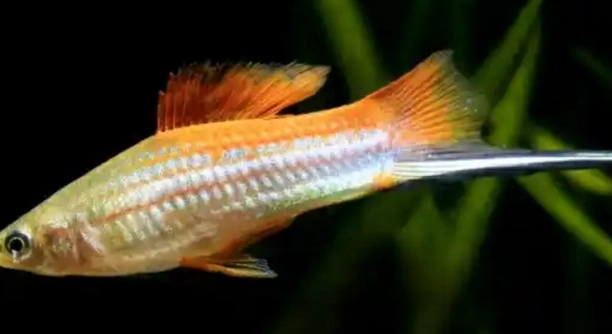
Have you ever noticed your swordtail fry disappear without a trace, leaving you puzzled by their sudden overnight vanishing act?
The primary reason swordtail fry vanish overnight is predation, often by adult fish in the same tank. Other contributing factors include poor hiding spaces, inadequate tank setup, and sudden environmental changes that leave fry vulnerable to harm.
From hiding techniques to tank dynamics, understanding what’s really going on can help you protect your fry and keep them safe.
Adult Fish Eat the Fry
Swordtail fry are small and easy targets for larger fish, especially adults of the same species. Once the lights go out and the tank calms, adult fish may start hunting for food. Fry swimming in open spaces are at high risk. While swordtails are generally peaceful, they don’t show much mercy to their young. It’s not unusual for even well-fed adults to go after fry simply out of instinct. If you don’t separate them or add plenty of hiding spots, there’s a good chance your fry won’t make it through the night. A breeding box or net can help.
Separating the fry or giving them dense cover with plants can make a big difference in survival rates.
If you want your swordtail fry to survive, remove adult fish from the main tank or transfer the fry to a separate space. Live plants like hornwort and guppy grass also give them places to hide. Even if you can’t move the fry, using a breeding trap or mesh divider offers basic protection. Swordtails aren’t picky when they’re feeling opportunistic, so it’s best to be prepared from the moment the fry are born. Keep an eye on them, especially during the first 24 to 48 hours when they’re most vulnerable and defenseless.
Poor Tank Setup and Stress
A bare tank gives fry nowhere to hide, leaving them exposed and scared. Constant stress can impact their health and survival.
When fry are born into a tank without proper coverage or structure, they quickly become visible and vulnerable. Tanks with minimal decorations or low plant density give fry no real place to retreat, especially at night. Stress builds when they feel unsafe or exposed, which weakens their immune systems and makes them easier targets. This stress can also affect how they feed and grow. A proper tank setup doesn’t need to be complicated—just enough cover and structure to create safe zones. Plants like java moss, rocks, and small caves provide shelter while still maintaining good water flow. Dim lighting or floating plants can also help reduce stress. Even small changes can make a difference. A peaceful, well-decorated tank encourages natural behavior and gives your swordtail fry a better shot at staying hidden and healthy.
Sudden Water Changes Shock the Fry
Large or rapid changes in water temperature, pH, or hardness can stress or kill swordtail fry. They’re delicate and need stable conditions to survive. Even well-established tanks can become dangerous if parameters shift too quickly during water changes or after cleaning.
When water conditions swing too far in a short time, fry struggle to adapt. Their gills and immune systems are still developing, making them more vulnerable than adult fish. A sudden drop in temperature can cause shock, while sharp pH changes can burn their gills. Even high nitrates or ammonia spikes can become fatal within hours. To avoid this, use a thermometer when adding new water and always condition it beforehand. Replace water slowly, ideally no more than 25% at a time. Try to match the new water’s temperature and pH to the existing tank. Consistency is key for giving your fry a chance to grow safely.
It’s easy to assume water changes are harmless, especially when the adults seem fine, but fry react differently. Their tolerance range is much smaller, and what seems like a small change can create a deadly environment overnight. If you need to do larger maintenance, try removing the fry temporarily. This avoids exposing them to harsh swings they aren’t equipped to handle. Be careful with tank treatments, too—medications or conditioners that affect the water’s chemistry can cause problems. Keep a test kit nearby and check parameters regularly. Fry survival often comes down to how stable you can keep the water during those first few weeks.
Lack of Oxygen or Poor Water Flow
Without enough oxygen, fry may become weak and disoriented. Poor circulation and stagnant water can limit oxygen levels and increase harmful bacteria.
Swordtail fry need well-oxygenated water to grow properly. If your tank has poor water movement, it’s likely the oxygen isn’t reaching every corner. Fry often swim close to the surface or near filters where they can breathe easier. If you see them gasping or hovering near the top, it may be a sign that your water needs more flow. Sponge filters are great because they provide gentle circulation without risking the fry getting sucked in. Adding an air stone or adjusting your filter’s position can also help improve oxygen distribution. Just make sure the current isn’t too strong, as that can exhaust the fry. Balancing flow and safety keeps their environment healthier, especially in crowded or heavily planted tanks where oxygen can run low overnight.
Inadequate Feeding Leads to Aggression
When food is scarce, adult fish may start to see the fry as an easy snack. Hunger can bring out aggressive behavior even in peaceful species like swordtails, especially in community tanks with competition.
Feeding small amounts throughout the day helps reduce this risk. If fish feel well-fed, they’re less likely to hunt fry.
Nighttime Makes Fry Easy Targets
Swordtail fry become more vulnerable in the dark. Without light, they can’t see danger coming and are easier for adult fish to catch. Fry tend to rest at night, which makes them even more exposed.
The Fry Were Already Weak
Some fry are born underdeveloped or with defects. These fry usually don’t survive long, especially if they can’t swim or feed properly. Even with great care, weak fry often fade quickly.
FAQ
Why do my swordtail fry disappear at night?
Swordtail fry are most vulnerable when the lights go out. At night, adult fish become more active in search of food. Without the protection of light, fry are easier targets for predation. Even if the adults aren’t actively hunting, their natural instincts may lead them to view the fry as prey. To help protect the fry, ensure they have hiding spots like plants or a separate breeding tank. Using a breeding trap or mesh divider can also keep them safe from adult fish.
Can swordtail fry survive with adult swordtails?
While it’s possible, it’s not ideal. Adult swordtails may inadvertently or intentionally eat the fry, especially if they’re hungry. Fry need plenty of hiding spaces to survive, and without these, they’re more likely to become prey. If you can, separate the fry into a tank with more suitable conditions or use a breeding box to keep them safe from adults. Some swordtail breeders recommend separating the fry for at least the first few weeks to increase their chances of survival.
What should I do if I notice my fry are sick or weak?
If your fry seem weak or sick, the first step is to check the water quality. Poor water conditions can quickly stress fry, making them more susceptible to illness. Test for ammonia, nitrites, and nitrates, and ensure the temperature is stable. If everything checks out, it could be a genetic issue, as some fry may not be strong enough to survive. In that case, it’s best to focus on keeping the remaining fry healthy and remove any sick ones. Avoid overfeeding, as uneaten food can foul the water, further stressing the fry.
How can I improve the survival rate of swordtail fry?
To improve survival, create a peaceful environment with plenty of hiding spots. Live plants like java moss or floating plants provide cover, reducing the likelihood of predation. Ensure the tank has good water flow and oxygenation, but avoid strong currents that might exhaust the fry. A sponge filter is a good choice to provide gentle filtration. Regular water changes are crucial, but be sure to acclimate new water gradually to avoid shocking the fry. Additionally, separating the fry from adult fish or using a breeding box can greatly improve survival rates.
Do swordtail fry need special food?
Swordtail fry need tiny, nutrient-rich foods to grow properly. Baby brine shrimp, infusoria, or specially formulated fry food are ideal for them. These foods are small enough for fry to consume and provide the nutrition they need for healthy development. You can feed them multiple times a day in small amounts to ensure they get enough to eat without fouling the water. As they grow, you can start introducing finely crushed flakes or other suitable foods. However, avoid overfeeding, as excess food can lead to water quality issues.
How long does it take for swordtail fry to grow large enough to be safe from adult swordtails?
Swordtail fry typically take around 6 to 8 weeks to reach a size where they are less likely to be eaten by adults. During this period, they are most vulnerable and require protection. Once they grow to about 1 inch or so, they can usually be introduced to the main tank without the risk of predation. However, it’s essential to ensure they are strong enough to handle the tank’s water conditions and other inhabitants. Gradual introduction to the main tank can help reduce stress and prevent sudden aggression.
Should I add any medications or treatments to my fry tank?
Medications should only be added to a fry tank if you notice signs of illness, such as lethargy, discoloration, or unusual swimming patterns. Overuse of medications can stress fry and affect their development, so it’s best to reserve treatments for when they are truly necessary. If you suspect a water quality issue, address that first by testing the parameters and making necessary adjustments. If you do need to treat the tank, choose medications that are safe for fry and follow the recommended dosage carefully to avoid harming them.
What water temperature is best for swordtail fry?
Swordtail fry thrive in water temperatures between 75°F and 80°F (24°C to 27°C). Keeping the water within this range promotes healthy growth and development. If the water is too cold, it can slow their metabolism, leading to weakened immune systems and poor growth. On the other hand, water that’s too warm can stress the fry and increase the risk of disease. Use a reliable aquarium heater to maintain a stable temperature, and regularly check it with a thermometer to ensure consistency.
How can I prevent swordtail fry from disappearing in a community tank?
To prevent swordtail fry from disappearing in a community tank, consider separating them from adult fish until they grow larger. You can use a breeding trap or a separate tank to keep the fry safe. Adding plenty of plants, such as floating plants or dense greenery, can also provide hiding spots for the fry to escape from predators. Keep an eye on the water quality, as poor conditions can weaken the fry, making them more susceptible to predation. Additionally, ensure that the adult fish are well-fed so that they’re less likely to hunt the fry.
Are there any signs that the fry are in danger?
There are a few signs that your swordtail fry may be in danger. If you notice them swimming erratically, gasping at the surface, or staying near the filter or heater, this could indicate poor water quality or lack of oxygen. Another warning sign is if the fry are spending too much time in hiding spots or at the tank’s surface, as this may indicate stress or fear. If you see adult fish chasing or nipping at the fry, that’s also a clear sign of danger. In these cases, take immediate action to adjust the tank conditions or separate the fry to prevent further harm.
Final Thoughts
Caring for swordtail fry requires attention and patience, but with the right approach, you can help them thrive. The key to success is understanding the challenges fry face, such as the risk of predation by adult fish, weak fry, or poor water conditions. To improve their chances of survival, consider separating the fry from the adults until they grow strong enough. Provide hiding places in the tank and ensure the water quality is optimal. Consistent feeding with small amounts of food throughout the day will also help the fry grow at a healthy rate.
In addition to protecting the fry from adult fish, creating a comfortable environment is crucial. This means maintaining stable water conditions, like the right temperature and pH levels, and ensuring proper filtration. Fry are especially sensitive to changes in water quality, so regular water changes and monitoring the tank’s parameters are essential. A sponge filter works well in a fry tank, as it provides gentle filtration without creating strong currents that can stress the fry. Keeping the tank clean and free from excess food will help prevent water quality issues that could harm the fry.
It’s also important to keep an eye on the fry’s health and development. Some fry may not survive due to genetic issues or weakness, and this is a normal part of breeding. However, by providing the best possible care and environment, you can give the remaining fry a much better chance of growing into healthy adult swordtails. As they get older, you can slowly introduce them to the main tank, making sure they’re strong enough to handle the presence of adult fish. With the right steps, your swordtail fry can grow into vibrant, healthy fish.

Hello,
If you enjoy the content that we create, please consider saying a "Thank You!" by leaving a tip.
Every little bit helps us continue crafting quality advice that supports the health, happiness, and well-being of pets around the world, for pets of all shapes, sizes, and species.
We really appreciate the kindness and support that you show us!