
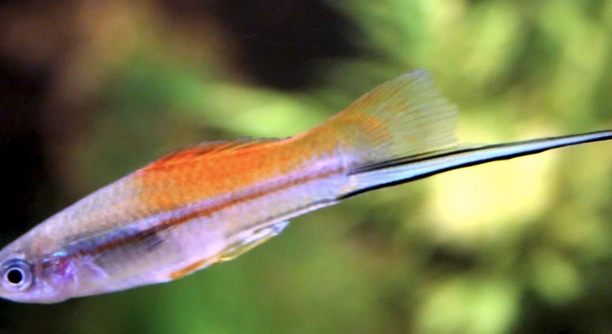
Many aquarium enthusiasts struggle with keeping their swordtail fry healthy and thriving. Unfortunately, it’s not uncommon for these tiny fish to pass away despite your best efforts. This article will explore seven common reasons why swordtail fry may not survive.
The primary cause of swordtail fry death often relates to poor water quality, improper feeding, or unsuitable tank conditions. Fry are delicate and sensitive to changes in their environment, which makes it crucial to maintain stable water parameters and offer proper nutrition.
By understanding the key factors affecting fry survival, you can adjust your care routine to ensure better health and longevity for your swordtail fry.
Poor Water Quality
One of the main reasons swordtail fry don’t survive is poor water quality. Fry are extremely sensitive to changes in their environment. If the water isn’t clean or if the parameters aren’t right, they can quickly become stressed or sick. It’s essential to test your water regularly to check for ammonia, nitrites, and nitrates, as these can be toxic to fry. Even small fluctuations in temperature or pH can be harmful. Make sure to perform regular water changes and avoid overfeeding, which can contribute to poor water conditions.
Maintaining water quality is key to ensuring healthy fry. Regular testing and water changes help prevent toxic build-up and stress on the fish.
Keeping a close eye on your tank’s water quality can make a significant difference in the survival of swordtail fry. They rely on clean, stable water conditions to thrive, so don’t neglect this important aspect of their care. Investing in a reliable filter and a water testing kit will go a long way in maintaining a safe environment.
Improper Feeding
Swordtail fry require the right food to grow and thrive. If they are not fed properly, they may not get the nutrients they need to survive. Tiny fry have small mouths, so it’s important to offer them food that is finely crushed or in liquid form. Overfeeding is also a common mistake. Leftover food can pollute the water, which leads to poor water quality and stress. Stick to feeding small amounts a few times a day to avoid overfeeding.
Choosing the right food for swordtail fry helps them develop properly and stay healthy.
The fry need a high-quality, nutritious diet to grow at a healthy pace. You can offer them specialized fry food, live foods like infusoria, or finely crushed flakes. Be sure to feed them in small amounts and remove any uneaten food promptly. Fry can be picky eaters, so it’s essential to monitor their feeding habits to avoid issues.
Inconsistent Water Temperature
Temperature swings can cause stress and harm swordtail fry. Fry are sensitive to temperature changes, and even a small fluctuation can lead to health problems. Keep the tank temperature stable, ideally between 74°F and 80°F. A reliable heater can help maintain the right temperature and prevent sudden drops or rises.
Swordtail fry are especially vulnerable to sudden temperature changes. If the water is too cold or too hot, they can become lethargic or even die. It’s important to monitor the tank’s temperature regularly. If you notice any fluctuation, try adjusting your heater or find a more stable location for the tank. Fry are delicate and require a stable environment to thrive.
A consistent temperature helps swordtail fry grow properly and stay healthy. Without it, they may become more prone to diseases or stress, which can ultimately lead to their demise. The key is maintaining a range that works for their species and avoiding drastic changes.
Overcrowded Tank
When the tank is too crowded, swordtail fry face increased stress and competition for resources. An overcrowded environment can lead to poor water quality, a lack of oxygen, and more aggressive behavior. It’s important to ensure enough space for fry to grow and thrive.
Overcrowding is one of the most common mistakes when caring for swordtail fry. Fry need space to swim freely and develop. If they’re crammed into a small tank, they might struggle to find food, experience stunted growth, or be exposed to more toxins. It’s crucial to only house a manageable number of fry in the tank at once to ensure they have the resources they need to survive.
As they grow, swordtail fry will require even more space. This means upgrading to a larger tank or transferring them to different tanks as they mature. Keeping the right number of fry in a tank is vital for their long-term health.
Poor Filtration
A weak filtration system can lead to poor water quality, which harms swordtail fry. Fry need clean water to grow and stay healthy, and without proper filtration, toxins like ammonia can build up quickly. Invest in a good filter to ensure water stays clean and safe for the fry.
Even if you perform regular water changes, a subpar filter won’t do enough to maintain clean water. Swordtail fry are especially sensitive to the waste buildup in the tank. A filter that’s too weak for your tank size will only exacerbate the issue. Upgrade your filtration system if needed to keep the water quality optimal.
Good filtration is essential to create a healthy environment for swordtail fry. It helps remove waste, excess food, and other toxins that can accumulate. Without proper filtration, the fry’s chances of survival decrease significantly, making it a necessary investment for any fry tank.
Incompatible Tank Mates
Swordtail fry can easily be injured or eaten by larger tank mates. If the tank has aggressive or predatory fish, it’s likely that the fry will be at risk. It’s essential to choose peaceful, non-predatory tank mates for the safety of your fry.
Certain fish may seem harmless, but when mixed with swordtail fry, they can cause harm. Even some peaceful fish species might view fry as a snack. Always research potential tank mates before adding them to your fry tank. Keep an eye on any interactions, as some fish may become more aggressive over time.
Choosing compatible tank mates is important to ensure the safety and survival of your swordtail fry. The right tank mates should be non-aggressive and unlikely to harm or eat the fry. Pay close attention to the behavior of all fish in the tank.
FAQ
Why are my swordtail fry dying despite good water quality?
There are many factors that could contribute to fry dying, even if the water quality seems perfect. One common issue is water temperature. Swordtail fry are sensitive to small temperature changes, so even if the water is clean, sudden fluctuations can cause stress. Another possible reason is overfeeding or improper feeding. Even if you’re feeding the right food, offering too much or too little can lead to health problems. Lastly, overcrowding can cause stress, competition for food, and poor oxygen levels, all of which may impact fry survival.
How can I tell if my swordtail fry are sick?
Sick fry often exhibit physical symptoms or behavioral changes. You might notice a decrease in activity, discoloration, or visible lesions. If they seem lethargic, swimming in circles, or hiding, these are signs they might be unwell. Additionally, sick fry may struggle to eat or seem weak. It’s important to act quickly and isolate any ill fry to prevent spreading illness to the rest of the tank. Regularly inspecting your fry and knowing their normal behavior can help you catch problems early.
What is the best temperature for swordtail fry?
Swordtail fry thrive in a stable water temperature between 74°F and 80°F. This range mimics their natural habitat and helps them develop and grow at a healthy rate. Extreme temperatures, either too cold or too hot, can stress the fry and even lead to death. It’s important to maintain consistent temperatures in the tank, as fluctuations can weaken the fry’s immune system, making them more susceptible to diseases.
How often should I change the water for swordtail fry?
For swordtail fry, it’s important to change the water regularly to keep the tank clean and healthy. Ideally, you should change 25-30% of the water every 3-4 days. However, if you notice that the water quality is degrading faster due to overfeeding or high stocking levels, you may need to change it more frequently. Always make sure the new water is treated and at the correct temperature before adding it to the tank to avoid stressing the fry.
Can I use a regular filter for swordtail fry?
It’s not recommended to use a regular filter for fry tanks unless it has a sponge attachment to prevent the fry from being sucked into the filter. Fry are small and fragile, so a strong filter can cause injury or even pull them into the system. A sponge filter is a safer option, as it provides filtration without the risk of sucking in the fry. Make sure the filter is appropriate for the tank size and fry’s delicate needs.
What should I feed my swordtail fry?
Swordtail fry need food that is small enough for them to eat. Start by feeding them liquid fry food or finely crushed flakes. As they grow, you can gradually introduce live foods like infusoria, baby brine shrimp, or daphnia. It’s important to feed them multiple small meals throughout the day. Be cautious not to overfeed, as leftover food can degrade water quality and harm the fry.
Can swordtail fry live with adults in the same tank?
While swordtail fry can live in the same tank as adults, they are vulnerable to being eaten if not properly protected. Adult swordtails might view the fry as food, especially if the fry are smaller than the adults. If you want to keep fry and adults together, provide hiding spots like plants or a breeding box to give the fry a safe space to grow. It’s best to separate the fry when they’re old enough to avoid being eaten.
How do I prevent swordtail fry from being eaten?
To prevent swordtail fry from being eaten by adult fish, ensure they have plenty of hiding places. Dense plants, rocks, or decorations can give the fry a place to escape. You can also use a breeding box or mesh divider to separate the fry from adults until they’re large enough to survive on their own. Additionally, removing adult swordtails or other potential predators from the tank temporarily can help increase the fry’s chances of survival.
Is it normal for swordtail fry to grow slowly?
Swordtail fry can grow at different rates, depending on water quality, feeding, and environmental factors. If your fry are growing slowly, it could be due to inadequate food, poor water quality, or incorrect tank conditions. Ensure that you are providing the right diet and maintaining good water quality. If growth remains slow, check for underlying issues such as water temperature or potential stress from overcrowding.
What do I do if my swordtail fry are not eating?
If your swordtail fry are not eating, it could be a sign of stress, poor water conditions, or illness. First, check the water quality and temperature. Make sure the fry have access to the right type of food, and try offering live food like brine shrimp, which may stimulate their appetite. If the issue persists, isolate the fry and monitor their behavior closely. Illness or parasites may be affecting their appetite, so it’s important to address any potential health issues quickly.
Can swordtail fry be raised in a separate tank?
Yes, raising swordtail fry in a separate tank is often a good idea. A dedicated fry tank allows you to control the environment more easily, with better water quality, temperature, and space. It also helps prevent the fry from being eaten by adults and allows you to focus on their growth and development. Make sure to keep the tank clean, monitor water parameters regularly, and provide appropriate food to ensure the fry thrive.
Final Thoughts
Caring for swordtail fry can be a rewarding experience, but it requires attention to detail and patience. These tiny fish are delicate and need a stable environment to thrive. Water quality, temperature, and proper feeding are crucial for their growth and survival. By maintaining a clean tank, keeping the water temperature consistent, and offering the right food, you can significantly improve the chances of your fry reaching adulthood. Remember that even small changes in their environment can lead to stress, so it’s essential to monitor their conditions regularly.
Overcrowding, incompatible tank mates, and poor filtration are common issues that can lead to fry dying. It’s important to make sure your fry have enough space to swim and grow, as well as a filter that isn’t too strong for them. Incompatible fish can pose a serious threat, as some may view the fry as food. A peaceful environment is key to their survival. If you notice any signs of illness or unusual behavior, take action quickly to prevent it from spreading to other fry or tank mates.
While raising swordtail fry can be challenging, the effort is often worth it. Watching the fry grow and develop into adult fish can bring a sense of accomplishment. Keeping their tank clean, maintaining the right conditions, and providing the right diet will go a long way in ensuring their survival. With proper care and attention, your swordtail fry can grow healthy and strong, becoming vibrant adult fish that will thrive in your aquarium for years to come.

Hello,
If you enjoy the content that we create, please consider saying a "Thank You!" by leaving a tip.
Every little bit helps us continue crafting quality advice that supports the health, happiness, and well-being of pets around the world, for pets of all shapes, sizes, and species.
We really appreciate the kindness and support that you show us!