
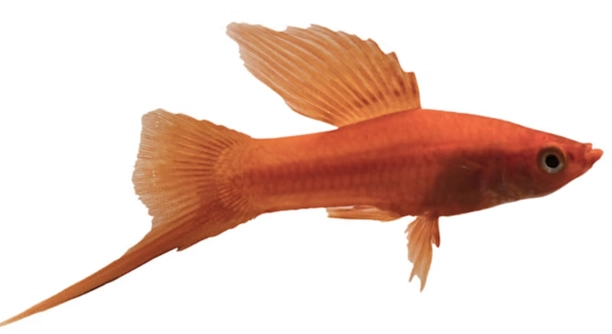
Swordtail fry are often born weak, which can make them more susceptible to health problems. These issues can arise for various reasons, from genetics to environmental factors. Understanding these causes can help improve their survival rate.
The main reasons swordtail fry are born weak stem from genetic factors, poor water conditions, inadequate nutrition, and improper breeding practices. These issues can affect their development and immune system, leaving them vulnerable to illness and poor growth.
By addressing these factors, you can help improve the health of your swordtail fry. Understanding their needs can also ensure better care for future generations.
Poor Water Quality Affects Swordtail Fry
When swordtail fry are born, the water they live in plays a huge role in their health. If the water is dirty or unbalanced, it can cause a lot of stress on the fry, making them weaker. Poor water quality leads to lower oxygen levels, harmful toxins, and an overall uncomfortable environment. These stressors can weaken their immune systems, making them more vulnerable to infections. Ensuring the water is clean and properly maintained is crucial for their survival.
Regular water changes and monitoring parameters like pH, temperature, and ammonia levels can help create a stable environment for the fry.
Investing in a good filtration system is another important step. This will help prevent debris from accumulating and keep the water clear. Always test the water before introducing the fry and make sure the tank conditions are suitable for their delicate bodies. Fry raised in clean, well-maintained water have a much better chance of developing strong immune systems and thriving into healthy adult swordtails.
Inadequate Nutrition for Swordtail Fry
If swordtail fry do not receive the right nutrients, their development is compromised.
Properly feeding the fry with high-quality food ensures they get the vitamins and minerals needed for growth. Fry that are fed improperly, or not enough, can become weak, slow to grow, and more prone to diseases.
Poor Genetics and Breeding Practices
In some cases, swordtail fry are born weak due to poor genetics. This can happen if the parents were not carefully selected for good health. Weak or sickly adults often pass on their poor traits to their offspring. Breeding swordtails with strong, healthy characteristics helps ensure the fry will have a better start in life.
Avoid overbreeding, as this can lead to weakened gene pools. Always choose healthy, robust swordtails for breeding. When selecting mates, look for good body structure, vibrant color, and strong fins. By focusing on genetic strength, you can significantly improve the health of your fry.
Additionally, breeding swordtails too frequently can lead to exhaustion for both the males and females, impacting their ability to produce healthy fry. Overbreeding can result in stress, which affects both the quality of the eggs and the fry’s survival rate. Healthy breeding habits, with enough time between breeding cycles, help prevent these issues. By prioritizing genetic health and responsible breeding practices, you can ensure that swordtail fry are born stronger and more resilient.
Stress from Tank Mates
Tank mates can influence the health of swordtail fry. Aggressive or overly active fish can stress out the fry, making them weaker. In a tank with too many dominant fish, the fry may become stressed, which can harm their growth and immune system. It’s essential to consider tank compatibility when introducing new fish.
For fry to thrive, they need a peaceful environment where they can grow without constant stress. Make sure the tank mates are peaceful and suitable for the fry’s needs. Avoid placing aggressive fish, such as cichlids or large, fast-moving species, in the same tank.
Stress also reduces the fry’s ability to compete for food. If they’re constantly hiding from other fish, they may not get enough nutrition. It’s important to monitor behavior closely and intervene if necessary to ensure the fry have a safe space in the tank. A calm, balanced environment promotes healthy growth and development for swordtail fry.
Overcrowded Tanks Can Harm Fry
An overcrowded tank can lead to unhealthy swordtail fry. Too many fish in a small space cause poor water quality, higher stress, and competition for food. Fry need space to grow without these challenges. Reducing tank density improves the chances of strong, healthy fry.
Monitor tank size relative to the number of fish. If overcrowding becomes an issue, consider upgrading to a larger tank or removing excess fish. Proper stocking density allows fry to thrive without constant competition.
Adequate space also allows the fry to develop better immune systems, as they are not constantly exposed to stress or poor water conditions. A well-balanced tank is key to their survival.
Temperature Fluctuations Affect Fry Health
Swordtail fry are particularly sensitive to sudden temperature changes. Even small fluctuations can cause stress, weakening their immune systems and making them more susceptible to illness. Maintaining a stable temperature within the recommended range is essential for healthy fry development.
Stable water temperature helps maintain proper metabolic rates, allowing the fry to grow at an appropriate pace. Sudden changes can cause shock and hinder their overall growth. Always invest in a reliable heater or cooling system, depending on your climate, to ensure a consistent environment.
Improper Feeding Schedules
Not feeding swordtail fry enough or at the right times can stunt their growth. Fry need frequent, small meals throughout the day to develop properly. Skipping feeding times or offering too little food can lead to malnutrition and weak fry.
FAQ
Why are swordtail fry so weak when they are born?
Swordtail fry can be weak at birth for various reasons. Poor water quality, inadequate nutrition, poor genetics, and even overcrowding can all play a part. These factors can impair the fry’s growth and immune system, leaving them more vulnerable to diseases. Ensuring clean water, a good diet, and healthy breeding practices can improve fry survival.
How can I improve the water quality for my swordtail fry?
To improve water quality, you should regularly change the water to remove excess waste and toxins. Use a reliable filter to keep the water clean, and always monitor parameters like pH, ammonia, and nitrite levels. A water test kit will help you ensure the tank is in optimal condition for your fry.
What should I feed swordtail fry?
Swordtail fry need high-quality, finely crushed foods that are easy for them to consume. Offer foods like finely ground flakes, baby brine shrimp, or micro pellets designed for fry. Feed them small portions multiple times a day to ensure they get the nutrition needed for growth.
How often should I feed swordtail fry?
Fry should be fed small amounts of food several times a day. This ensures they are constantly getting the nutrients they need without overfeeding and polluting the water. A good rule of thumb is to feed them at least four times a day when they’re very young.
Can I keep adult swordtails with fry?
While adult swordtails can be kept in the same tank, it’s best to separate them during the fry’s early stages. Adult swordtails may see the fry as food, especially if they’re hungry or stressed. Using a breeding box or separate tank for fry can improve their chances of survival.
What temperature is ideal for swordtail fry?
Swordtail fry thrive in water temperatures between 75-80°F (24-27°C). Maintaining a stable temperature within this range helps promote healthy growth and development. Avoid sudden temperature fluctuations, as this can cause stress and health issues for the fry.
How can I reduce the stress on swordtail fry?
To reduce stress on your fry, ensure they have a calm environment. Avoid overcrowding the tank, and be mindful of tank mates. Keep the water clean and stable, and provide hiding spots where the fry can feel safe from more dominant fish.
Do swordtail fry need special lighting?
Swordtail fry do not require special lighting but should be kept in a well-lit tank that mimics a natural day-night cycle. Ensure the lighting is not too intense, as this can stress the fry. A standard aquarium light with a timer for about 10-12 hours a day is sufficient.
How can I tell if my swordtail fry are sick?
Signs of sickness in swordtail fry include lethargy, poor swimming, loss of color, or unusual behavior like staying near the surface or hiding. If you notice these signs, check water parameters immediately, as poor water quality is often the cause. Isolation and proper care are essential to help them recover.
When should I move swordtail fry to a separate tank?
Swordtail fry should be moved to a separate tank once they are large enough to fend for themselves and avoid being eaten by adults. Typically, this happens when they reach a size of about 1 inch. At this point, they can begin transitioning to a more diverse diet and a larger space.
Can I breed swordtails in a community tank?
Yes, swordtails can be bred in a community tank, but careful attention is needed to protect the fry. It’s often best to have a breeding box or separate space for the fry, especially since other fish may harm or eat them. Keeping a balance of peaceful tank mates will help.
Why are some swordtail fry born deformed?
Deformed swordtail fry are usually the result of genetic issues or poor breeding practices. Inbreeding or breeding unhealthy adults can lead to deformities in the fry. To prevent this, always select healthy swordtails for breeding and avoid overbreeding.
How long do swordtail fry take to grow?
Swordtail fry typically take about 3-6 months to reach full maturity. However, growth rates can vary depending on factors like water quality, diet, and tank conditions. Providing optimal conditions will ensure they grow faster and more healthily.
What’s the best way to avoid overbreeding swordtails?
To avoid overbreeding, ensure there is a sufficient break between breeding cycles. This will allow the female to rest and regain her strength. Keep an eye on the size of the tank, as overcrowding can happen quickly if breeding is left unchecked. A balanced, responsible approach will help prevent overbreeding.
Do swordtail fry need specific water parameters?
Yes, swordtail fry do best in slightly acidic to neutral water, with a pH level of 7.0 to 7.5. Ammonia and nitrite levels should always be at 0, while nitrate levels should be kept low, ideally under 20 ppm. Stable water temperature, clear water, and proper filtration are also key to their well-being.
Final Thoughts
Taking care of swordtail fry requires attention to detail and understanding their basic needs. The factors that lead to weak fry are mostly preventable, but they do require proactive care. From water quality and proper nutrition to maintaining the right tank environment, each element plays a role in ensuring the fry grow strong and healthy. By keeping the tank clean, monitoring the water conditions, and offering the right foods, you can give your swordtail fry the best start in life. It’s important to pay attention to their environment and be patient with their growth.
Another key factor in raising healthy fry is responsible breeding practices. Overbreeding or breeding unhealthy fish can lead to weak or deformed fry. Ensuring that the parent swordtails are strong and free from disease will help prevent these issues from arising. It’s also essential to allow time for the parents to rest between breeding cycles. Maintaining good genetics in your swordtail population is just as important as providing proper care for the fry. Healthy, robust parents will pass on their good traits, giving the next generation a better chance of thriving.
Finally, creating a peaceful, stress-free environment for your fry is crucial. Tank mates, overcrowding, and even sudden changes in water temperature can all contribute to stress, weakening the fry and slowing their growth. To help the fry grow strong, make sure they have enough space, plenty of food, and a calm environment. By staying mindful of their needs and providing consistent care, you can help ensure that your swordtail fry grow into healthy, vibrant fish.

Hello,
If you enjoy the content that we create, please consider saying a "Thank You!" by leaving a tip.
Every little bit helps us continue crafting quality advice that supports the health, happiness, and well-being of pets around the world, for pets of all shapes, sizes, and species.
We really appreciate the kindness and support that you show us!