
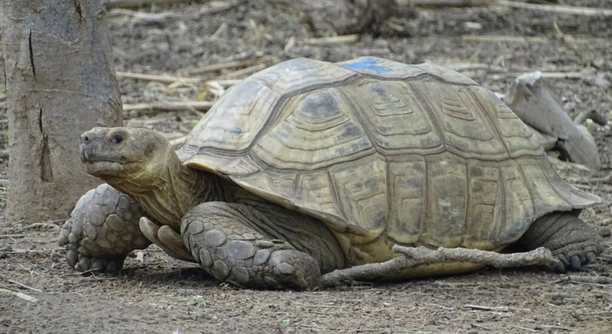
Sulcata tortoises are known for their hearty appetites, but sometimes they stop eating without warning. Understanding the causes behind this change can help ensure their health and well-being. Identifying the issue is the first step in finding a solution.
The most common reasons for a Sulcata tortoise to stop eating suddenly include environmental stress, health issues, improper diet, or changes in temperature. Stress from relocation or incorrect habitat conditions can impact their eating habits and overall behavior.
Identifying the cause behind a Sulcata tortoise’s refusal to eat is crucial for their health. This article will explore the possible reasons and offer practical solutions to help your tortoise return to its normal eating habits.
Stress from Environmental Changes
Stress is one of the most common reasons a Sulcata tortoise may suddenly stop eating. These tortoises thrive in stable environments, and any change can cause significant disruption to their behavior. Relocation, alterations in their habitat, or even changes in the people around them can result in a lack of appetite. A tortoise might feel threatened by unfamiliar surroundings or new stimuli, making them retreat into their shell and avoid food. Changes in lighting, humidity, and temperature can all affect their comfort levels and eating habits.
It’s important to observe how your tortoise reacts to any changes. Even small adjustments, such as new furniture or loud noises, may contribute to stress.
Creating a calm and consistent environment is essential for your Sulcata tortoise. Ensure the enclosure is properly maintained, with stable temperature and humidity. A stress-free atmosphere helps the tortoise feel secure, encouraging it to eat regularly. Consider limiting exposure to sudden disruptions, and give it time to adjust to any new changes.
Health Problems
Health problems can also be a significant factor in reduced appetite. If your tortoise isn’t eating, it’s possible they are suffering from an illness or injury. One of the most common health issues in Sulcata tortoises is respiratory infections. These infections often present themselves with symptoms like nasal discharge, wheezing, or lethargy, leading to a lack of interest in food. Other potential health problems include parasites, vitamin deficiencies, or even issues related to their digestive system.
It’s essential to monitor for any signs of illness, and if you notice unusual behavior, consult a vet who specializes in reptiles. Early diagnosis can help treat the problem before it becomes severe. Your tortoise’s lack of appetite might be a signal that something is wrong internally, so don’t ignore it.
Inappropriate Diet
The diet provided to your Sulcata tortoise plays a critical role in its overall health. If your tortoise is not eating, the food may not be meeting its nutritional needs. Sulcatas need a high-fiber, low-protein diet, with access to hay, grasses, and leafy greens. Fruits and vegetables should be given in moderation, as excessive sugars can affect their health and appetite. Overfeeding treats or providing the wrong types of food can lead to digestive issues, making the tortoise less likely to eat.
Offer a varied diet that includes grasses, dandelion greens, and hay. Ensure you avoid giving them foods like iceberg lettuce or too many high-moisture fruits, which don’t offer the necessary nutrients. A balanced diet not only supports healthy digestion but also helps maintain appetite. Make sure the food is fresh and cut into appropriate sizes for easy consumption.
By adjusting their diet, you can help your Sulcata tortoise get back to eating properly. Regularly check their eating habits and food choices to make sure they are receiving the nutrients they need.
Temperature and Lighting Issues
Incorrect temperature or lighting can cause your Sulcata tortoise to stop eating. Tortoises need a specific temperature range to stay active and maintain a healthy appetite. If the enclosure is too cold or too hot, it can lead to lethargy and a lack of interest in food.
Sulcata tortoises require a basking spot with temperatures around 95°F (35°C) and a cooler area with around 75°F (24°C). The proper lighting is equally important, as UVB light helps them process calcium and regulate their metabolism. Without it, they may refuse to eat due to discomfort or health issues.
To ensure the proper temperature and lighting, use a reliable thermometer and UVB bulb. Regularly check both and adjust as needed. This will help maintain a stable environment, encouraging your tortoise to eat. Consistent warmth and proper lighting are essential for keeping your Sulcata tortoise healthy and active.
Overfeeding or Undereating
Overfeeding or undereating can lead to an unhealthy relationship with food for your Sulcata tortoise. If they’re given too much food, especially high-calcium or high-protein items, they may become overweight, leading to a loss of appetite. On the other hand, not providing enough food can result in lethargy or stress, making your tortoise less likely to eat.
To prevent this, provide a balanced amount of food that matches your tortoise’s size and age. Offering a variety of safe greens, grasses, and hay helps maintain proper nutrition. Avoid overfeeding sugary fruits and vegetables, as they can contribute to obesity and digestive issues.
Finding the right balance is key. If your tortoise continues to refuse food despite maintaining a proper feeding schedule, it could be an indication that something else, like stress or illness, is at play. Keep a consistent feeding routine for optimal health.
Parasites and Infections
Parasites and infections can also cause your Sulcata tortoise to stop eating. Internal parasites like worms or external parasites like mites can lead to discomfort, making it difficult for your tortoise to eat.
If your tortoise seems lethargic, has visible signs of illness, or refuses food, it may be a sign of parasites. A visit to the vet for a fecal exam can help confirm the issue.
Regular vet check-ups and parasite prevention treatments are essential for maintaining your tortoise’s health. Keeping their environment clean and free of parasites is crucial for preventing future issues and promoting a healthy appetite.
Improper Humidity Levels
Incorrect humidity levels can stress your Sulcata tortoise, leading to a loss of appetite. A dry environment can cause dehydration, while excessive humidity can lead to respiratory issues.
Sulcata tortoises require a moderate level of humidity in their habitat, ideally around 30-50%. Proper humidity helps them stay hydrated and digest food effectively. Ensure the humidity level is maintained by using a hygrometer.
Proper humidity control is necessary for overall health. Adjusting the humidity in their habitat can help your tortoise feel more comfortable, encouraging them to eat regularly. Check their environment frequently to ensure it’s ideal for them.
FAQ
Why is my Sulcata tortoise not eating?
There are several reasons why your Sulcata tortoise may not be eating, including stress, health problems, improper diet, or environmental factors like incorrect temperature and humidity. Stress from relocation, a change in habitat, or even new people can cause them to lose interest in food. Health issues like infections or parasites, as well as an unbalanced diet, can also play a role. Ensure that your tortoise has a stable environment with proper lighting, temperature, and humidity. A balanced diet that includes fresh greens and hay is essential for encouraging eating.
How can I tell if my tortoise is sick?
Signs of illness in Sulcata tortoises include lethargy, refusal to eat, nasal discharge, labored breathing, and abnormal stool. If your tortoise is unusually quiet, staying hidden in its shell, or showing any signs of respiratory distress, it may be suffering from an illness. It’s important to consult a reptile vet if you notice these symptoms. A vet will be able to conduct tests and diagnose the issue. Early intervention is crucial for ensuring your tortoise’s recovery.
Can I feed my Sulcata tortoise fruit?
While Sulcata tortoises can eat fruit, it should only be given in moderation. Too much fruit can cause digestive issues and contribute to obesity. Fruits should not be the main component of their diet. Instead, focus on providing high-fiber foods like grasses, hay, and leafy greens. Giving fruit occasionally as a treat is fine, but it should never replace their regular diet.
What is the ideal temperature for my Sulcata tortoise?
Sulcata tortoises need a specific temperature range to stay healthy. The basking area should be between 95°F and 100°F (35°C to 38°C), and the cooler end of the habitat should be around 75°F (24°C). If the temperature is too high or too low, it can stress your tortoise and affect its eating habits. It is important to monitor the temperatures regularly with a thermometer and ensure that the basking area remains warm enough for your tortoise to digest food properly.
How often should I feed my Sulcata tortoise?
Adult Sulcata tortoises typically eat once every two days. However, younger tortoises require more frequent feeding, around once per day, to support their growth. Provide a variety of high-fiber foods, such as grasses, hay, and leafy greens. Ensure that the food is fresh and free from pesticides. A consistent feeding schedule helps regulate their appetite and encourages healthy digestion.
Can I feed my Sulcata tortoise vegetables?
Yes, Sulcata tortoises can eat vegetables, but they should only make up a small portion of their diet. Dark leafy greens, like collard greens, mustard greens, and dandelion greens, are great options. Avoid vegetables like iceberg lettuce, which has little nutritional value. Vegetables should complement the diet, not replace hay and grasses, which are essential for proper digestion.
What should I do if my Sulcata tortoise is not eating for a long time?
If your Sulcata tortoise hasn’t eaten for more than a few days, it’s important to assess its environment and health. Check if the temperature, lighting, and humidity are optimal. Consider whether there have been any changes in its habitat or routine that might have caused stress. If the tortoise still refuses food, consult a veterinarian to rule out any health issues. Prolonged loss of appetite can lead to serious health concerns, so early intervention is crucial.
How do I know if my Sulcata tortoise is dehydrated?
Dehydration in Sulcata tortoises can manifest through symptoms like sunken eyes, dry skin, and a lack of energy. If your tortoise is not drinking water, it may be suffering from dehydration. You can encourage hydration by soaking your tortoise in lukewarm water for 20 to 30 minutes. Ensure the water is shallow enough for them to walk in without submerging their shell. Maintaining proper humidity levels in their habitat is also key to preventing dehydration.
What is the best way to clean my Sulcata tortoise’s habitat?
Regular cleaning of your tortoise’s habitat is essential to prevent bacterial growth and parasites. Clean the enclosure with a mild soap solution or reptile-safe disinfectant. Remove any uneaten food and waste daily. Deep clean the habitat, including substrate and decor, once a week. A clean environment helps prevent health problems and promotes a comfortable living space for your tortoise.
Can stress cause my Sulcata tortoise to stop eating?
Yes, stress is a major factor in a Sulcata tortoise’s refusal to eat. Sudden changes in the environment, such as moving to a new location or having different people in the household, can cause stress. Loud noises, unfamiliar animals, or even a lack of space can contribute to stress, leading to a lack of appetite. To minimize stress, maintain a calm and consistent environment. If you’ve recently made changes, give your tortoise time to adjust.
Final Thoughts
Understanding why your Sulcata tortoise stops eating suddenly can be a bit challenging, but it’s important to consider all possible factors. Environmental conditions, such as incorrect temperature or humidity, can directly impact your tortoise’s appetite. A stable, well-maintained habitat ensures that your tortoise feels comfortable and secure enough to eat. Regularly checking their living space for these factors, along with offering a proper diet, will help keep them healthy. Monitoring their behavior and eating habits will allow you to address any issues early, preventing long-term health problems.
If your Sulcata tortoise continues to refuse food despite proper environmental conditions, it’s crucial to consult a veterinarian. Illnesses, parasites, or stress can all play a role in their loss of appetite. A vet visit can help identify any health problems that may be affecting your tortoise. They can conduct tests, provide treatments, and give you professional advice on how to handle the situation. Timely medical attention is essential to prevent further complications and ensure your tortoise’s overall well-being.
In conclusion, taking care of your Sulcata tortoise requires attention to detail, patience, and regular monitoring. By providing the right environment, diet, and care, you can minimize the chances of them refusing food. It’s important to stay observant and make changes when necessary. If in doubt, don’t hesitate to seek help from a veterinarian to ensure the health and happiness of your tortoise.

Hello,
If you enjoy the content that we create, please consider saying a "Thank You!" by leaving a tip.
Every little bit helps us continue crafting quality advice that supports the health, happiness, and well-being of pets around the world, for pets of all shapes, sizes, and species.
We really appreciate the kindness and support that you show us!