
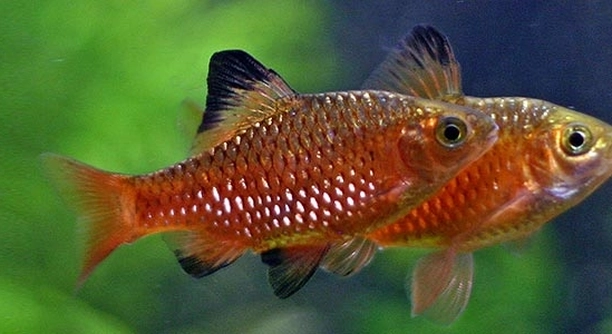
Rosy barbs often change their swimming patterns, sometimes suddenly moving upward in their tank. This behavior can catch the attention of fish keepers who want to understand what might be causing it and if it signals a problem with their fish.
Sudden upward swimming in rosy barbs is typically linked to factors such as changes in water quality, oxygen levels, feeding habits, stress, temperature fluctuations, or health issues. Each of these elements can influence their natural behavior and swimming patterns.
Recognizing the reasons behind this action helps maintain a healthy environment and supports the well-being of your rosy barbs in their aquatic home.
Water Quality Changes
Water quality is a major factor affecting rosy barbs’ behavior. When water parameters such as pH, ammonia, nitrite, or nitrate levels shift suddenly, fish may react by swimming upward. Poor water conditions reduce oxygen availability near the tank bottom, causing the fish to seek fresher water near the surface. These changes can happen due to overfeeding, infrequent water changes, or overcrowding. Regular testing and maintenance are essential to keep water conditions stable. Sudden swings in water quality stress the fish and may lead to illness if not addressed promptly. Observing your tank’s environment closely helps prevent unexpected behavior and supports healthier fish.
Maintaining stable water conditions keeps rosy barbs comfortable and reduces sudden upward swimming caused by low oxygen or toxic buildup.
Providing a clean and balanced environment improves fish health and behavior. It also ensures your tank remains a pleasant, safe habitat for all aquatic life. Regular water changes and monitoring prevent problems before they arise. Using a reliable test kit allows quick identification of harmful shifts. Clear water with balanced parameters supports natural swimming patterns and keeps rosy barbs calm and active.
Oxygen Levels and Aeration
Low oxygen levels in the tank prompt rosy barbs to swim near the surface where oxygen concentration is higher. Proper aeration is important to maintain oxygen balance. Using air stones, filters that agitate the surface, or live plants can help keep oxygen levels stable. Without enough oxygen, fish may become restless or gasp at the surface, which can lead to health issues over time. Ensuring good water circulation and avoiding overcrowding also helps keep oxygen plentiful for all tank inhabitants. Regularly checking aeration equipment ensures it functions correctly, supporting your fish’s well-being.
Feeding Habits
Rosy barbs often swim upward when they expect food. They learn to associate the water surface with feeding times. This behavior is natural and not usually a cause for concern.
Feeding patterns can influence how rosy barbs behave throughout the day. If they are fed at the surface regularly, they will swim upward in anticipation. Uneaten food that remains on the surface can also attract them. Overfeeding or inconsistent feeding schedules might lead to excessive surface activity. Adjusting feeding amounts and times can help balance their behavior. It’s important to offer food appropriate for their size and nutritional needs to keep them healthy.
Fish that swim upward frequently for food might be signaling hunger or reacting to a feeding routine. Watching their feeding habits closely can reveal whether the behavior is a simple response or a sign of an underlying issue. Offering varied foods at proper intervals reduces stress and keeps their natural behaviors balanced.
Stress and Tank Environment
Stress causes noticeable changes in rosy barbs’ swimming behavior, including moving upward suddenly. Factors like overcrowding, sudden loud noises, or new tankmates contribute to stress. These conditions can make fish feel unsafe.
Stress affects fish health significantly. When stressed, rosy barbs may swim erratically, hide, or become more active near the surface. Poor tank setup with insufficient hiding spots or sharp decorations adds to their discomfort. It’s important to maintain a calm environment and stable tank conditions. Gradual introductions of new fish and avoiding sudden changes reduce stress. Regular observation helps identify stress signs early, allowing prompt adjustments to improve their well-being and prevent long-term health problems.
Temperature Fluctuations
Rosy barbs are sensitive to sudden changes in water temperature. Rapid shifts can cause discomfort and altered swimming patterns.
Maintaining a stable temperature is key. Use a reliable heater and thermometer to keep conditions consistent. Avoid placing the tank near drafts or heat sources that cause fluctuations.
Health Issues
Illness can make rosy barbs swim upward as they seek oxygen or relief from discomfort. Signs like lethargy, clamped fins, or spots may accompany this behavior. Early detection and treatment improve recovery chances.
Tank Size and Space
Limited space can stress rosy barbs, causing unusual swimming behaviors. Providing an adequately sized tank with enough room to swim freely supports their natural activity and health.
FAQ
Why do rosy barbs suddenly swim upward?
Rosy barbs swim upward mainly due to changes in water quality, oxygen levels, feeding habits, stress, temperature shifts, or health issues. These factors affect their comfort and natural behavior, prompting them to seek better conditions near the water surface.
How can I improve oxygen levels in my tank?
Improving oxygen levels involves increasing water surface agitation. Use air stones, filters that circulate water well, or live plants that produce oxygen. Avoid overcrowding to reduce oxygen consumption. Regular water changes also keep oxygen levels stable.
Is sudden upward swimming always a sign of illness?
Not always. Sometimes it’s normal behavior related to feeding or environmental changes. However, if accompanied by other symptoms like lethargy, clamped fins, or spots, it may indicate illness. Observing other signs helps determine if medical attention is needed.
Can feeding habits cause this behavior?
Yes. Rosy barbs associate the surface with feeding. If food is given at the top regularly, they will swim upward in anticipation. Overfeeding or leftover food on the surface can also increase this activity.
What tank conditions help reduce stress for rosy barbs?
A calm, stable environment with proper tank size, hiding spots, and compatible tankmates reduces stress. Avoid sudden noises or abrupt changes. Gradual introductions of new fish and maintaining water parameters within ideal ranges keep them comfortable.
How often should I check water quality?
Test water parameters weekly for ammonia, nitrites, nitrates, and pH levels. More frequent testing is needed if you notice behavioral changes or after adding new fish. Maintaining good water quality is essential for healthy rosy barbs.
What is the ideal water temperature for rosy barbs?
Rosy barbs thrive best between 64°F and 72°F (18°C to 22°C). Sudden temperature changes outside this range can stress them. Use a heater and thermometer to maintain consistent temperature.
Can tank size affect swimming behavior?
Yes. Rosy barbs need enough space to swim freely. A tank that is too small can cause stress and lead to unusual behaviors like swimming upward frequently. A minimum of 20 gallons is recommended for a small group.
How do I know if my rosy barb is sick?
Signs of illness include lethargy, loss of appetite, clamped fins, unusual spots or discoloration, and erratic swimming. If these symptoms appear along with upward swimming, seek advice on appropriate treatment quickly.
What should I do if I notice sudden changes in behavior?
First, check water quality and temperature. Make sure feeding is appropriate and the environment is stable. Observe for signs of illness or stress. Taking quick action by adjusting tank conditions or consulting a specialist can prevent worsening problems.
Rosy barbs are lively fish that can sometimes show sudden changes in behavior, such as swimming upward unexpectedly. This behavior often points to changes in their environment or health. Factors like water quality, oxygen levels, feeding habits, stress, temperature shifts, and illness all play a role. Understanding these influences helps in keeping rosy barbs healthy and comfortable in their tank. Observing their behavior closely and maintaining a stable environment is key to preventing unwanted surprises.
Proper care for rosy barbs means regular monitoring of tank conditions. Keeping the water clean and balanced supports their natural habits. Maintaining consistent temperature and oxygen levels creates a comfortable space for them to thrive. Feeding them the right amount of food at regular times also helps reduce erratic swimming caused by hunger or overfeeding. Stress should be minimized by providing enough space and hiding spots, along with calm surroundings. When signs of illness appear, early detection and treatment are important to ensure a good recovery.
Taking the time to learn about rosy barbs and their needs can improve both their health and your experience as a fish keeper. Small changes in care routines can make a big difference in their behavior. Staying attentive to their environment and making adjustments when necessary will keep your rosy barbs swimming happily. Overall, a well-maintained tank and thoughtful care create the best setting for these colorful fish to flourish.

Hello,
If you enjoy the content that we create, please consider saying a "Thank You!" by leaving a tip.
Every little bit helps us continue crafting quality advice that supports the health, happiness, and well-being of pets around the world, for pets of all shapes, sizes, and species.
We really appreciate the kindness and support that you show us!