
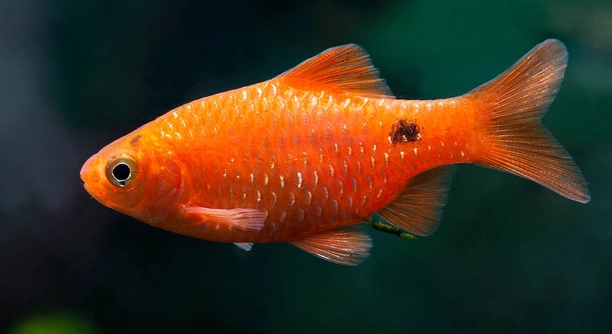
Are your rosy barbs turning their noses up at food, leaving you puzzled and a little concerned? You’re not alone—this is a common issue for many fish keepers. Let’s explore what might be causing it.
Rosy barbs may refuse to eat due to stress, poor water quality, unsuitable food, illness, or changes in their environment. Addressing these issues promptly is essential for maintaining their health and encouraging normal feeding behavior.
From identifying possible stressors to adjusting tank conditions and diet, learning these seven reasons will help you better care for your fish and restore their appetite.
Stress from Recent Changes
Rosy barbs can stop eating when they feel stressed, especially after recent changes in their environment. Moving to a new tank, adding new tank mates, or rearranging decorations can all affect their sense of safety. Fish are sensitive to even small changes, and stress can quickly lead to a loss of appetite. Watch for other signs like hiding more often, dull colors, or fast swimming. Give your fish a stable routine and make changes slowly when possible. Let them settle for a few days before expecting normal feeding to return. Clean, quiet surroundings help them feel safe again.
Allow your rosy barbs some time to adjust. Stability can make a big difference in helping them feel more secure and ready to eat again.
If the stress is short-term, like a recent tank move, things should improve with time. Limit loud noises near the tank and avoid tapping on the glass. Stick to regular feeding times and keep lighting consistent. If you’ve added new fish, make sure they’re not aggressive or outcompeting the rosy barbs during feeding. A hiding spot or plant can also help reduce anxiety. Keeping the tank peaceful is key to encouraging a stressed fish to return to its normal eating habits.
Poor Water Quality
Dirty or unbalanced water is one of the top reasons rosy barbs lose interest in food. Poor water conditions affect their overall health and behavior.
To keep rosy barbs healthy and feeding well, check the water regularly. Ammonia, nitrites, and nitrates should all be within safe levels. High levels of waste can irritate their gills, weaken their immune system, and cause digestive issues. A basic water testing kit will help you track these parameters. Regular water changes—around 25% each week—can keep the tank clean. Also, be sure the filter is working properly and not clogged. Uneaten food and waste can quickly pollute the water, so avoid overfeeding. Keep an eye on the water temperature too. Rosy barbs prefer a range between 72–80°F. Water that’s too hot or too cold can make them uncomfortable and less interested in eating. Clean water doesn’t just help them eat better—it keeps them active and less likely to get sick.
Illness or Parasites
When rosy barbs refuse food, illness is often the reason. Internal parasites, infections, or digestive problems can lower their appetite. Watch for other signs like white stringy poop, bloating, or unusual swimming patterns.
If you suspect illness, isolate the affected fish in a separate tank if possible. Use a broad-spectrum medication suited for internal parasites or bacterial infections, depending on symptoms. Clean the tank and remove any uneaten food to prevent worsening water conditions. Try feeding medicated food, as it can help treat internal problems more directly. A loss of appetite lasting more than a few days often signals a health issue. Don’t delay treatment, especially if multiple fish show symptoms. Keep the water warm and clean to support recovery. Observation is key—any change in behavior, even small, can be important. Illness-related loss of appetite usually needs more than just environmental fixes.
In some cases, rosy barbs may eat but then spit the food out. This can point to a mouth or gill infection that makes chewing painful. Look for red or swollen gills and frayed fins as warning signs. These can be early indicators of conditions like gill flukes or bacterial gill disease. If you notice scratching against tank surfaces, this can also mean irritation caused by parasites. A proper diagnosis helps choose the right treatment—some cases need salt baths or specific medications. Make sure to follow dosage instructions carefully and complete the full treatment even if the fish appears better. Early treatment leads to better outcomes and helps your rosy barb eat normally again.
Unfamiliar or Inappropriate Food
Rosy barbs may skip meals simply because the food isn’t right. They can be picky, especially if they’re new to their environment or used to a different diet.
Try offering a mix of food types to see what they respond to best. Flakes, pellets, frozen bloodworms, and blanched vegetables like zucchini or spinach are good options. Some rosy barbs prefer smaller pieces, so crushing larger pellets might help. Watch closely during feeding—if they ignore the food completely, switch to something else. Avoid giving only one type of food every day. Rotating their diet makes them more willing to eat and ensures they get enough nutrients. A varied diet also prevents boredom and helps support their immune system. Stick with high-quality brands that list protein-rich ingredients like fish meal or shrimp at the top. Low-quality fillers are often rejected and can affect digestion in the long run.
Overfeeding or Feeding at the Wrong Time
Rosy barbs may stop eating if they’re already full. Feeding too often or giving large portions can lead to disinterest in food. Stick to small amounts once or twice a day, and remove leftovers after a few minutes.
Feeding when the tank lights are off or during high activity around the tank can also cause them to ignore food. Choose a quiet time when they’re active and alert. Consistency in feeding time helps them form a routine, making them more likely to eat regularly without hesitation.
Aggression or Competition in the Tank
Rosy barbs might not eat if they feel threatened by aggressive tank mates or dominant fish that outcompete them for food. Fast eaters can snatch food before timid fish get a chance. Try spreading food across the tank or using feeding rings. Separating aggressive fish may also help.
Old or Spoiled Food
If food smells off, is past its expiration date, or has been left out too long, rosy barbs may reject it. Always store fish food in a cool, dry place and check freshness before feeding. Fresh, high-quality food encourages better eating and supports their overall health.
FAQ
How long can rosy barbs go without eating?
Healthy rosy barbs can usually go without food for about 3 to 7 days, though this depends on their age, size, and health condition. While short fasting periods won’t harm them, it’s not ideal to skip feedings regularly. If they’re refusing food for more than a few days, something may be wrong. Young or sick fish have lower energy reserves and should not go without food for more than a couple of days. Always monitor their behavior and physical condition during these periods.
Can stress really stop them from eating?
Yes, stress is one of the most common reasons fish lose interest in food. Rosy barbs may become stressed by sudden changes, like a new tank, new fish, or rearranged decorations. Loud noises and frequent movement near the tank can also add to their stress. Stress affects their immune system and can even make them more prone to illness. Giving them time to adjust, keeping the environment calm, and offering hiding places helps reduce stress and improves their appetite.
Should I feed them live food to encourage eating?
Live food can be a good option if your rosy barbs are not responding to dry food. Brine shrimp, daphnia, or mosquito larvae are often more tempting and closer to what they’d eat in the wild. However, be careful about the source—live food can carry parasites or bacteria. Frozen or freeze-dried versions are safer and still quite appealing. Introduce it slowly to see how they react, and avoid making it the only part of their diet to prevent nutritional imbalance.
How do I know if the food I’m giving is the problem?
Watch their reaction closely during feeding. If the food sinks too quickly, they may miss it. If they take it in and spit it out, the texture or size might be wrong. Old food also loses its smell and taste, which makes it less appealing. Try switching brands or offering a different type—flakes, mini pellets, or soaked freeze-dried foods. If they suddenly stop eating a food they previously liked, it might have gone stale. Always check the expiration date and smell before feeding.
Is it okay to skip feeding for one day?
Yes, it’s generally fine to skip one day of feeding, especially if you’ve accidentally overfed them the day before. In fact, a day of fasting can help regulate their digestion and keep the tank cleaner. Just make sure it’s not a regular habit and that your fish are otherwise healthy and active. Young fish need more consistent feeding, so avoid skipping meals too often with them.
How can I stop other fish from taking their food?
Spread the food across different areas of the tank instead of placing it in one spot. This gives shy or slower fish like rosy barbs more chances to grab food. Use feeding rings or sinking food options if top-dwelling fish are dominating the surface. If the problem continues, observe interactions closely and consider separating aggressive or dominant tank mates. It might also help to feed small amounts more often so everyone gets a fair share.
What if they only eat one type of food?
It’s common for some fish to show preference, but a varied diet is important for health. Slowly introduce new foods alongside their favorite to help them adjust. Offer a tiny piece of something new with familiar food and gradually increase the portion. If they keep rejecting it, try preparing it differently—soak dry food, crush larger pieces, or mix it with a food they already like. It may take a few tries, but most rosy barbs will eventually accept variety.
Do rosy barbs eat vegetables?
Yes, they do. Blanched vegetables like zucchini, spinach, or peas are great additions to their diet. These help with digestion and give them important nutrients. Make sure to soften the vegetables by boiling or steaming them briefly. Cut them into small pieces so they’re easy to eat, and remove leftovers after a few hours to keep the tank clean. You can include vegetables once or twice a week as a healthy supplement to their main diet.
Can water temperature affect their appetite?
Absolutely. If the water is too cold or too warm, it can slow down their metabolism or make them uncomfortable. Rosy barbs thrive in water temperatures between 72–80°F. Sudden changes can shock them and reduce appetite. Always use a reliable aquarium heater and thermometer to keep the temperature steady. Avoid placing the tank near windows or vents where temperatures fluctuate.
When should I be concerned about not eating?
If your rosy barb hasn’t eaten for more than three days and shows other signs like hiding, dull colors, bloating, or strange swimming, it’s time to act. Start by checking water parameters, then look at food type, tank dynamics, and potential signs of illness. If nothing improves after addressing those areas, consult with an aquarium specialist or a vet who works with fish. Catching problems early can make treatment easier and more effective.
Final Thoughts
Feeding issues with rosy barbs can feel frustrating, but most of the time, the cause is simple and fixable. These fish are generally active and curious, so when they stop eating, it’s often their way of reacting to something off in their environment. Stress, poor water quality, or even a change in their routine can lead them to ignore food. It’s important to stay calm and observe closely. Small changes, like cleaning the tank or switching the type of food, often make a big difference. Pay attention to how they behave during feeding times and throughout the day.
Sticking to a regular routine helps rosy barbs feel secure and more willing to eat. That includes consistent feeding times, a stable tank setup, and clean, well-filtered water. Avoid sudden changes unless necessary, and always test the water when something seems off. If you need to add new fish or rearrange the tank, try doing it gradually. Choosing quality food, offering variety, and watching out for signs of illness can also improve their appetite and overall health. If they continue refusing food, don’t wait too long—rule out health issues and make sure they’re not being bullied or outcompeted by other fish in the tank.
Caring for rosy barbs means being observant and making small adjustments when needed. While it’s normal for them to skip a meal now and then, extended periods without eating shouldn’t be ignored. Creating a calm and balanced tank environment will support not just their feeding habits but also their long-term well-being. With the right care and attention, they usually return to eating and stay active, colorful, and healthy. The more you learn to understand their signals, the easier it becomes to spot and fix problems before they grow. Even small changes in behavior can tell you a lot about what they need.

Hello,
If you enjoy the content that we create, please consider saying a "Thank You!" by leaving a tip.
Every little bit helps us continue crafting quality advice that supports the health, happiness, and well-being of pets around the world, for pets of all shapes, sizes, and species.
We really appreciate the kindness and support that you show us!