
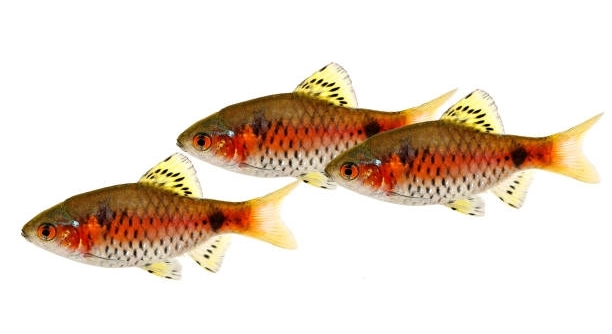
Do your rosy barbs seem less interested in the plants you’ve added to their tank, even when everything seems right?
Rosy barbs might avoid plants due to a combination of behavioral tendencies, environmental conditions, and individual preferences. Factors such as plant type, tank layout, water quality, and the fish’s activity level can significantly influence their interaction with aquarium plants.
Learning what drives these behaviors can help you create a more inviting, well-balanced tank that suits both your fish and your plants.
Some Plants Just Aren’t Appealing to Them
Rosy barbs are known for being active swimmers, and they often prefer open space over dense vegetation. Some plant species simply don’t match their preferences. For instance, broad-leaved or slow-moving plants may not offer much interest or stimulation for these fish. Additionally, certain textures or appearances can discourage interaction. If a plant doesn’t move with the water flow or if it has stiff, thick leaves, the barbs might ignore it entirely. Bright lighting, which is often used to grow aquarium plants, can also cause rosy barbs to retreat to shaded areas, limiting their plant interaction. In many cases, the plant isn’t necessarily bad—it’s just not compatible with the natural behavior of this species. Picking plants that sway gently or mimic the feel of natural aquatic grass can increase their curiosity and engagement. Understanding their preferences helps avoid frustration when selecting greenery for your tank.
Some rosy barbs may ignore certain plants simply because they aren’t stimulating or comfortable to swim around.
Try adding fast-growing stem plants like hornwort or water wisteria. These tend to move more with the water and create the flowing, natural environment rosy barbs seem to enjoy. These plants also provide a good balance of structure and swimming room, which can encourage more interaction.
Overcrowded Tanks Leave Little Room
When too many decorations or plants are packed into the tank, it limits the open space rosy barbs prefer. They need room to swim freely and don’t do well in cluttered environments.
Rosy barbs are a highly active species, often requiring larger swimming areas than more sedentary fish. If your tank is filled with too many plants, rocks, or artificial decorations, they may avoid these areas altogether. Plants growing too thick can also disrupt water circulation and reduce oxygen in certain parts of the tank, creating spaces the fish may not enjoy. Overcrowded layouts can make them feel confined, leading them to stick to the middle or upper regions of the tank where there’s more space. This behavior can easily be mistaken for a dislike of plants when it’s really a response to poor layout. A balanced tank should have both open areas and light planting, especially around the edges. Spacing out plants allows rosy barbs to investigate them naturally without sacrificing their need to move freely.
Poor Water Quality Changes Their Behavior
When water conditions aren’t stable, rosy barbs often avoid areas of the tank where the discomfort is strongest—this includes planted sections. Poor quality can make them restless, and they’ll usually seek out cleaner, more comfortable zones.
Water quality plays a big role in how rosy barbs interact with their surroundings. High levels of ammonia, nitrite, or nitrate can irritate their gills and skin, leading them to avoid the bottom of the tank or densely planted areas where water circulation may be poor. A drop in oxygen levels, especially at night when plants consume oxygen, can also cause avoidance. If your barbs hang out at the top of the tank or act skittish near plants, it may be time to test your water. Regular maintenance, including water changes and proper filtration, is key to keeping conditions balanced and safe for your fish.
Even if the plants are healthy, poor water circulation around them can lead to low-oxygen pockets that fish won’t want to swim through. Dead plant matter can also decay and add to waste levels, further impacting water quality. Keeping plants trimmed and removing any debris can help maintain a cleaner environment, encouraging your rosy barbs to stay more active near the plants.
They Prefer Open, Active Areas
Rosy barbs are active and fast swimmers. They naturally prefer open areas where they can dart around freely. If the tank layout has too many plants blocking movement, they’ll stay in the clearer sections instead of pushing through dense growth.
This species tends to follow a pattern of constant motion, often swimming in the middle or upper regions of the tank. They aren’t shy, but they dislike feeling restricted. While some fish enjoy weaving through thick plants, rosy barbs often see that as an obstacle. If your tank design doesn’t offer enough open space, especially near the front or center, they’ll stick to the paths that allow fast, smooth movement. It’s not that they dislike plants—it’s that they prioritize freedom of movement. Spacing out plants or keeping denser growth near the back of the tank gives them space to swim naturally while still letting you enjoy the look of live greenery.
Lighting Can Make a Difference
Bright lights used to support plant growth can sometimes make rosy barbs uncomfortable. They may avoid well-lit areas, especially if there’s little shade or hiding spots nearby. Some fish are more sensitive and prefer lower lighting throughout the day.
If your lighting runs for long hours without dimming, it might create an unnatural environment for the fish. Rosy barbs come from shaded streams and rivers in the wild, so harsh lighting can feel stressful. Adding floating plants or adjusting the light cycle can make them more comfortable near planted areas.
Tankmates May Influence Their Behavior
Rosy barbs are generally peaceful, but if more aggressive or territorial fish share the tank, they might stay away from certain areas—especially dense plant zones. Some tankmates may chase them into the open, making the plants feel less safe over time.
Temperature and Flow Matter
Cooler water or strong water currents near planted areas can affect where rosy barbs choose to swim. They’ll often stick to parts of the tank that feel more stable and comfortable, avoiding places where the flow is too strong or the temperature slightly off.
Why do rosy barbs nibble on some plants but ignore others?
Rosy barbs may nibble on certain plants due to texture or taste, but often they ignore others because the plants don’t feel natural or appealing to them. Soft, tender leaves are more likely to be nibbled than thick or waxy ones. Some plants also release chemicals that deter fish from eating them. This selective nibbling is normal and can vary from fish to fish. If your barbs nibble a lot, it might be because they are looking for extra nutrients or simply exploring their environment.
Can poor water conditions make rosy barbs avoid plants?
Yes, poor water quality can cause rosy barbs to avoid plants and other parts of the tank. High levels of toxins like ammonia or nitrite make fish stressed and uncomfortable, so they tend to stay in safer, cleaner areas. Plants that grow densely might reduce water circulation and oxygen levels, making the area less inviting. Keeping the tank clean and well-maintained helps fish feel secure and encourages them to explore plants.
Do rosy barbs need a lot of swimming space?
Absolutely. Rosy barbs are active swimmers that need plenty of open space. If the tank is overcrowded with plants or decorations, they might avoid those areas and stick to open spots. This is a natural preference, as they need room to dart around and stay active. Having a balanced tank layout with both plants and clear swimming space helps keep them happy and healthy.
How does lighting affect rosy barbs’ behavior toward plants?
Strong, bright lighting can make rosy barbs uncomfortable, especially if it shines directly on the plants with no shaded spots nearby. These fish come from shaded natural environments, so harsh lighting can cause them to avoid the plants and hide in darker areas. Adjusting the light intensity or adding floating plants can create softer lighting and encourage more interaction with planted zones.
Can tankmates influence how rosy barbs interact with plants?
Yes, other fish in the tank can influence where rosy barbs choose to swim and interact. Aggressive or territorial tankmates may chase or intimidate them, pushing them away from certain areas, including planted spots. Rosy barbs tend to avoid conflict by staying in open water or safer areas. Keeping compatible tankmates reduces stress and encourages natural behavior around plants.
What plants are best for a tank with rosy barbs?
Fast-growing stem plants like hornwort, water wisteria, and floating plants usually work well. These plants sway with the current, creating a more natural and inviting environment. Avoid thick-leaved or rigid plants, as rosy barbs may ignore or damage them. Choose plants that provide some cover but don’t overcrowd the tank, keeping enough swimming space open.
Do rosy barbs eat plants? Should I worry about my aquarium plants?
Rosy barbs may occasionally nibble on plants, especially soft-leaved ones, but they generally don’t destroy them. They are more likely to sample plants out of curiosity or for extra nutrients rather than constant feeding. If you notice heavy damage, it may be due to hunger or lack of proper diet. Feeding a balanced diet can reduce plant nibbling.
How often should I clean my tank to keep rosy barbs comfortable near plants?
Regular tank maintenance is key. Weekly water changes of 20-30% help keep water quality high and reduce toxins. Cleaning the substrate and removing dead plant matter prevents decay and poor water conditions. Good filtration and water flow also support healthy plants and comfortable swimming areas for the fish. Consistent care encourages rosy barbs to explore and enjoy planted sections.
Why do rosy barbs avoid plants even when the tank is well-maintained?
Sometimes it’s simply a matter of personal preference or natural behavior. Rosy barbs are more comfortable in open water, so they may avoid dense or stiff plants even in ideal conditions. It doesn’t always mean something is wrong. Adjusting the type of plants or rearranging the tank layout can make a difference.
Can water temperature affect how rosy barbs interact with plants?
Yes, temperature impacts their activity and comfort. Rosy barbs prefer moderate temperatures around 68-74°F (20-23°C). Cooler or uneven temperatures near plant clusters, caused by poor flow or lighting, can lead to avoidance. Maintaining a stable temperature with gentle water movement encourages natural swimming patterns and plant exploration.
Rosy barbs are active fish that have specific preferences when it comes to their environment, including how they interact with plants in their tank. They often avoid plants for reasons related to their natural behavior, tank setup, water quality, and lighting conditions. Understanding these factors can help aquarium keepers create a better home for their fish. It’s important to remember that rosy barbs don’t always dislike plants; sometimes, the plants or the tank conditions just don’t match what the fish need or expect. Recognizing this can reduce frustration when you see your fish staying away from planted areas.
Plants are a valuable part of an aquarium because they help improve water quality, provide shelter, and add to the tank’s overall look. However, not every plant is suitable for rosy barbs. These fish prefer plants that move gently with the water, such as hornwort or water wisteria, rather than stiff or thick-leaved varieties. The layout of the tank matters too. Rosy barbs need open space to swim and may avoid areas that feel crowded or blocked by dense plants. Making sure there is a good balance between plants and open swimming room can keep the fish more active and comfortable. It is also helpful to monitor water conditions regularly, as poor water quality can cause fish to avoid plants or certain parts of the tank.
Creating an environment that fits the needs of your rosy barbs involves observing their behavior and adjusting the tank accordingly. This might mean changing the types of plants you use, rearranging the tank layout, or improving water quality through regular maintenance. Lighting and tankmates also play important roles in how comfortable your fish feel around plants. By paying attention to these details and making simple changes, you can encourage your rosy barbs to be more engaged with their planted environment. Overall, the key is to provide a balanced, clean, and comfortable habitat that supports the natural habits of these lively fish.

Hello,
If you enjoy the content that we create, please consider saying a "Thank You!" by leaving a tip.
Every little bit helps us continue crafting quality advice that supports the health, happiness, and well-being of pets around the world, for pets of all shapes, sizes, and species.
We really appreciate the kindness and support that you show us!