
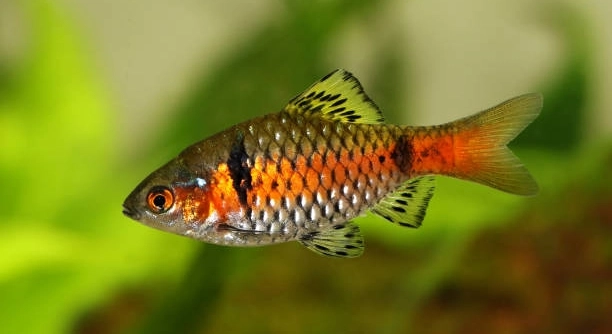
Rosy Barbs are popular freshwater fish known for their vibrant colors and active behavior. Sometimes, these fish may appear unusually slow or inactive in their tanks. Understanding why they act lethargic is important for their well-being.
Rosy Barbs can become lethargic due to factors such as poor water quality, improper temperature, stress, illness, overcrowding, inadequate diet, or lack of stimulation. Each factor affects their energy levels and overall health, leading to reduced activity.
Knowing the reasons behind their sluggish behavior helps you provide better care and keep your Rosy Barbs healthy and lively. This article explains the common causes of lethargy in these fish and how to address them.
Poor Water Quality and Its Impact
Water quality plays a major role in keeping Rosy Barbs healthy and active. When water conditions worsen, fish often become lethargic because their environment stresses them out. High levels of ammonia, nitrites, or nitrates can poison fish and affect their breathing. If the water is cloudy or dirty, it may also cause discomfort. Regular water testing and changes are important to keep the tank clean. Maintaining the right pH and temperature also helps prevent health problems. Poor water quality weakens their immune system, making them more vulnerable to diseases. Sometimes, even if the water looks clear, harmful substances can be present. A well-maintained tank is the first step in ensuring your Rosy Barbs stay lively and energetic.
Consistent water care means testing and changing water often. This prevents toxins and keeps fish safe and happy.
Keeping your tank clean is not just about looks but about creating a healthy environment. Use a good filter, do partial water changes weekly, and avoid overcrowding. Proper maintenance helps Rosy Barbs swim freely and display their natural bright colors.
Stress from Overcrowding
Too many fish in one tank can cause stress and lethargy. Overcrowding reduces space for swimming and increases competition for food and oxygen. This stressful setting leads to weaker fish that show less activity.
Improper Temperature Conditions
Rosy Barbs need stable water temperatures between 68°F and 78°F. When the water is too cold or too warm, their metabolism slows, causing lethargy. Sudden temperature changes also stress them.
Maintaining a steady temperature helps Rosy Barbs stay active and healthy. Too low temperatures reduce their energy, making them less likely to swim or eat. High temperatures can lower oxygen levels in the water, causing fatigue. Using a reliable heater and thermometer ensures their environment stays within the right range. Avoid placing the tank near windows or vents where temperature can fluctuate quickly.
Temperature stress weakens fish immune systems, increasing illness risk. Gradual adjustments during seasonal changes keep Rosy Barbs comfortable. Monitoring temperature regularly is key for their well-being.
Lack of Proper Nutrition
Rosy Barbs need a balanced diet with protein, vitamins, and minerals to stay energetic. Feeding them poor-quality or insufficient food causes weakness and slow movement.
A diet mainly consisting of flakes or low-nutrient pellets does not meet their needs. Including live or frozen foods like bloodworms, brine shrimp, or daphnia improves their health. Feeding small amounts multiple times daily supports steady energy levels. Overfeeding can cause water pollution, affecting health, so portion control matters. Proper nutrition boosts their immune system and supports vibrant colors.
Feeding varied, nutritious food helps Rosy Barbs stay active and less prone to lethargy. Ensuring they get the right diet plays a big role in their overall vitality.
Illness and Disease
Illnesses like bacterial infections or parasites often cause Rosy Barbs to become lethargic. Early signs include clamped fins, faded colors, and slow movement. Treating the illness promptly is crucial.
Quarantining sick fish and using appropriate medications helps stop the spread and supports recovery.
Lack of Stimulation in the Tank
A bare or dull tank can lead to boredom and low activity levels in Rosy Barbs. Adding plants, decorations, and hiding spots encourages natural behavior and movement.
Fish feel more secure and engage more when their environment mimics their natural habitat.
Overfeeding
Overfeeding can cause lethargy by polluting the tank and leading to digestive issues. Excess food decomposes, lowering water quality and stressing the fish.
Why are my Rosy Barbs swimming slowly?
Slow swimming in Rosy Barbs is often a sign of stress, poor water quality, or incorrect temperature. When their environment is not ideal, their energy decreases. It’s important to check water parameters and temperature regularly. Clean water with stable conditions keeps them active and swimming confidently.
How can I improve my Rosy Barbs’ energy levels?
Improving energy starts with maintaining clean water and a balanced diet. Feed a variety of foods including flakes, frozen, and live options to provide necessary nutrients. Keep the tank at the right temperature, avoid overcrowding, and add decorations or plants to stimulate activity. Regular tank maintenance and monitoring help fish stay lively.
What should I do if my Rosy Barbs appear lethargic?
First, test the water for ammonia, nitrites, nitrates, and pH levels. Change part of the water if needed. Check the temperature and adjust it if it’s out of range. Observe the fish for any signs of illness. If sickness is suspected, isolate affected fish and consider appropriate treatment. Review feeding habits and reduce overfeeding.
Can stress cause Rosy Barbs to be inactive?
Yes, stress from overcrowding, sudden changes in water quality or temperature, and aggressive tank mates can make Rosy Barbs inactive. Providing enough space, keeping water stable, and choosing compatible tank mates reduces stress and helps fish stay energetic.
How often should I change the water for Rosy Barbs?
Changing 20-30% of the water every week or two is recommended. Frequent partial water changes keep toxins low and water conditions stable. Avoid complete water changes, which can shock the fish and disrupt beneficial bacteria.
Are certain foods better for boosting Rosy Barbs’ activity?
High-quality flakes are a good base, but adding live or frozen foods like brine shrimp or bloodworms provides protein and vitamins that support energy and health. A varied diet helps prevent lethargy and keeps Rosy Barbs interested in feeding.
What role does tank size play in Rosy Barbs’ activity?
Rosy Barbs need enough space to swim freely. A tank too small limits movement and can cause stress, leading to lethargy. A minimum of 20 gallons is suggested for a small group to ensure enough room and proper water quality.
How can I tell if my Rosy Barbs are sick or just resting?
Resting fish will usually respond to movement or feeding. Sick fish often show additional signs like faded color, clamped fins, rapid breathing, or spots on their body. If lethargy lasts for days and is accompanied by these symptoms, illness is likely.
Does lighting affect Rosy Barbs’ activity?
Yes, proper lighting helps regulate their natural behavior. Too little light may make them less active, while too much can stress them. A balanced day-night cycle with about 8-12 hours of light is best for maintaining normal activity.
Is it normal for Rosy Barbs to have quiet periods?
Rosy Barbs may have quieter moments, especially during rest times. However, prolonged inactivity usually indicates an issue with their environment, health, or diet. Regular observation helps distinguish between normal rest and lethargy caused by problems.
Rosy Barbs are lively fish that bring color and movement to any aquarium. When they become lethargic, it signals that something in their environment or care routine needs attention. Keeping an eye on their behavior is important because early signs of sluggishness can help prevent bigger health problems. Simple changes like improving water quality, feeding a balanced diet, or adjusting the tank temperature can make a big difference. By paying attention to these factors, you can help your Rosy Barbs regain their natural energy and continue to thrive.
Maintaining a healthy aquarium for Rosy Barbs takes regular effort. Water testing and partial water changes keep the environment safe and comfortable. Making sure the tank is not overcrowded reduces stress and gives fish enough space to swim. Feeding them a mix of good-quality foods supports their health and activity. Adding plants or decorations gives them places to explore, which keeps their minds and bodies active. Small steps in daily care add up to a happier, healthier tank.
It’s also important to watch for signs of illness or stress early. If a Rosy Barb shows unusual behavior like faded colors, clamped fins, or loss of appetite, taking quick action can prevent serious problems. Quarantining sick fish and treating infections when needed protects the whole tank. By understanding common causes of lethargy and responding quickly, you ensure your Rosy Barbs live longer and enjoy better health. Consistent care and attention create the best environment for these beautiful fish.

Hello,
If you enjoy the content that we create, please consider saying a "Thank You!" by leaving a tip.
Every little bit helps us continue crafting quality advice that supports the health, happiness, and well-being of pets around the world, for pets of all shapes, sizes, and species.
We really appreciate the kindness and support that you show us!