
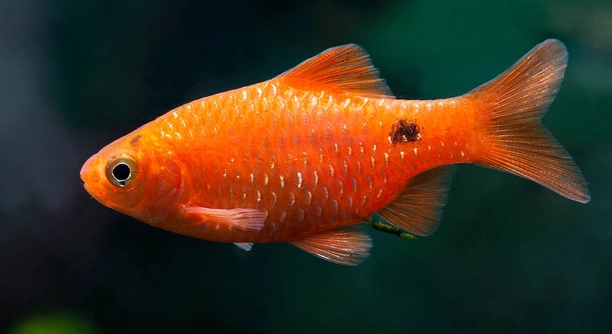
Have you ever noticed your rosy barbs hovering in one spot and wondered if it means something is wrong with them?
Rosy barbs hover in one spot primarily due to stress, poor water conditions, or a lack of stimulation. This behavior can also result from illness or adjusting to a new environment. Observing closely helps identify the specific cause.
Understanding these behaviors can help you create a healthier tank environment and improve the well-being of your rosy barbs.
Stress from Environmental Changes
When rosy barbs hover in one spot, it’s often because they’re feeling stressed by a change in their environment. This can happen after a water change, the addition of new tank mates, or even a shift in temperature. These fish are sensitive to fluctuations in their surroundings, and when something feels off, they’ll slow down or stop moving to conserve energy. Hovering in one place can be their way of coping while they adjust. Watch for other signs of stress like faded color, clamped fins, or erratic swimming. If any of these symptoms appear, review recent changes and make adjustments gradually. Keep their habitat stable and quiet after major changes. Clean water, consistent lighting, and a familiar tank setup can ease their discomfort. Stress isn’t always avoidable, but minimizing sudden disruptions will keep them healthier and more active overall.
Too much noise, overhandling, or frequent tank adjustments can trigger stress reactions in these fish.
Creating a peaceful tank with proper lighting, consistent temperature, and fewer interruptions helps rosy barbs feel more secure. It’s important to handle changes slowly and observe how they respond. Watching for hovering behavior right after a change will help you catch early signs of discomfort before they escalate into something more serious.
Poor Water Quality
Dirty or imbalanced water is a common reason rosy barbs stop swimming actively. These fish thrive in clean, well-oxygenated tanks with stable pH and ammonia levels.
When ammonia spikes or oxygen levels drop, rosy barbs often hover to conserve energy. You might notice them staying near the filter, gasping, or avoiding movement. These signs point to an unhealthy tank. Overfeeding, infrequent water changes, or clogged filters can cause this. Make sure to check water parameters regularly, using a reliable test kit. Ideal water conditions for rosy barbs include a temperature range of 72–79°F, a neutral pH of 6.5–7.5, and ammonia and nitrite levels at zero. Partial water changes every week help keep the tank clean and balanced. Also, avoid overcrowding, as that puts extra stress on the tank’s ecosystem. If hovering continues, it could mean toxins are still present. In that case, repeat testing and cleaning steps until parameters stabilize.
Lack of Stimulation
Rosy barbs can hover when their tank lacks activity or interesting features. A dull environment leaves them with little to explore, and they may stop moving simply out of boredom or lack of engagement. Adding variety to their space can quickly change this behavior.
A plain tank without plants, décor, or proper swimming space can leave rosy barbs inactive. These fish enjoy exploring and interacting with their surroundings. Adding live plants, caves, rocks, or driftwood encourages movement and natural behavior. Rearranging the tank layout from time to time can also offer mental stimulation. Make sure there’s enough space for them to swim comfortably—overcrowding limits their activity and may cause stress. Also, ensure you keep them in a group, as rosy barbs are social fish that become more active around others. Observing their behavior after you enrich their tank will help you see what changes make the biggest difference in their activity.
Feeding time can also be used to increase stimulation. Scatter food around the tank instead of dropping it in one spot. This encourages foraging and movement. You can also use floating pellets, slow-sinking granules, or the occasional live food to create excitement. Small changes like these help bring more energy back into their routine.
Illness or Infection
When rosy barbs are sick, they may hover quietly as a way to conserve energy. This passive behavior is often paired with other symptoms like loss of appetite, unusual swimming, or visible marks on the body. These signs should not be ignored.
Common illnesses like ich, fin rot, or internal infections can cause hovering. A fish that isolates itself and stops eating may be in pain or physically weakened. Checking for visible signs—like white spots, frayed fins, or bloating—can help narrow down what’s wrong. Even if there are no visible symptoms, hovering for more than a day or two usually means something internal is off. Test the water first, then look at diet and behavior. Medications may be needed, but always research or consult a professional before treating. Quick action can improve recovery chances. The sooner you identify the issue, the easier it becomes to help your rosy barb return to normal behavior.
Adjusting to a New Environment
Rosy barbs often hover when introduced to a new tank. They need time to observe and get used to their surroundings. This is normal behavior during the first few days and usually fades as they become comfortable.
Keep the lighting low and avoid tapping the glass. Let them settle without sudden movements or loud noises. A calm environment helps them adjust faster. Make sure water parameters match their previous tank to reduce stress. Their movement should increase once they feel safe.
Low Oxygen Levels
Low oxygen in the water makes it harder for rosy barbs to breathe, causing them to hover or stay near the filter. Warmer water holds less oxygen, and tanks without good circulation can become oxygen-poor quickly. Add an air stone or increase surface movement to improve oxygen levels. A simple change like adjusting the filter outflow can boost circulation. Also, avoid overcrowding, as more fish use up available oxygen faster. Watch their behavior closely—gasping near the surface or sudden inactivity are strong signs of oxygen shortage. Regular maintenance and aeration keep the water safe and breathable.
Aggression from Tank Mates
Rosy barbs may hover to avoid aggressive tank mates. Intimidation from more dominant fish makes them stay still and hide to avoid confrontation. Keeping peaceful, compatible species helps reduce this kind of stress.
FAQ
Why do rosy barbs suddenly stop swimming?
Rosy barbs may stop swimming suddenly if they are stressed, sick, or reacting to poor water conditions. It’s important to check for other signs like faded color, gasping, or hiding. Start by testing your water for ammonia, nitrite, and pH levels. If everything looks fine, monitor their behavior closely over the next day or two. Sometimes they just need rest, but hovering or stillness lasting more than a day may signal something more serious. Watch how they eat and swim during feeding time—that can reveal a lot about their health and comfort in the tank.
Is it normal for rosy barbs to hover in one spot all day?
It’s not normal for healthy rosy barbs to hover all day. They’re usually very active swimmers. If you see one staying in place for hours, it could be due to stress, low oxygen, or poor tank conditions. Check for bullying, sudden changes, or overfeeding, which may cause discomfort. A single fish hovering while others are active is especially concerning. Make sure there’s enough room to swim, good filtration, and that the group size is balanced. Rosy barbs are social, so loneliness or imbalance in the group can also affect their behavior.
What should I do first if I see this behavior?
Start by testing the water. Poor water quality is one of the most common causes of odd fish behavior. Look for ammonia, nitrite, nitrate, and pH changes. If results are off, do a partial water change right away. While waiting for the fish to recover, avoid loud sounds, tapping on the glass, or rearranging the tank. Keep lights dim and observe from a distance. Don’t add medication unless you’re sure there’s an illness. Often, just fixing the water and letting the fish rest will bring things back to normal within a day or two.
Can food play a role in why my rosy barb is hovering?
Yes, diet can affect activity. Overfeeding can cause bloating or constipation, which may lead to hovering. Undereating, on the other hand, may leave them weak and inactive. Offer high-quality flakes or pellets, and add frozen or live foods for variety once or twice a week. Skip feeding for one day each week to help with digestion. If you notice a swollen belly or stringy poop, that’s a sign food might be the issue. Adjust portions, remove uneaten food quickly, and observe whether swimming behavior improves after changing their diet.
Should I quarantine a rosy barb that hovers often?
If a rosy barb is hovering consistently while others are fine, it’s a good idea to separate it. Use a quarantine tank with clean, cycled water. This allows you to observe it more closely and protect the rest of the tank from possible illness. Keep the setup simple, with a heater and sponge filter. Feed lightly and monitor for symptoms like bloating, spots, or fin changes. If the behavior improves after a few days alone, it may have just needed a break from group stress. If not, you’ll be in a better position to treat it safely.
Do rosy barbs need tank mates to stay active?
Yes, rosy barbs are schooling fish and do best in groups of at least five. Being alone or in a very small group often makes them anxious, causing behaviors like hovering, hiding, or pacing. They feel more secure when surrounded by their own kind. A well-sized group helps balance out aggression and encourages more natural swimming. If your tank is large enough, adding more barbs can actually calm things down and increase activity. Just make sure the tank is big enough for everyone to have space without competing for food or territory.
Can lighting affect their behavior?
Lighting plays a small but important role. Too much light can make rosy barbs feel exposed, leading to hovering or hiding. On the other hand, a very dim tank may dull their activity. Aim for moderate lighting and keep it consistent—about 8 to 10 hours a day. If you recently changed your lighting setup and noticed behavioral changes, try adjusting the brightness or schedule. Floating plants can help soften the light while still keeping the tank bright enough. A balanced lighting environment keeps them feeling safe and encourages healthy movement.
How do I know if it’s just rest or a problem?
Fish do rest, especially at night or during calm periods. If your rosy barb hovers quietly but still reacts to your presence, feeds normally, and swims occasionally, it’s likely just resting. However, if hovering is paired with refusal to eat, labored breathing, or staying near the surface or bottom, then it’s more than rest. Pay attention to changes in color or posture. Resting fish are alert when approached, while sick or stressed fish remain still or act disoriented. Observing their patterns over time will help you learn what’s normal and what’s not.
Final Thoughts
Rosy barbs are active and curious fish, so when they hover in one spot, it usually means something is off. This behavior can be linked to stress, poor water quality, illness, or even boredom. It may also be a sign they’re reacting to changes in their environment, like new tank mates, temperature shifts, or adjustments in lighting. Sometimes it’s temporary and easy to fix. Other times, it may point to a deeper issue. That’s why it’s important to observe closely and act quickly when you notice something different in their behavior. Ignoring it could lead to worse problems down the line.
Creating a healthy and stable tank is the best way to prevent hovering and other unusual behaviors. Make sure the water is clean, the temperature is right, and the tank is set up in a way that gives your rosy barbs enough space and stimulation. Regular testing and maintenance help keep the water conditions stable. Adding live plants, hiding spots, and keeping your rosy barbs in a proper group can make a big difference in their activity levels. Also, pay attention to how they eat and swim daily. Small changes in these habits can give you early signs something might be wrong.
If one of your rosy barbs starts hovering often, don’t panic. Start by checking the basics—water quality, feeding routine, and tank setup. Watch for any signs of illness or stress. If needed, isolate the fish to observe it more closely. Most causes of hovering can be corrected with simple steps like a water change or improving the tank environment. Being consistent with care and staying aware of your fish’s behavior will help you catch problems early. In the end, healthy rosy barbs are active and social, and with the right care, they’ll stay that way. Keeping an eye on their behavior is one of the simplest ways to make sure your tank stays balanced and your fish stay happy.

Hello,
If you enjoy the content that we create, please consider saying a "Thank You!" by leaving a tip.
Every little bit helps us continue crafting quality advice that supports the health, happiness, and well-being of pets around the world, for pets of all shapes, sizes, and species.
We really appreciate the kindness and support that you show us!