
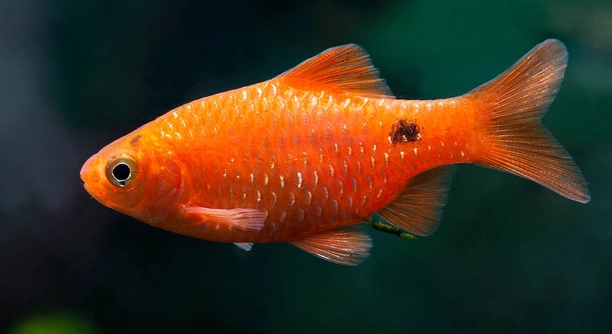
Rosy barbs are popular freshwater fish often seen in home aquariums. Despite their bright colors and lively behavior, they sometimes hide behind plants or decorations. This behavior can seem puzzling to many aquarium enthusiasts.
Rosy barbs hide behind the filter for several reasons, including stress, territorial behavior, water quality issues, and the need for security. These factors create an environment where the fish feel safer in less exposed areas within the tank.
Understanding these reasons can improve the care and well-being of rosy barbs in your aquarium. Each factor plays a role in how they interact with their surroundings and owners.
Stress and Rosy Barbs’ Hiding Behavior
When rosy barbs feel stressed, they tend to seek shelter behind objects like the filter. Stress in fish can come from several factors: sudden changes in water temperature, loud noises around the tank, overcrowding, or even aggressive tank mates. These conditions make the fish feel vulnerable, and hiding helps them reduce anxiety. Stress not only changes their behavior but can also weaken their immune system, making them prone to illness. Observing changes like loss of appetite or faded colors alongside hiding is a sign to check their environment. Reducing stress means keeping the tank stable and peaceful, which encourages rosy barbs to swim openly again.
Stress affects the health and happiness of rosy barbs significantly. Addressing stressors promptly improves their behavior and lifespan.
Watching your rosy barbs retreat can be worrying. Ensuring stable water parameters and quiet surroundings helps create a calm habitat. Removing aggressive fish and avoiding sudden changes in lighting or temperature also lowers stress levels. Adding plants and decorations gives them natural hiding spots without making them feel trapped. These small steps promote healthier, more active fish that spend more time exploring the tank than hiding. Over time, you’ll notice them becoming more confident and colorful again. A stress-free environment is key to enjoying rosy barbs’ lively nature.
Territorial Instincts Behind the Filter
Rosy barbs establish territories, especially during breeding or when space is limited. They may hide behind the filter to guard their chosen area or to avoid confrontation. This behavior helps maintain social order and reduces aggressive encounters between fish. The filter area often provides a good vantage point for keeping an eye on other tank mates while remaining protected. Territoriality is common among many fish species and is a natural way for them to feel secure in their environment. Providing enough space and hiding places can help manage this behavior and prevent stress.
Territorial behavior is a natural response to protect space and reduce conflicts in the tank.
When space is tight, rosy barbs mark spots like behind the filter as their territory. This position allows them to control a small section of the tank while feeling safe. Sometimes they chase away other fish that come too close. If the tank is crowded, this can lead to more hiding and less social interaction. Increasing the tank size or adding more plants gives each fish enough room to establish its own space without constant stress. This balance encourages healthier interactions and reduces the need for hiding, helping rosy barbs stay visible and active.
Poor Water Quality and Its Impact
Poor water quality drives rosy barbs to hide, especially near the filter where water circulation is stronger. Dirty or unbalanced water causes discomfort and health problems.
Maintaining clean water is crucial for rosy barbs’ well-being. Waste buildup, excess food, or inadequate filtration raises ammonia and nitrite levels, stressing the fish. When water parameters shift, fish seek refuge in calmer, filtered areas to avoid discomfort. Regular testing of water and timely partial changes keep the environment healthy. Using a good filter and avoiding overfeeding also helps prevent water issues that cause hiding. Keeping the tank clean supports natural behavior and reduces stress-related hiding.
Water quality problems often go unnoticed until fish show signs like hiding. By establishing a consistent cleaning routine and monitoring water chemistry, you minimize risks. Introducing plants can also improve water conditions by absorbing nitrates. A well-maintained tank encourages rosy barbs to explore more freely and enjoy their surroundings without fear or discomfort.
Seeking Safety in Small Spaces
Rosy barbs naturally seek small spaces for safety, using the filter area as a hiding spot. This instinct helps them feel secure when they sense threats.
Fish instinctively use tight spots to avoid predators or aggressive tank mates. The filter often offers shelter and water flow, providing comfort. Providing various hiding places reduces the need for constant hiding in one spot. Using plants, rocks, or decorations creates a diverse habitat where rosy barbs feel protected. This reduces stress and encourages them to be more active. Knowing their need for safety helps create a balanced environment where fish feel confident to swim openly.
Lighting and Its Effect on Behavior
Bright or sudden changes in lighting can make rosy barbs uncomfortable. They often retreat behind the filter where light is dimmer.
Adjusting lighting gradually helps fish adapt better. Using plants or decorations to soften light creates a calmer environment, reducing hiding.
Filter Flow Preferences
Rosy barbs prefer moderate water flow. Strong currents near the filter may be stressful, but gentle flow offers comfort and safety.
Providing adjustable flow helps fish find their preferred spot. Too much current can cause fatigue and increase hiding behavior.
Illness and Hiding
When rosy barbs feel unwell, they often hide to conserve energy and avoid threats. Hiding may signal illness or injury.
Observation and prompt care are important. Clean water, proper diet, and treatment support recovery and reduce prolonged hiding.
FAQ
Why do rosy barbs hide more when the filter is running?
When the filter is on, it creates water movement and noise, which can make rosy barbs uneasy. They often hide behind or near the filter because it offers a stable spot where the current is less intense or where they feel sheltered. The filter area provides a sense of safety amid the water flow and bubbles, helping them feel less exposed to the tank environment.
How can I tell if my rosy barbs are hiding because of stress or illness?
Stress-related hiding usually comes with other signs like rapid breathing, loss of appetite, or faded color. Illness-related hiding is often more severe and may include clamped fins, lethargy, or unusual spots on their body. If hiding continues for days and these signs appear, it’s best to check water quality and consider consulting a vet or fish expert.
Is it normal for rosy barbs to hide behind the filter at night?
Yes, it’s normal for rosy barbs to seek shelter at night, especially behind the filter or decorations. These areas feel safe when they are resting. However, if they spend too much time hiding during the day, it might indicate an issue with their environment or health.
Can improving tank conditions reduce hiding behavior?
Absolutely. Stable water parameters, enough space, proper filtration, and gentle lighting create a comfortable environment. Adding plants and decorations gives hiding spots that feel natural. When fish feel secure, they spend less time hiding and more time swimming actively.
Does overcrowding cause rosy barbs to hide behind the filter?
Overcrowding increases competition and stress, making shy or weaker fish retreat to places like behind the filter. Ensuring enough space and avoiding too many fish in one tank helps reduce this behavior. Giving each fish its own territory lowers stress and hiding.
How often should I clean the filter to prevent hiding due to poor water quality?
Cleaning the filter every two to four weeks is generally recommended. Avoid over-cleaning, which can remove beneficial bacteria. Regular water tests and partial water changes help keep ammonia and nitrites low, reducing stress that causes hiding.
Do rosy barbs hide more when new fish are introduced?
Yes, new fish in the tank can cause rosy barbs to feel threatened. They may hide behind the filter until they adjust to the new tank dynamics. Gradual introduction of new fish and monitoring behavior helps reduce stress during this time.
Is hiding a sign that rosy barbs are happy or comfortable?
Hiding is usually a sign of feeling insecure or stressed, not comfort. Comfortable fish tend to swim openly and interact with their environment. Providing enough hiding spots allows fish to feel safe but encourages them to explore when they feel secure.
Can diet affect hiding behavior?
A poor diet can weaken fish and make them more prone to stress, increasing hiding behavior. Feeding a balanced diet that meets their nutritional needs supports health and reduces hiding caused by weakness or illness.
Should I be concerned if rosy barbs only hide behind the filter during feeding times?
Sometimes shy fish hide during feeding if they feel threatened by more aggressive tank mates. If hiding is limited to feeding time but fish are otherwise active, it’s usually not a big concern. Ensuring all fish get food and reducing competition helps reduce this behavior.
How can I encourage shy rosy barbs to come out of hiding?
Creating a calm, stable environment helps. Lowering bright lights, adding plants, and avoiding sudden movements around the tank encourages fish to feel safe. Feeding regularly and gently can also build trust, making shy rosy barbs more confident to swim openly.
Are there specific tank setups that reduce hiding?
Tanks with plenty of open swimming space combined with scattered hiding spots work best. Avoid overcrowding and provide natural decor like plants and rocks. Good filtration with adjustable flow keeps water clean and comfortable, which helps reduce hiding behavior.
Rosy barbs hiding behind the filter is a common behavior influenced by several factors. These fish seek safety when they feel stressed, threatened, or uncomfortable in their environment. Understanding the reasons behind their hiding, such as poor water quality, territorial instincts, or illness, is important to provide better care. By paying close attention to their behavior and environment, owners can help create conditions that encourage rosy barbs to feel secure and active.
Maintaining good water quality is one of the most effective ways to reduce hiding behavior. Regular water testing, timely water changes, and proper filtration keep the tank environment stable and clean. Avoiding overcrowding and providing enough space ensures that each fish can establish its own territory without feeling threatened. Adjusting lighting and adding plants or decorations for natural hiding spots also contribute to a healthy, balanced aquarium where rosy barbs can thrive.
Being observant of your rosy barbs’ behavior allows you to notice changes that may signal stress or illness early. Quick action to address issues helps protect their health and encourages more natural, visible behavior. Creating a calm, consistent environment gives these fish the confidence to explore their tank openly. With proper care, rosy barbs will spend less time hiding and more time showing their vibrant colors and lively personalities.

Hello,
If you enjoy the content that we create, please consider saying a "Thank You!" by leaving a tip.
Every little bit helps us continue crafting quality advice that supports the health, happiness, and well-being of pets around the world, for pets of all shapes, sizes, and species.
We really appreciate the kindness and support that you show us!