
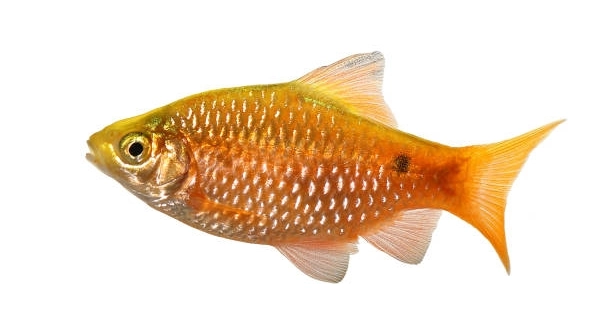
Do your rosy barbs sometimes look bright red one day, then suddenly appear pale or faded the next without warning?
Rosy barbs change color temporarily due to various factors, including stress, lighting, breeding behavior, water conditions, and health status. These changes are usually harmless and reflect natural biological responses to their environment or internal state.
Each reason offers insight into your fish’s needs, helping you create a better, more stable environment for their overall well-being.
Stress from Environmental Changes
Rosy barbs often change color when they feel stressed, especially after sudden shifts in their environment. Moving to a new tank, loud noises, overcrowding, or fluctuating water parameters can all trigger stress. In response, their vibrant red tones may fade, appearing dull or even slightly gray. This isn’t a permanent change—it’s a temporary reaction. If the stress continues, it may impact their overall health. To help your fish feel more comfortable, monitor the water quality, reduce noise and activity around the tank, and give them time to adjust. Consistent care usually brings back their natural color.
Color fading during stress usually lasts a short time and improves once conditions stabilize. Monitoring water and behavior helps you act early.
Keeping the tank clean, offering hiding spaces, and avoiding sudden changes in temperature or lighting can lower stress. When your rosy barbs feel safe, their true colors come back naturally and quickly.
Breeding Behavior and Hormones
Breeding season can cause noticeable color shifts in rosy barbs.
During mating periods, males often show deeper red hues to attract females. This vibrant change is driven by hormonal changes and is completely natural. Once the breeding cycle ends, their colors usually fade back to normal. In contrast, females may not change much, or may appear slightly duller. This shift often causes concern for new fish owners, but it’s part of the fish’s reproductive behavior. It doesn’t mean something is wrong. Providing a peaceful environment with steady water conditions helps them go through this phase with less stress. Feeding high-quality foods during this time can also help them maintain good health and strong coloration.
If you’re trying to breed rosy barbs, you might notice these color changes more often. They’re part of the natural mating process and usually don’t require any special intervention. Just keep the tank stable, feed a nutritious diet, and watch your fish return to their usual color once the cycle ends.
Changes in Lighting Conditions
Rosy barbs often look brighter or duller depending on the lighting in their tank. Aquarium lights can make their colors appear more vivid, while low or inconsistent lighting may cause them to seem pale or washed out temporarily.
Their scales reflect and absorb light differently, which affects how their colors appear to the human eye. If your tank has a light schedule that changes often, or if the lights are too dim, your fish may not look as vibrant. Using a consistent light source for about 8 to 10 hours each day can help maintain their natural brightness. Avoid using harsh or overly bright lights, which may cause stress or discomfort. A gentle, balanced setup supports their health and keeps their appearance steady.
Natural sunlight also influences color, especially if your tank is near a window. However, too much direct light can affect algae growth and stress your fish, so balance is important.
Diet and Nutrition
A poor or unbalanced diet can cause your rosy barbs to lose their color over time. Without the right nutrients, their bodies lack the support needed to maintain healthy, vibrant pigmentation.
Color in fish is often linked to specific pigments, like carotenoids, found in certain foods. Without these, rosy barbs may appear dull or faded. Including high-quality flakes or pellets with color-enhancing properties can make a big difference. Supplementing their diet with foods like brine shrimp, daphnia, and bloodworms can help boost their color naturally. These foods are rich in essential vitamins and proteins, which support both health and appearance. Try to avoid overfeeding, and always remove uneaten food to maintain water quality. Feeding them a varied, well-balanced diet regularly helps them stay colorful and energetic without the need for artificial additives or stress.
Water Quality Fluctuations
Poor water quality can cause rosy barbs to fade in color. Sudden changes in temperature, pH, or ammonia levels stress the fish and impact their appearance. Regular water testing and partial water changes help maintain stable, healthy conditions.
Unclean water affects both their health and color. High nitrate levels or unbalanced hardness may lead to dullness. Clean, stable water encourages healthy coloration and behavior.
Illness or Parasites
Illness or internal parasites can lead to sudden or uneven color loss. If your rosy barb is also sluggish, not eating, or isolating itself, it could be sick. Quarantine and observation may be needed, along with medication if symptoms worsen. Prompt treatment helps prevent further health and color issues.
Age and Natural Color Cycles
As rosy barbs age, their color may fade slightly. This is normal and doesn’t usually mean anything is wrong. Young fish may also go through temporary color shifts as they mature.
FAQ
Can rosy barbs change color permanently?
Yes, rosy barbs can change color permanently, especially as they age. Their color may naturally fade over time or shift due to long-term exposure to suboptimal conditions. However, many changes are temporary and improve with better care. Aging, genetics, and chronic stress can all lead to permanent changes in hue. Fish kept in poor environments without proper lighting or nutrition may never fully regain their original vibrancy. In contrast, those raised in clean, stable tanks with proper diets often hold their color much longer. The permanence depends on the underlying cause and how quickly it’s addressed.
Do female rosy barbs change color like males do?
Female rosy barbs do not change color as dramatically as males. Males usually develop deeper red hues, especially during mating periods. Females tend to stay more subdued in color throughout their lives. However, females can still fade or brighten in response to stress, water conditions, or illness. Their color changes are often less intense and may be harder to notice. If you see major changes in a female’s appearance, it may be linked to environmental stress or health problems rather than hormonal cycles. Observing their behavior and tank conditions can help clarify the reason for any shifts.
How long do temporary color changes last?
Temporary color changes can last anywhere from a few hours to several days, depending on the cause. Stress-related fading may disappear quickly once the fish feels safe again. On the other hand, issues caused by poor water quality or diet may take longer to resolve. Color will typically return once the tank conditions are stable and the fish is no longer under stress. For breeding-related changes, males may stay brighter for several days or even weeks during the mating period. Always monitor for other signs of illness if the fading lasts too long or worsens.
What should I do if my rosy barb suddenly looks pale?
If your rosy barb suddenly appears pale, start by checking the water quality. Use a test kit to measure pH, ammonia, nitrite, and nitrate levels. Make sure the temperature is consistent. Observe the fish for other symptoms like clamped fins, erratic swimming, or loss of appetite. These may point to illness or parasites. Look for signs of bullying from other fish as well, which can also cause stress. If everything looks normal but the color doesn’t return, consider improving their diet and adjusting tank lighting. Give the fish a few days to settle before taking further action.
Do lighting changes affect fish health or just their color?
Lighting affects both the health and color of rosy barbs. Inconsistent or harsh lighting may lead to stress, which can weaken their immune system and dull their color. A regular light schedule of 8 to 10 hours helps keep them balanced. Avoid placing the tank in direct sunlight, as it can overheat the water and promote algae growth. Fish use lighting cues to regulate their daily rhythms. When the light changes too often or is too intense, it disrupts these patterns. This can result in faded coloration, lethargy, and changes in appetite over time.
Can rosy barbs lose color from boredom or loneliness?
While not proven in the same way as stress from poor conditions, a lack of stimulation can influence your rosy barb’s color. These are active, social fish that thrive in groups. Keeping them alone or in a sparse tank may lead to inactivity and fading. Provide plenty of swimming space, live or artificial plants, and a group of at least five rosy barbs to reduce stress. Active, stimulated fish tend to display brighter colors. Though “boredom” is hard to measure in fish, social isolation and dull environments are known to affect their overall behavior and appearance.
Final Thoughts
Rosy barbs are colorful, active fish that can bring life to any freshwater tank. When their colors change, it’s often a sign that something in their environment has shifted. While these changes can be alarming, they are usually temporary and linked to stress, lighting, water quality, or natural behavior like breeding. Paying close attention to their surroundings, diet, and tankmates can help you understand what’s happening and respond in the right way. Most of the time, simple adjustments can restore their color and improve their overall health. Staying consistent with care routines is key to keeping them looking their best.
Many color changes are natural and not a reason to panic. Male rosy barbs become more vibrant when ready to breed, while females often stay more muted. Color may also fade slightly with age or change permanently if poor conditions continue for too long. A clean tank, balanced diet, and proper lighting go a long way in supporting their health and color. Watching for signs like sluggishness, pale patches, or lack of appetite can help you catch problems early. Rosy barbs are usually hardy, so they respond well when issues are addressed quickly and gently.
If your rosy barb’s color has changed, the first step is to stay calm and observe. Check the basics—water temperature, filter function, light schedule, and food quality. These simple checks often reveal the cause. Give them time, especially if they’re new to the tank or adjusting to changes. Fish need stability to thrive. Being patient and careful with how you manage their care will make a difference in how they look and feel. With a little attention and steady maintenance, your rosy barbs will continue to show off their natural colors, adding beauty and movement to your aquarium every day.

Hello,
If you enjoy the content that we create, please consider saying a "Thank You!" by leaving a tip.
Every little bit helps us continue crafting quality advice that supports the health, happiness, and well-being of pets around the world, for pets of all shapes, sizes, and species.
We really appreciate the kindness and support that you show us!