
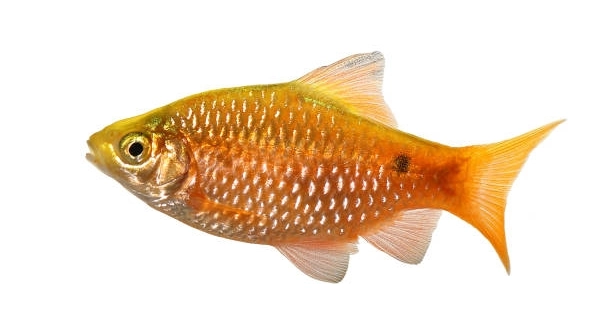
Do you ever find yourself watching your rosy barbs flash their sides and wonder what it all means for their behavior?
Rosy barbs flash their sides primarily as a form of communication, often linked to territorial displays, mating behavior, or stress responses. This behavior helps them establish dominance, attract mates, or respond to environmental changes.
From subtle shifts in lighting to signs of illness or social tension, each reason tells you something different about your fish’s world.
Mating Behavior and Courtship Displays
Rosy barbs often flash their sides when they’re trying to attract a mate. Males, in particular, show brighter colors and sudden side movements to grab the attention of females. This flashing helps them stand out in the tank and signal their strength and health. During the breeding season, this behavior can become more frequent and intense. Males may chase females or swim beside them while flashing to encourage spawning. It’s part of their natural rhythm and is usually a good sign that your fish are healthy and ready to breed. If you notice flashing followed by egg-laying or guarding behavior, that confirms this reason. You might also see multiple males flashing at once, competing for a single female. It’s their way of showing off and trying to win over a potential mate. This is perfectly normal behavior and doesn’t require any intervention from you.
Flashing for courtship is harmless and usually short-lived. It’s just part of how rosy barbs interact during breeding time.
Keep the tank clean and give them enough space to reduce stress during these active times. Providing live plants or spawning mops can help support healthy breeding behavior.
Territorial Disputes and Dominance
Rosy barbs sometimes flash their sides to show dominance. This is especially common when new fish are added to the tank.
In a group setting, rosy barbs often establish a social structure through displays of strength. Flashing can be a warning or a show of confidence. It usually happens during minor disputes over space or pecking order. One fish may swim directly at another and quickly flash its side before swimming away. These short bursts are their way of saying “back off” without having to fight. It’s a visual cue that helps prevent actual physical harm. Flashing related to dominance is most common in male barbs, especially when the group dynamics are shifting. It may happen more frequently if the tank is overcrowded or lacks hiding spots. You can reduce this by adding more plants or décor to break up sightlines and give each fish a sense of territory. Most of the time, these displays settle down on their own once the hierarchy is established.
Response to Sudden Environmental Changes
Flashing can happen when the water temperature, pH, or lighting changes too quickly. Rosy barbs are sensitive to shifts in their surroundings, and these flashes might be their way of reacting to the sudden stress or discomfort caused by those changes.
If you’ve recently done a large water change, added a new filter, or adjusted the lighting schedule, flashing might follow. These shifts can throw off their sense of balance, even if the changes seem minor to you. Flashes in this context are often brief but repetitive. It’s their way of processing the shift and trying to adapt. To avoid this, always adjust tank conditions slowly and consistently. Try to match the temperature and pH when doing water changes and avoid turning lights on and off abruptly. A stable environment keeps their stress low and helps reduce these types of reactive behaviors over time.
Inconsistent lighting can also play a role. Bright lights turning on suddenly can startle rosy barbs, triggering them to flash or dart around. Consider using a dimmer or leaving the room light on before switching the tank lights on or off. Even small changes like this can help make their daily routine smoother and reduce stress-related flashing.
Irritation from Parasites or Skin Issues
Flashing can also be a sign that something is irritating their skin or gills. This is often caused by parasites like ich or flukes, which make the fish feel itchy or uncomfortable.
Rosy barbs may rub against objects or plants while flashing. This is called “flashing against surfaces,” and it usually means they’re trying to relieve discomfort. Look for other signs like small white spots, clamped fins, or heavy breathing. These are signs of parasites or poor water quality. In these cases, flashing isn’t just a behavior—it’s a warning sign. Test the water immediately and look closely at their bodies for changes. If you suspect parasites, isolate the affected fish if possible, and consider starting a treatment suited for the type of parasite you suspect.
Good tank maintenance can help prevent these issues. Keep the water clean, don’t overcrowd the tank, and quarantine new fish before adding them. Watching for subtle changes in flashing can help catch early signs of illness before it spreads to the whole tank.
Excitement During Feeding Time
Some rosy barbs flash their sides when they get excited, especially during feeding. This can be a quick burst of movement or color that shows they’re alert and ready to eat.
It’s usually a harmless behavior and part of their natural energy. You may notice it more around their usual feeding time.
Tank Reflections and Glass Glare
Rosy barbs may react to their reflection in the tank glass, thinking it’s another fish. This can cause them to flash and display as if they’re defending their space.
Try adjusting the lighting or placing plants near the sides of the tank to cut down on glare. This can help reduce their stress and limit flashing caused by reflections.
Playful or Social Interaction
Rosy barbs are active and social fish. Sometimes they flash during group activity or play.
As long as it’s not aggressive or paired with signs of stress, it’s usually nothing to worry about.
FAQ
Why are my rosy barbs flashing their sides suddenly?
Sudden flashing often happens when something changes in their environment. This could be a water quality shift, temperature change, or new tank setup. Rosy barbs are sensitive and react quickly to these changes. Flashing helps them communicate discomfort or adjust to the new conditions. It’s important to check water parameters and tank conditions to make sure everything is stable.
Is flashing a sign of illness in rosy barbs?
Flashing can be a sign of illness, especially if it comes with rubbing against objects or scratching. Parasites like ich or skin irritations cause this behavior. Look for other signs such as white spots, clamped fins, or lethargy. If flashing is combined with these symptoms, testing water quality and considering treatment might be necessary.
Can flashing mean my rosy barbs are stressed?
Yes, flashing is often linked to stress. Stress can come from overcrowding, poor water quality, or aggressive tank mates. Flashing shows they are trying to signal discomfort or establish control. Reducing stress involves improving water conditions, giving them hiding places, and ensuring compatible tank mates.
Do rosy barbs flash more during breeding?
Male rosy barbs flash their sides more during breeding to attract females. This behavior is part of their courtship ritual. The flashing shows strength and good health, encouraging females to spawn. If you see increased flashing and chasing, it’s likely related to mating.
Can reflections in the tank cause flashing?
Reflections can trick rosy barbs into thinking another fish is present, causing them to flash or display to defend their territory. Adjusting lighting or adding plants near tank edges can reduce reflections and calm their behavior.
How can I reduce flashing caused by environmental changes?
Make water changes gradual and keep tank conditions stable. Avoid sudden shifts in temperature, pH, or lighting. Using dimmed lights or slow changes helps fish adjust better and reduces flashing caused by stress.
Is flashing always a bad sign?
Not always. Flashing can be part of normal behavior such as communication, courtship, or playful interaction. It becomes a concern only when it’s frequent, combined with other stress signs, or paired with illness symptoms.
What should I do if my rosy barbs are flashing due to parasites?
First, isolate any affected fish if possible. Test water quality and treat the tank with parasite-specific medication. Maintaining good hygiene and quarantining new fish helps prevent outbreaks. Watching their behavior closely during treatment is important to ensure recovery.
Does feeding affect flashing behavior?
Yes, feeding time often excites rosy barbs and can lead to flashing as part of their active response. This flashing is harmless and usually stops once they settle after eating.
Can flashing be a way for rosy barbs to establish dominance?
Flashing is commonly used in dominance displays. Fish flash to warn others and avoid fights. This behavior helps maintain social order in the tank. Providing enough space and hiding spots reduces aggressive flashing and promotes harmony.
Rosy barbs flashing their sides is a common behavior that can mean different things depending on the situation. Sometimes, it is a natural part of how they communicate with each other, especially during mating or when setting up their social order. Other times, it can be a sign of stress or discomfort caused by changes in their environment, such as water quality or temperature shifts. Understanding why your fish flash helps you respond properly and keep them healthy.
When flashing is linked to health issues, it often comes with other signs like rubbing against objects, changes in appetite, or unusual swimming patterns. In these cases, it is important to check the water quality and look for parasites or infections. Good tank maintenance and quarantine procedures for new fish can prevent many problems. If flashing continues despite good care, seeking advice from a professional or experienced aquarist is a good idea. Prompt action can stop problems from worsening and keep your rosy barbs happy.
Overall, flashing is usually nothing to worry about if your tank conditions are stable and your fish appear active and healthy. Keeping the tank clean, providing enough space, and avoiding sudden changes can reduce unwanted flashing related to stress or aggression. Watching your fish closely and learning their normal behaviors will help you notice when something is wrong early on. With proper care and attention, your rosy barbs will continue to thrive and show their bright, flashing sides for positive reasons.

Hello,
If you enjoy the content that we create, please consider saying a "Thank You!" by leaving a tip.
Every little bit helps us continue crafting quality advice that supports the health, happiness, and well-being of pets around the world, for pets of all shapes, sizes, and species.
We really appreciate the kindness and support that you show us!