
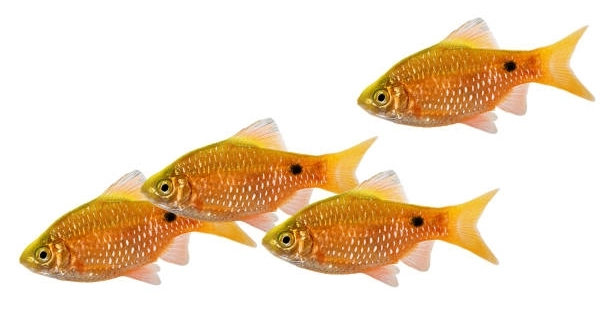
Rosy barbs are lively fish often seen swimming in groups. Many people notice them chasing each other in their tanks. This behavior can be puzzling for fish owners who want to understand what’s happening beneath the surface.
Rosy barbs chase each other mainly due to social interactions like establishing dominance, playing, or breeding behaviors. These actions help maintain group order and promote healthy activity within their environment.
Knowing why rosy barbs act this way can help you care for them better. Their lively nature has many layers that reveal important aspects of their behavior and well-being.
Social Hierarchy and Dominance
In a group of rosy barbs, chasing often happens because they are sorting out their social order. These fish naturally form a hierarchy, where stronger individuals assert dominance over others. Chasing is a way to establish who leads the group and who follows. This behavior helps reduce serious fights by making roles clear early on. Usually, the chasing isn’t meant to hurt but to remind others of the pecking order. If you watch closely, you’ll see that after some chasing, the fish settle down and swim more peacefully. This kind of interaction keeps the tank environment stable and reduces stress overall. Rosy barbs are active fish, so this dynamic is part of their daily routine and natural communication.
Dominance chasing rarely causes injury but shows normal fish behavior in a social setting.
Understanding this hierarchy helps tank owners avoid overreacting and maintain a calm atmosphere for their fish.
Play and Exercise
Chasing can also be a form of play or exercise for rosy barbs. These fish are energetic and often chase each other to stay active. Playful chasing encourages movement, which is important for their health and muscle tone. It’s similar to how pets on land chase or wrestle to burn off energy. When fish have enough space, chasing looks more like friendly sparring rather than aggressive fights. This activity also stimulates their minds and prevents boredom in a tank environment. Providing plants and hiding spots gives them more places to explore and chase, improving their overall well-being. Watching their playful behavior can be quite entertaining and shows their natural liveliness.
If your tank is small or overcrowded, chasing may become stressful rather than fun.
Make sure your rosy barbs have enough room and enrichment to express this natural behavior healthily.
Breeding Behavior
During breeding, chasing becomes more intense as males compete for females. This is natural and helps determine which male will mate.
Males often chase females to encourage spawning and show off their strength and vitality. This behavior can look aggressive but is part of the reproductive process. Females usually respond by swimming away but will eventually allow mating if they accept the male.
It’s important to provide enough space and hiding places during breeding to reduce stress. Overcrowding can increase chasing beyond normal levels and lead to injury or exhaustion.
Stress and Environment
Stress can cause excessive chasing among rosy barbs, making it a concern for tank owners. Poor water quality, lack of space, or sudden changes can trigger stress-related chasing.
Fish under stress may chase more aggressively or constantly, which affects their health and happiness. Signs of stress include faded colors, rapid breathing, and hiding. Maintaining stable water parameters, regular cleaning, and an adequately sized tank reduces stress. Adding plants and decorations offers shelter and reduces chasing pressure. A calm environment helps rosy barbs interact normally without harmful chasing, ensuring they stay healthy and lively in their home.
Territory and Space
Rosy barbs sometimes chase each other to defend personal space or territory. This behavior helps them keep control over a favorite spot in the tank.
Limited space can make territorial chasing more frequent and intense, especially if hiding places are scarce.
Feeding Time Competition
Chasing can increase around feeding time as rosy barbs compete for food. This quick movement helps ensure they get their share. However, it may lead to stress if food is limited or unevenly distributed. Feeding smaller amounts more often can help reduce chasing related to food competition.
Illness or Injury
Sometimes chasing happens because a fish is weak or injured. Healthy rosy barbs might chase a sick or slow individual to push it away. It’s important to check for signs of illness or injury and separate affected fish to prevent bullying and allow healing.
Why are my rosy barbs chasing each other so much?
Rosy barbs chase each other as part of their natural behavior. It can be due to social hierarchy, breeding, play, or stress. In small groups, chasing helps establish dominance and order. During breeding, males chase females and compete with other males. Sometimes, if the tank is crowded or water quality is poor, chasing may increase because of stress. Make sure your tank has enough space, clean water, and hiding spots to reduce excessive chasing.
Is chasing among rosy barbs harmful?
Chasing is usually harmless and normal for rosy barbs. It helps them communicate and stay active. However, if chasing turns aggressive or constant, it may lead to injury or stress. Signs to watch for include torn fins, damaged scales, or a fish hiding more than usual. If you see these signs, you might need to adjust tank conditions or separate aggressive fish.
How much space do rosy barbs need to reduce chasing?
Rosy barbs need at least 20 gallons for a small group of five to six fish. More space is better because it lets them swim freely and avoid each other when needed. Crowding increases chasing and stress, so avoid overstocking your tank. Adding plants and decorations also helps create natural barriers to reduce chasing.
Can chasing mean my rosy barbs are fighting?
Not always. Chasing is often a form of communication rather than fighting. It can look rough but is usually part of their social behavior. True fighting involves biting and prolonged aggression that causes injuries. When chasing stays short and fish recover quickly, it’s mostly harmless. If fighting is severe, separating the fish may be necessary.
How do I stop chasing if it becomes too aggressive?
Improving tank conditions is the best way to reduce aggressive chasing. Increase tank size or reduce the number of fish. Provide plenty of plants and hiding places to break line of sight. Feeding smaller amounts more frequently can lower food competition. If chasing continues, consider separating the most aggressive fish temporarily to give them a break.
Does chasing mean my rosy barbs are healthy?
Chasing can be a sign of good health and activity because it shows the fish are alert and energetic. However, excessive chasing due to stress or overcrowding is unhealthy. Balanced chasing mixed with calm periods means your fish are likely comfortable. Always monitor water quality and tank conditions to keep your rosy barbs healthy.
Should I worry if one fish is always chased?
If one fish is targeted often, it might be weaker, sick, or simply lower in the social hierarchy. This can cause stress and make the fish vulnerable to injury. Check the targeted fish for signs of illness or injury. If needed, separate it until it recovers or the social dynamics change.
Can chasing affect breeding success?
Yes, chasing is part of the breeding ritual, especially males competing for females. But if chasing is too aggressive or the tank is too small, it can stress females and reduce breeding success. Make sure the tank has enough space and cover to help females escape if needed, which encourages natural breeding behavior.
Is chasing more common in certain tank setups?
Chasing tends to increase in small or bare tanks because fish have fewer places to hide or avoid each other. Tanks with plants, rocks, and decorations provide natural barriers that reduce chasing. A well-planted and spacious tank usually means less stress and less aggressive chasing.
How can I tell if chasing is normal or a sign of a problem?
Normal chasing is short, with fish quickly resuming calm swimming. Problematic chasing is constant, aggressive, or causes injury. If chasing causes fins to tear, scales to be missing, or fish to hide excessively, it’s a sign of stress or aggression. Checking water parameters and tank conditions can help solve the problem.
Rosy barbs are naturally active and social fish. Their chasing behavior is mostly normal and helps them communicate within their group. This chasing can come from different reasons like establishing dominance, playing, or breeding. Understanding why they chase can help you better care for them. It’s important to remember that a little chasing is healthy and shows your fish are lively and interacting. Watching these moments can give you insight into their personalities and social structure. When the chasing stays balanced, it means your rosy barbs feel comfortable and secure in their environment.
Sometimes chasing can become too much, which may signal stress or problems in the tank. Overcrowding, poor water quality, or lack of hiding spaces can cause chasing to turn aggressive or constant. If you notice signs of injury or stressed fish, it’s time to take action. Simple changes like adding plants, increasing tank size, or improving water quality often reduce chasing. You might also need to separate the most aggressive fish if necessary. Keeping a calm and healthy environment is key to ensuring your rosy barbs live well and avoid harm. Regular observation helps catch problems early before they get worse.
Caring for rosy barbs means balancing their natural behaviors with their needs in captivity. Providing enough space, proper diet, clean water, and hiding spots allows them to express their behavior without stress. Chasing is a part of their daily life, but it should not dominate or cause harm. By paying attention to how your rosy barbs interact, you can support their health and happiness. With proper care, chasing becomes a natural and harmless part of their lively tank environment, showing the dynamic nature of these beautiful fish.

Hello,
If you enjoy the content that we create, please consider saying a "Thank You!" by leaving a tip.
Every little bit helps us continue crafting quality advice that supports the health, happiness, and well-being of pets around the world, for pets of all shapes, sizes, and species.
We really appreciate the kindness and support that you show us!