
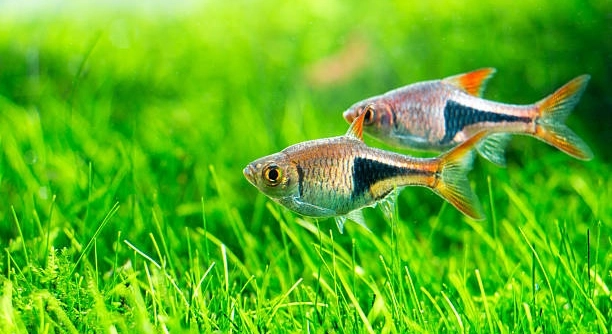
Rasboras are small, peaceful fish often found in home aquariums. Many aquarists notice these fish tend to stay near the bottom of the tank. Understanding why they behave this way can help keep them healthy and happy.
Rasboras stay close to the bottom for several reasons, including seeking food, avoiding stress, finding shelter, and regulating their body temperature. These behaviors are natural and serve important survival and comfort functions.
Knowing these reasons can improve how you care for your rasboras and create a better environment for them to thrive.
Seeking Food Near the Bottom
Rasboras often stay near the bottom because that’s where they find most of their food. In nature, many small insects, larvae, and plant particles gather near the substrate. In an aquarium, leftover flakes, sinking pellets, or tiny bits of algae tend to settle there. This makes the bottom a prime feeding area. Since rasboras are small fish, they prefer to eat food that’s easy to find and catch. They also use their senses to pick out edible bits among the gravel or plants. When you feed them, sinking food helps keep them comfortable and encourages natural behavior. Watching them search the bottom can be calming, showing how they interact with their environment. If your rasboras are spending more time near the tank floor, it often means they are simply feeding or looking for food that is more accessible and satisfying.
Feeding rasboras sinking pellets or flakes that sink quickly supports their bottom-dwelling habits. This can help reduce competition with other fish.
Providing a balanced diet that sinks gently encourages healthy feeding habits and mimics their natural search for food near the substrate. Keeping the bottom clean also helps them find food easily without stress.
Avoiding Stress and Hiding
Rasboras stay close to the bottom to feel safe and reduce stress. The bottom of the tank offers plenty of hiding spots, such as plants, rocks, or decorations. These spots help rasboras feel protected from larger or more aggressive fish. When the tank is overcrowded or noisy, staying low is a natural way for them to avoid trouble. Stress can affect their health, so finding comfort near the bottom is important. It gives them a quiet place where they can rest and feel less exposed. Offering plenty of hiding spaces in the lower part of the aquarium supports their well-being. When rasboras feel secure, they are more likely to show natural, lively behaviors and stay healthy over time. Creating a calm environment with shelter encourages them to thrive.
Stress reduction is key for rasboras to maintain good health and activity levels. Providing bottom cover helps keep them calm.
Ensuring enough hiding places and peaceful tank mates promotes a secure space near the substrate, helping rasboras feel comfortable and less stressed.
Temperature Regulation
Rasboras stay near the bottom because water temperature is often more stable there. Cooler water settles lower in the tank, creating a comfortable environment for these fish.
Temperature affects how active rasboras are. When the top water is too warm or bright, they move down to cooler, shaded areas near the bottom. This helps them avoid overheating and conserve energy. In a well-planted aquarium, the lower areas tend to have more stable conditions, which suits their needs better. Controlling tank temperature with a reliable heater and proper lighting can improve their comfort. Observing where they spend most of their time gives clues about how well the tank conditions meet their temperature preferences.
Keeping the tank temperature steady and balanced throughout the water column supports healthy rasbora behavior. This also reduces stress and promotes better overall health.
Natural Instinct and Territory
Rasboras’ natural instincts lead them to explore and stay close to the bottom as part of their territorial behavior. They often mark small zones near the substrate to claim as their space.
In the wild, rasboras live in slow-moving streams and shallow waters with plenty of cover near the bottom. Staying low allows them to watch for threats and protect their area. They use plants and rocks as boundaries and hiding spots, which reduces conflicts with other fish. In home aquariums, replicating this environment helps them feel secure and behave naturally. Providing plenty of cover and enough space reduces territorial stress. Rasboras tend to stay near the bottom to keep an eye on their surroundings and maintain control over their personal space. This instinctive behavior also helps with breeding and social interactions in groups.
Creating a tank setup that mimics their natural environment encourages rasboras to feel at ease and display their normal territorial patterns. This leads to happier, healthier fish.
Low Light Preference
Rasboras prefer dimmer areas near the bottom because bright light can stress them. Shadows created by plants and decorations make the bottom a safer place.
This low-light preference helps rasboras avoid predators and feel calm. It also encourages natural behaviors like foraging and resting in sheltered spots.
Oxygen Levels
Oxygen tends to be more available near the surface, but rasboras adapt to the oxygen concentration near the bottom. Well-aerated tanks help them stay comfortable at all levels.
If oxygen drops, rasboras may become restless. Proper filtration and water movement keep oxygen steady, supporting their health throughout the tank.
Social Behavior and Schooling
Rasboras naturally swim in groups close to the bottom. Staying near the substrate helps them stick together and feel secure within their school.
Schooling is important for their safety and comfort. Being near the bottom allows them to communicate and coordinate movement easily, which reduces stress and promotes healthy social interaction.
FAQ
Why do my rasboras stay at the bottom and look inactive?
Rasboras resting near the bottom and seeming inactive can be normal, especially during the day or after feeding. They may simply be conserving energy or feeling safe in shaded areas. However, if they are lethargic for long periods or show signs of illness, such as clamped fins or loss of appetite, this could indicate stress, poor water quality, or disease. Regular water changes and proper tank maintenance help prevent health issues. Observing other behaviors and tank conditions will give better clues about their well-being.
Is it okay if my rasboras mostly stay at the bottom of the tank?
Yes, it is generally okay if rasboras prefer the bottom area. This behavior matches their natural habits of feeding, hiding, and regulating temperature. As long as they are eating, swimming occasionally, and appear healthy, staying near the substrate is normal. Problems arise if they stay motionless for very long or show signs of distress. A well-planted, comfortable tank with stable water conditions encourages healthy behavior even near the bottom.
How can I encourage my rasboras to swim more actively?
To encourage more swimming, make sure your tank is spacious enough and has gentle water flow. Adding plants and open swimming areas creates a balanced environment that invites movement. Feeding them regularly with a variety of foods, including floating and sinking types, can also stimulate activity. Additionally, keeping the lighting natural but not too bright helps reduce stress and promotes normal behavior. Monitoring tank mates is important too, as aggressive fish may cause rasboras to hide or stay still.
What kind of food should I provide for bottom-dwelling rasboras?
Rasboras appreciate sinking pellets, frozen or live foods like bloodworms, and small insect larvae that settle near the bottom. While they also eat flakes, sinking food ensures they get enough nutrition without competing at the surface. Offering a varied diet keeps them healthy and interested in feeding. Feeding small amounts multiple times a day mimics their natural eating habits and reduces waste in the tank.
Can poor water quality cause rasboras to stay at the bottom?
Yes, poor water quality is a common reason rasboras stay low and hide. High ammonia, nitrite, or nitrate levels can stress fish and cause unusual behavior like lethargy and hiding. Maintaining clean water with regular changes, proper filtration, and monitoring parameters like pH and hardness is essential. Keeping the tank environment stable reduces stress and encourages rasboras to swim more freely.
Do rasboras need plants or decorations to feel safe at the bottom?
Plants and decorations are important for rasboras because they provide hiding spots and reduce stress. Dense plants near the bottom give shelter and simulate their natural habitat, helping them feel secure. Without enough cover, rasboras may feel exposed and stay motionless or hide in corners. Creating a planted environment with safe spaces encourages natural behavior and social interaction.
How does tank size affect where rasboras spend their time?
In smaller tanks, rasboras may feel crowded and stay near the bottom to avoid other fish or lack of swimming space. A larger tank offers more room for exploration and open water swimming. Providing plenty of space, along with plants and gentle current, helps rasboras distribute themselves throughout the tank. Tank size impacts their comfort and activity level, influencing whether they stay low or swim more freely.
Is it normal for rasboras to hide more at night?
Yes, rasboras are less active at night and often hide near the bottom to rest safely. They use plants and rocks as shelter during low light. This nocturnal resting behavior is natural and helps them avoid predators in the wild. Making sure the tank has dim lighting during nighttime or providing a day-night cycle supports their health and reduces stress.
What should I do if my rasboras stop eating and stay at the bottom?
If rasboras stop eating and remain at the bottom for a long time, check water quality immediately. Poor conditions, illness, or stress could be the cause. Testing ammonia, nitrites, nitrates, and pH is a good first step. Look for signs of disease like spots, discoloration, or abnormal swimming. Isolating sick fish and consulting with an aquatic veterinarian or experienced hobbyist may be necessary. Improving tank conditions and offering gentle foods like frozen bloodworms can encourage appetite and recovery.
Can other fish in the tank affect where rasboras spend their time?
Yes, tank mates can influence rasbora behavior. Aggressive or territorial fish may chase or intimidate them, causing rasboras to hide near the bottom. Peaceful community fish encourage normal activity and schooling behavior. Choosing compatible species and avoiding overcrowding helps rasboras feel secure and more likely to explore different tank levels. Observing interactions between fish can help identify if social stress is affecting their behavior.
Rasboras staying close to the bottom of the tank is a common behavior influenced by many factors. These small fish often find comfort near the substrate where they can feed, hide, and regulate their body temperature. Their natural instincts guide them to seek shelter and avoid stress, which is why the bottom area feels safer. Understanding these reasons can help aquarium owners create an environment that meets their needs. Providing a tank with plants, hiding spots, and proper lighting supports their natural behavior and promotes good health.
Maintaining clean water and stable temperature is also very important for rasboras. Poor water quality or sudden changes in temperature can cause stress and keep them at the bottom more often than usual. It is helpful to regularly check water parameters and perform water changes to keep the environment healthy. A well-maintained tank with good filtration and proper aeration encourages rasboras to be active and comfortable. Observing their behavior regularly helps spot any issues early, such as illness or stress, so they can be addressed quickly.
In summary, rasboras’ bottom-dwelling habits are natural and should not always be a cause for concern. Their preference for the lower part of the tank comes from a combination of feeding habits, safety needs, temperature preferences, and social behavior. By paying attention to these factors, aquarists can better care for their fish and enjoy watching them thrive. Creating a balanced environment with adequate space, hiding places, and stable conditions will help rasboras feel secure and healthy throughout their time in the aquarium.

Hello,
If you enjoy the content that we create, please consider saying a "Thank You!" by leaving a tip.
Every little bit helps us continue crafting quality advice that supports the health, happiness, and well-being of pets around the world, for pets of all shapes, sizes, and species.
We really appreciate the kindness and support that you show us!