
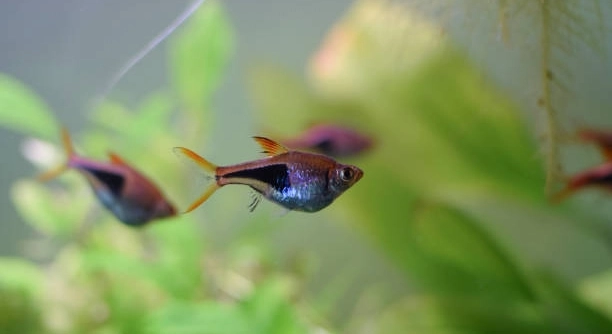
Rasboras are popular small fish often found in home aquariums. Sometimes, they may swim upside down, which can surprise many fish keepers. This behavior might indicate specific issues or natural traits in these lively little swimmers.
Upside-down swimming in Rasboras is usually caused by swim bladder problems, poor water quality, stress, infections, or injury. These factors affect their buoyancy and balance, leading to this unusual swimming pattern that signals underlying health or environmental concerns.
Understanding why your Rasbora swims upside down can help you identify potential problems and take proper care of your fish to keep them healthy and comfortable.
Swim Bladder Disorder
Swim bladder disorder is one of the most common reasons Rasboras swim upside down. The swim bladder is an internal organ that helps fish control their buoyancy and maintain balance. When this organ is damaged or affected by infection, the fish may struggle to swim properly. Overfeeding or a diet lacking in fiber can also cause constipation, putting pressure on the swim bladder. In some cases, physical injury can lead to swim bladder issues. If you notice your Rasbora swimming upside down, it’s important to check for signs like bloating or difficulty swimming. Treating the underlying cause early can improve your fish’s condition and prevent further problems.
This disorder can be temporary or chronic depending on the cause, but timely care often leads to recovery.
Keeping an eye on feeding habits and water quality can prevent swim bladder problems. Providing a balanced diet with occasional fasting helps maintain digestive health. If needed, medications prescribed by a vet can treat infections affecting the swim bladder. Proper tank maintenance and gentle handling reduce the risk of injury, supporting your Rasbora’s well-being.
Water Quality Issues
Poor water quality stresses Rasboras and affects their swimming behavior. Dirty or unbalanced water can lower oxygen levels and expose fish to harmful substances, causing disorientation and upside-down swimming.
Maintaining clean water through regular tank cleaning and proper filtration is essential for healthy Rasboras.
Test your tank water regularly for ammonia, nitrites, and pH levels. Sudden changes in water parameters can shock fish and disrupt their balance. Performing partial water changes keeps toxin levels low and provides fresh oxygenated water. Avoid overcrowding the tank, as it increases waste and reduces water quality. Using a water conditioner helps neutralize harmful chemicals in tap water. Ensuring a stable environment reduces stress and supports your fish’s natural behavior, preventing swimming issues related to water quality.
Stress and Anxiety
Stress can cause Rasboras to swim upside down. Changes in their environment, sudden movements, or aggressive tank mates may lead to anxiety. Stress affects their balance and behavior noticeably.
Stress disrupts a fish’s normal functions, making swimming difficult. Loud noises or frequent tapping on the tank glass can startle Rasboras. Inadequate hiding places also increase stress, as the fish feel exposed. Stress weakens their immune system, making them more vulnerable to illness. Creating a calm environment with plants or decorations helps them feel secure. Avoid sudden changes in lighting or water temperature to keep stress levels low. Monitoring tank mates’ behavior ensures Rasboras are not bullied, which reduces anxiety and upside-down swimming incidents.
To reduce stress, maintain consistent water conditions and limit disturbances. Providing a stable environment supports Rasboras’ natural behavior and improves their overall health. When fish are less stressed, they swim normally and show better vitality.
Infection and Disease
Bacterial or parasitic infections can affect Rasboras’ nervous and swim bladder systems, causing unusual swimming patterns. These illnesses often result from poor tank hygiene or exposure to infected fish.
Infections can cause internal damage or swelling, impairing the fish’s ability to control buoyancy. Symptoms include lethargy, loss of appetite, and changes in color or fins. Early diagnosis and treatment are crucial to prevent worsening conditions. Quarantining sick fish and treating the tank helps control the spread of disease. Using appropriate medications, such as antibiotics or antiparasitic treatments, supports recovery. Regular tank maintenance and avoiding overcrowding reduce infection risks.
Observing your Rasboras daily helps catch signs of illness early. Prompt action gives them a better chance to recover and return to normal swimming behavior.
Injury
Injuries can cause Rasboras to swim upside down if their swim bladder or muscles are affected. Rough handling or sharp decorations may lead to physical damage.
Avoid sharp objects in the tank and handle fish gently during tank maintenance or transfers to prevent injuries.
Genetic or Developmental Issues
Some Rasboras may have inherited or developmental defects that affect their swim bladder or nervous system. These problems can cause balance difficulties from a young age.
Fish with genetic issues might show upside-down swimming throughout their life. Unfortunately, these conditions are often permanent and require special care to keep the fish comfortable.
Overfeeding
Overfeeding causes digestive problems, leading to swim bladder pressure and buoyancy issues. Feeding too much or too often can result in constipation or bloating.
Managing portion sizes and feeding frequency helps maintain your Rasbora’s digestive health and normal swimming behavior.
FAQ
Why is my Rasbora swimming upside down only sometimes?
Upside-down swimming that happens occasionally may be due to temporary stress or minor swim bladder irritation. Changes in feeding, water conditions, or mild infections can cause short episodes. If the behavior is not persistent, adjusting diet and tank care often helps resolve the issue.
How can I tell if my Rasbora has a swim bladder problem?
Signs include difficulty maintaining balance, floating to the surface, or sinking to the bottom. Your fish may also tilt or swim sideways. Look for bloating or abnormal swimming patterns. These symptoms suggest the swim bladder is not functioning properly and may need attention.
What is the best way to treat swim bladder disorder?
Treatment depends on the cause. Fasting your fish for one or two days can relieve constipation-related pressure. Feeding shelled peas is a natural remedy to aid digestion. If infection is suspected, medications prescribed for swim bladder-related bacterial issues can help. Always maintain clean water to support recovery.
Can water quality really affect my Rasbora’s swimming?
Yes. Poor water quality introduces toxins and reduces oxygen, causing disorientation and stress. Regular water testing, partial water changes, and good filtration maintain a safe environment, preventing swim problems caused by polluted or unstable water.
Is stress a common reason for upside-down swimming?
Stress is very common and often overlooked. Loud noises, sudden changes, overcrowding, or aggressive tank mates make Rasboras anxious. This anxiety can disrupt normal swimming and balance. Providing hiding spots and minimizing disturbances reduces stress significantly.
What kind of diet helps prevent swimming issues?
A balanced diet with variety is essential. Avoid overfeeding, which leads to constipation and swim bladder pressure. Include high-fiber foods like peas and avoid fatty or low-quality flakes. Feeding smaller amounts two to three times daily supports digestive health and buoyancy.
Can infections cause this behavior?
Yes, bacterial and parasitic infections can damage the swim bladder or nervous system. Early signs include lethargy and color changes along with swimming problems. Treating infections quickly with the right medication is important to avoid permanent damage.
How do injuries cause upside-down swimming?
Physical trauma from rough handling, tank decorations, or fights with other fish can harm the swim bladder or muscles. Injuries can affect balance and lead to abnormal swimming. Prevent injuries by using smooth tank decor and gentle handling during tank maintenance.
Are some Rasboras born with swimming problems?
Genetic or developmental issues can affect swim bladder function or balance. Fish with these conditions may swim upside down throughout their life. These cases require patient care, with an emphasis on minimizing stress and providing comfortable tank conditions.
Should I separate a Rasbora that swims upside down?
Separating sick fish can prevent the spread of infections and reduce stress from aggressive tank mates. Quarantine in a hospital tank allows for easier monitoring and treatment. However, permanent conditions like genetic defects don’t require isolation unless the fish is at risk of injury.
How often should I clean the tank to prevent problems?
Regular tank cleaning is essential. Partial water changes of about 20-30% weekly help maintain water quality. Avoid overcleaning, which can disrupt beneficial bacteria. Consistent maintenance keeps water stable and reduces risks of stress, infections, and swim bladder issues.
Can overfeeding cause long-term swimming problems?
Overfeeding leads to chronic digestive issues, swelling, and swim bladder pressure. If repeated often, it can cause lasting damage. Adjust feeding habits immediately by reducing portions and increasing fiber-rich foods to avoid long-term effects on your fish’s swimming.
Is it normal for Rasboras to swim upside down occasionally?
Occasional upside-down swimming is not normal and usually signals a problem. Brief episodes might happen due to minor stress or digestion, but repeated or prolonged behavior requires attention to diet, water quality, or health.
Can tank mates influence this behavior?
Yes. Aggressive or overly active tank mates stress Rasboras and may cause injuries. Such stress leads to unusual swimming. Choosing peaceful species and providing enough space can minimize conflicts and reduce swimming problems.
What immediate steps can I take if my Rasbora starts swimming upside down?
Check water parameters first. Perform a partial water change if needed. Adjust feeding by fasting for a day and then feeding shelled peas. Observe your fish for other signs like spots or lethargy. If problems continue, consider isolating the fish for treatment.
Upside-down swimming in Rasboras is a clear signal that something may not be right. This behavior often points to issues like swim bladder disorders, stress, or poor water quality. While it can be worrying to see your fish struggling to swim normally, understanding the common causes helps in taking quick and effective action. Many problems are manageable with proper care, including maintaining a clean tank, feeding a balanced diet, and providing a calm environment. By paying close attention to your Rasbora’s behavior and tank conditions, you can often prevent or resolve these issues before they become serious.
Maintaining good water quality is one of the most important steps to keep Rasboras healthy and swimming properly. Regular water testing and partial water changes help keep toxins low and oxygen levels high. Overfeeding and sudden changes in the tank environment can create stress and digestive problems, leading to swim bladder issues. Creating a stable, peaceful habitat with plenty of hiding spots reduces anxiety and protects fish from injury or bullying. When your Rasbora’s environment is well cared for, they are more likely to swim normally and live longer, healthier lives.
If your Rasbora does swim upside down, it’s important to act calmly and observe closely. Identifying whether the cause is diet-related, environmental, or health-based guides the right response. Sometimes simple changes like adjusting feeding routines or improving water quality make a big difference. In other cases, medical treatment or separating the fish may be necessary. While some problems might be chronic or genetic, providing consistent care and minimizing stress supports your Rasbora’s comfort and well-being. Keeping a watchful eye on your fish ensures they stay active and enjoy their aquarium home.

Hello,
If you enjoy the content that we create, please consider saying a "Thank You!" by leaving a tip.
Every little bit helps us continue crafting quality advice that supports the health, happiness, and well-being of pets around the world, for pets of all shapes, sizes, and species.
We really appreciate the kindness and support that you show us!