
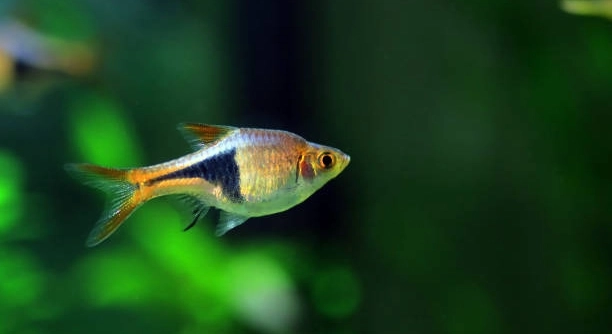
Rasboras are small, peaceful fish that many enjoy keeping in home aquariums. Sometimes, they avoid certain areas of their tank, which can be puzzling for owners. Understanding why this happens can help maintain a healthy environment for these delicate fish.
Rasboras may avoid specific areas due to water quality, temperature fluctuations, lack of hiding spots, aggressive tank mates, improper lighting, inadequate food distribution, or stress from sudden changes. These factors influence their comfort and natural behavior significantly.
Recognizing these reasons can help you create a better habitat for your rasboras, promoting their well-being and vibrant activity throughout the tank.
Water Quality Issues
Poor water quality is one of the most common reasons rasboras avoid certain areas in their tank. High levels of ammonia, nitrites, or nitrates can stress fish and make them seek cleaner parts of the aquarium. Uneven filtration may cause some areas to have stagnant water, which is uncomfortable for rasboras. Additionally, sudden changes in water parameters, such as pH or hardness, can lead to discomfort and avoidance behavior. Regular water testing and maintenance are crucial to keep conditions stable and suitable for rasboras. It’s important to clean the tank regularly and ensure the filtration system is working properly to maintain an even distribution of clean water. By keeping the water quality high, rasboras will feel more comfortable exploring the entire tank instead of sticking to one area. Monitoring water quality is a simple step that can prevent many behavioral issues in these fish.
Uneven water conditions cause rasboras to prefer certain areas, avoiding spots with poor quality or toxins.
Maintaining consistent water quality requires routine testing and cleaning. Test kits help detect harmful chemicals early. Changing 10-20% of the water weekly keeps toxins low. A good filter promotes water circulation, preventing dead zones. Avoid overfeeding to reduce waste buildup. Stable conditions support rasbora health, encouraging even tank use and natural behavior. When water quality is balanced, rasboras are more active and less stressed, which enhances their color and overall well-being. Simple steps to maintain water quality make a big difference in your fish’s comfort.
Lack of Hiding Spots
Rasboras are naturally shy and seek shelter when feeling threatened or stressed. Tanks without enough hiding places can make them avoid open areas. They need plants, rocks, or decorations to feel safe. Without these, they may cluster near the tank edges or corners, where they sense protection. Providing dense plants or small caves gives them spaces to retreat and rest. This reduces stress and encourages exploration. Natural or artificial plants work well to create cover. Even simple structures like driftwood or smooth stones can help break up open spaces. The more hiding spots, the more comfortable rasboras feel in the tank. When they have safe places nearby, they are more likely to swim freely and display normal behaviors.
Adding hiding spots improves tank balance and makes rasboras feel secure and relaxed.
Temperature Fluctuations
Rasboras are sensitive to sudden changes in water temperature. Rapid shifts can make them avoid certain tank areas where temperatures feel unstable.
Maintaining a steady temperature between 72°F and 78°F is essential for rasbora comfort. Fluctuations cause stress, leading to hiding or inactivity. A reliable heater and thermometer help keep the temperature consistent. Avoid placing the tank near windows or vents where drafts or sunlight might cause sudden changes. Temperature stability supports healthy metabolism and immune function in rasboras. When conditions are right, they swim actively and explore all areas.
If the temperature varies too much across the tank, rasboras might stay in spots where the warmth feels stable. Using a quality heater with a thermostat ensures the entire aquarium maintains the proper temperature range. Regular checks prevent unnoticed drops or spikes. This simple care step helps rasboras feel secure and reduces the risk of illness caused by stress or cold shock.
Aggressive Tank Mates
Aggressive fish can intimidate rasboras, causing them to avoid areas where these tank mates roam. This behavior protects them from potential harm.
Choosing peaceful tank mates is vital to rasbora well-being. Aggressive or territorial species chase or bully smaller fish, making rasboras hide or isolate themselves. Even subtle intimidation affects their behavior and health. Compatible species allow rasboras to move freely without fear. Adding plenty of hiding spots can reduce conflict but doesn’t replace the need for careful selection of tank mates. Observing interactions helps identify problem fish early, preventing stress-related illnesses in rasboras. A calm tank encourages natural activity and vibrant colors.
Improper Lighting
Rasboras prefer moderate lighting. Too bright or too dim lights can make them avoid certain tank areas.
Strong lighting causes stress and discomfort, pushing them toward shaded corners. Dim light helps them feel secure but too little light affects their activity and color.
Inadequate Food Distribution
Uneven feeding can cause rasboras to gather only in areas where food is available. They avoid spots with little or no food.
Consistent and evenly spread feeding ensures all fish get enough nutrition. This reduces competition and helps rasboras explore the entire tank comfortably.
Stress from Sudden Changes
Sudden changes in the tank environment make rasboras anxious and avoid areas linked to discomfort. Stability is key for their well-being.
FAQ
Why do rasboras hide all the time?
Rasboras often hide because they feel stressed or unsafe. This can happen due to poor water quality, aggressive tank mates, or lack of hiding spots. They naturally seek shelter to protect themselves. Improving tank conditions and adding plants or decorations can encourage them to swim more openly.
How can I make my rasboras feel safer in the tank?
Provide plenty of plants, rocks, or caves where they can hide. Keep water quality stable by doing regular tests and water changes. Avoid sudden changes in temperature or lighting. Also, choose peaceful tank mates that won’t stress or chase your rasboras.
Is water temperature really that important for rasboras?
Yes, maintaining a consistent temperature between 72°F and 78°F is crucial. Sudden drops or spikes in temperature can cause stress, illness, or cause them to avoid parts of the tank. Use a reliable heater and thermometer to keep the environment stable.
What should I do if my rasboras avoid feeding areas?
Make sure food is spread evenly across the tank. Overfeeding in one spot may cause fish to crowd there while ignoring other areas. Feeding small amounts multiple times a day helps reduce competition and encourages all fish to eat.
Can lighting affect rasbora behavior?
Yes, rasboras prefer moderate lighting. Too bright can stress them, causing them to avoid open areas. Too dim lighting can reduce their activity and dull their colors. Use adjustable lighting to find a balance that suits your fish.
How do I know if my tank mates are stressing my rasboras?
If you notice rasboras hiding more, showing signs of injury, or reduced activity, aggressive tank mates could be the cause. Observe how fish interact and consider separating aggressive species or rearranging the tank to provide more hiding spots.
How often should I test the water for my rasboras?
Test water at least once a week for ammonia, nitrites, nitrates, and pH. Frequent testing helps catch issues early and keeps the environment safe. Regular maintenance like partial water changes supports healthy water conditions.
Can sudden changes in the tank cause long-term problems?
Yes, sudden changes like moving decorations, changing water parameters, or adding new fish can cause stress. Stress weakens the immune system, making rasboras more prone to disease. Introduce changes gradually to avoid this.
What signs indicate that water quality is poor?
Cloudy water, algae growth, fish gasping at the surface, or unusual hiding behavior can signal poor water quality. Testing and fixing the issue quickly can prevent health problems and improve rasbora behavior.
Are there specific foods best suited for rasboras?
Rasboras thrive on a varied diet including flakes, pellets, and frozen or live foods like daphnia and brine shrimp. A balanced diet supports their health and bright colors. Avoid overfeeding to maintain water quality.
Can I keep rasboras alone in a tank?
Rasboras are schooling fish and do best in groups of six or more. Alone, they may feel stressed and hide more. Keeping them in groups encourages natural behavior and helps reduce anxiety.
What is the best way to introduce new rasboras to an established tank?
Acclimate new fish slowly by floating their bag in the tank to equalize temperature, then gradually mix tank water into the bag before release. This reduces stress and shock, helping them adjust smoothly to the environment.
Final Thoughts
Rasboras are small, delicate fish that need a stable and comfortable environment to thrive. When they avoid certain areas of the tank, it is often a sign that something in their surroundings is not ideal. Factors such as water quality, temperature, tank mates, and lighting all affect where they choose to swim or hide. Paying attention to these elements and maintaining them properly helps ensure your rasboras remain healthy and active. Simple actions like regular water changes, steady temperature control, and creating hiding places go a long way toward improving their comfort.
It is important to understand that rasboras are sensitive to stress. Sudden changes or aggressive fish can make them feel unsafe, causing them to avoid open areas or certain spots in the aquarium. Providing a calm and peaceful tank environment reduces their stress levels and promotes natural behavior. Observing your fish regularly helps you notice early signs of discomfort or illness. When you act on these signs quickly, you can prevent bigger problems and keep your rasboras happy.
Overall, creating the right environment for your rasboras requires consistency and care. Avoid sudden shifts in water parameters or tank setup and ensure they have enough space and hiding spots. Good feeding habits and selecting compatible tank mates also contribute to their well-being. When all these factors come together, rasboras will explore their whole tank freely and show vibrant colors. Taking time to maintain these conditions makes a positive difference in your aquarium’s health and your enjoyment as a fishkeeper.

Hello,
If you enjoy the content that we create, please consider saying a "Thank You!" by leaving a tip.
Every little bit helps us continue crafting quality advice that supports the health, happiness, and well-being of pets around the world, for pets of all shapes, sizes, and species.
We really appreciate the kindness and support that you show us!