
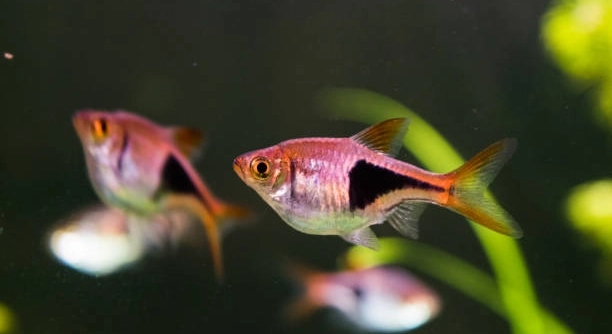
Rasboras are popular aquarium fish known for their small size and peaceful nature. Many fishkeepers enjoy watching them swim in community tanks. However, some owners notice their rasboras dying sooner than expected, which can be frustrating and sad.
Premature death in rasboras often results from poor water quality, improper diet, overcrowding, stress, disease, sudden temperature changes, or inadequate tank conditions. Each factor can weaken their immune system, leading to early mortality if not addressed properly.
Knowing these reasons can help you create a better environment for your rasboras. Understanding what affects their health is key to keeping them happy and thriving in your aquarium.
Poor Water Quality
Maintaining good water quality is essential for keeping rasboras healthy. These small fish are very sensitive to changes in their environment. When ammonia, nitrites, or nitrates build up, it can cause stress and damage their gills. This makes it harder for them to breathe and fight off diseases. Many new fish owners overlook regular water testing and cleaning, which leads to harmful conditions. Even small amounts of toxins can be deadly over time. Using a reliable test kit and changing about 25% of the water weekly helps keep their tank clean and safe. Proper filtration is also necessary to remove waste and prevent harmful chemical buildup. Keeping the water stable in temperature and pH will further reduce stress on rasboras, supporting their overall health and longevity in the aquarium.
Poor water conditions cause rapid deterioration in rasbora health, often leading to death if not corrected quickly.
Regular maintenance and water testing help avoid these dangerous conditions, giving rasboras a healthier environment to thrive.
Improper Diet
Feeding rasboras the right diet is vital for their growth and well-being. Many owners give only flakes or pellets, which may lack essential nutrients. Rasboras need a varied diet that includes live or frozen foods like daphnia, brine shrimp, or bloodworms to stay healthy. These protein sources support their immune system and vibrant coloration. Overfeeding is also a common mistake, causing leftover food to rot and pollute the tank. This can increase bacteria and worsen water quality, harming the fish further. Feeding small amounts two or three times a day is best, allowing the fish to consume all food quickly. Ensuring balanced nutrition and avoiding overfeeding will strengthen rasboras and help prevent premature death caused by malnutrition or water contamination.
Overcrowding
Overcrowding causes stress and poor water quality, making rasboras more vulnerable to illness. Too many fish in one tank means less oxygen and more waste buildup.
When the tank is crowded, rasboras compete for space and food, increasing stress levels. Stress weakens their immune systems, which makes it easier for diseases to take hold. Waste from many fish raises ammonia and nitrate levels quickly, leading to toxic water conditions. This can cause gill damage and slower healing from infections. Keeping the tank population appropriate for its size helps reduce aggression and keeps water parameters stable. It also allows each fish enough room to swim freely and behave naturally, which supports their health and longevity.
An overcrowded tank is a common cause of early death in rasboras. Proper stocking levels improve water quality and reduce stress, giving fish a better chance to thrive.
Stress from Environment Changes
Rasboras are sensitive to sudden changes in their surroundings, which causes stress. This can happen with rapid temperature shifts, new tankmates, or rearranged decorations.
Stress impacts their immune system, making it harder for rasboras to fight infections and adapt. For example, sudden drops or rises in water temperature can shock their bodies. Introducing aggressive fish or changing the tank layout without a gradual adjustment can confuse and frighten them. Even loud noises or vibrations near the aquarium can cause distress. Minimizing sudden changes and providing hiding spots helps rasboras feel secure. A stable environment with consistent conditions is key to reducing stress and preventing premature death caused by weakened defenses.
Disease and Parasites
Diseases and parasites are a major threat to rasboras if not detected early. They can spread quickly in an aquarium, especially with poor water quality or stress.
Common illnesses include ich, fin rot, and fungal infections. Parasites like flukes also cause harm, weakening fish and often leading to death without treatment.
Sudden Temperature Changes
Rasboras do best in stable temperatures between 72°F and 78°F (22°C–26°C). Sudden drops or spikes can shock their systems and cause illness. Consistent heating and monitoring prevent these harmful fluctuations.
Inadequate Tank Conditions
A tank lacking proper plants, hiding spots, or space stresses rasboras. Without cover, they feel exposed and vulnerable. Creating a comfortable environment supports their natural behavior and health.
FAQ
What is the best water temperature for rasboras?
Rasboras thrive in water temperatures between 72°F and 78°F (22°C to 26°C). Keeping the temperature steady within this range helps avoid stress and illness. Using a reliable aquarium heater and thermometer makes it easier to maintain stable conditions, which is crucial for their health.
How often should I clean the tank to keep rasboras healthy?
Regular cleaning is key to good water quality. Changing about 25% of the water every week helps remove waste and harmful chemicals. Cleaning the filter monthly and removing leftover food also prevent buildup that can harm your fish.
Can I keep rasboras with other fish?
Yes, rasboras are peaceful and do well in community tanks with other small, non-aggressive fish. Avoid keeping them with larger or aggressive species that might stress or harm them. Providing plenty of hiding spots helps reduce stress in mixed tanks.
What should I feed my rasboras?
A varied diet is best. Offer high-quality flakes or pellets designed for small tropical fish, supplemented with live or frozen foods like brine shrimp, daphnia, or bloodworms. Feeding small amounts two to three times daily prevents overfeeding and keeps water clean.
How many rasboras should I keep in one tank?
Rasboras are schooling fish and should be kept in groups of at least six. This number helps them feel secure and behave naturally. The tank size should be large enough—generally at least 10 gallons—to provide enough space for the group.
What are signs that my rasboras are stressed?
Signs include hiding more than usual, loss of color, erratic swimming, or not eating. Stress can result from poor water conditions, sudden changes, overcrowding, or aggressive tankmates. Addressing the cause quickly is important to prevent illness.
How can I prevent diseases in my rasboras?
Maintaining clean water, a balanced diet, and stable tank conditions reduces disease risk. Quarantining new fish before adding them to the main tank prevents introducing illnesses. Observing your fish daily helps catch early signs of sickness.
Why do rasboras sometimes die even if I follow all care instructions?
Even with proper care, factors like genetics, stress from transport, or hidden infections can cause premature death. Being patient and attentive, and consulting with experienced hobbyists or vets, can help improve success in keeping rasboras healthy.
Rasboras are beautiful and peaceful fish that bring life to many home aquariums. They require careful attention to their environment and needs to stay healthy. Understanding the common reasons why rasboras die prematurely helps fishkeepers provide better care. Factors like poor water quality, improper diet, overcrowding, and stress all play important roles. Addressing these issues early can improve the chances of keeping rasboras alive and well for a longer time. Regular monitoring of water conditions and tank setup is necessary to catch problems before they become serious.
Taking good care of rasboras means creating a stable and comfortable environment for them. Stable water temperature, clean water, and proper filtration are essential. Feeding them a varied and balanced diet supports their immune system and overall health. It is important to avoid overcrowding the tank because too many fish lead to stress and poor water quality. Providing hiding places and a calm environment reduces stress and helps rasboras feel safe. When new fish are introduced, they should be quarantined first to prevent the spread of disease. Paying attention to these details can make a big difference in their lifespan.
Even with the best care, some rasboras may still face challenges due to genetics or hidden illnesses. It is important to be patient and learn from each experience. Observing your fish daily helps catch signs of stress or disease early, allowing for quick action. Creating the right tank conditions and maintaining proper care habits will increase the chances of success. By following these simple steps, you can enjoy watching healthy rasboras swim gracefully in your aquarium. Their bright colors and peaceful behavior are rewarding for any fishkeeper who puts in the effort to meet their needs.

Hello,
If you enjoy the content that we create, please consider saying a "Thank You!" by leaving a tip.
Every little bit helps us continue crafting quality advice that supports the health, happiness, and well-being of pets around the world, for pets of all shapes, sizes, and species.
We really appreciate the kindness and support that you show us!