
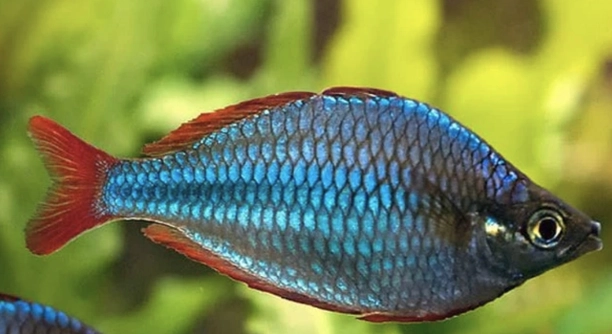
Rainbow fish are known for their vibrant colors and lively swimming patterns. However, you may have noticed that some of them prefer staying near the bottom of their tanks. This behavior is quite common, and understanding why can help you care for your fish better.
Rainbow fish typically stay at the bottom due to factors like natural behavior, tank conditions, and environmental stressors. They may feel safer closer to the substrate or seek areas with more stable water temperatures, which are often found near the bottom.
There are several reasons why your rainbow fish may prefer to stay closer to the bottom. Understanding these factors will help ensure they stay healthy and comfortable in their environment.
Natural Behavior of Rainbow Fish
Rainbow fish, like many species, have natural behaviors that influence where they spend most of their time in the tank. In the wild, rainbow fish are often found in areas with plenty of plants, rocks, and submerged structures that help them feel safe. These fish tend to stay near the bottom or middle areas of their habitats, using plants and other structures for cover. When placed in a home aquarium, they may continue this behavior, staying closer to the substrate where they can hide and rest. This behavior is simply a part of who they are and can be a sign of contentment if their environment resembles their natural habitat.
Rainbow fish are naturally shy and prefer to avoid open spaces. They are not typically surface swimmers, unlike some other types of fish that enjoy being near the top of the water. By staying closer to the bottom, they feel secure from potential threats.
Providing your rainbow fish with plenty of hiding spots, such as plants, rocks, and decorations, can help them feel safe. Without these elements, they may become stressed and more likely to stay at the bottom. If your aquarium lacks these features, your rainbow fish may display more bottom-dwelling behavior, signaling that they are not comfortable in their environment. This is an easy fix—adding plants and decorations can encourage them to explore more of the tank. A well-planted aquarium provides a sense of security for them, and they may swim around more if they feel their surroundings are safe.
Water Conditions and Temperature Preferences
Rainbow fish are sensitive to water conditions, and they often choose to stay near the bottom if the water temperature or quality isn’t ideal. They prefer stable water temperatures, typically between 72°F and 79°F (22°C to 26°C). If the water temperature fluctuates too much, the fish may seek more stable areas at the bottom where the temperature is more consistent.
Consistent water quality is just as important. Rainbow fish need clean, well-filtered water to thrive. If the water is too acidic or contains too much waste, it can make them feel uncomfortable, leading them to seek out the bottom of the tank. Regular water changes, proper filtration, and monitoring water parameters are essential for creating a healthy environment.
A simple water test can help determine if your rainbow fish are experiencing stress due to poor water conditions. Adjusting the temperature and ensuring the water is clean can encourage them to swim more freely throughout the tank.
Stress and Anxiety in Rainbow Fish
Stress can cause rainbow fish to retreat to the bottom of the tank. Stressors such as sudden changes in water temperature, overcrowding, or aggressive tank mates can make them feel threatened. These fish often hide at the bottom to avoid interactions or disturbances.
Stress from poor water quality or incompatible fish species can also lead them to avoid swimming at the surface. They may stay low in the tank to keep away from the perceived threats. When stressed, their behavior may change, and they’ll be less active, leading them to stay near the bottom.
Maintaining a peaceful tank environment is key to minimizing stress. Rainbow fish thrive in calm, well-maintained tanks with compatible fish species. Adding hiding spots and plants can also help reduce their anxiety and encourage natural swimming behavior. Regular water testing and maintaining a consistent environment are the best ways to support their well-being.
Tank Size and Space Limitations
A small tank may not provide enough space for rainbow fish to swim freely. In cramped environments, they may feel trapped, leading them to stay at the bottom. When they are confined, they seek comfort by staying low, where they feel less exposed.
If your tank is too small or overcrowded, rainbow fish may be more inclined to stick to the bottom. Providing more space allows them to swim comfortably and explore different levels of the tank. A larger tank gives them the freedom to move around, and the addition of plants or decorations can help encourage their natural behavior.
A proper tank size also contributes to a healthier environment, reducing stress. Ensuring your rainbow fish have enough room to roam will keep them active and happier, helping them move freely throughout the aquarium rather than remaining at the bottom.
Feeding Habits of Rainbow Fish
Rainbow fish may stay at the bottom during feeding time. They are often more comfortable eating near the substrate, where food naturally sinks. This can lead them to spend more time at the bottom of the tank.
By providing sinking food pellets, rainbow fish will naturally congregate near the bottom to feed. It’s a behavior seen in many species, where they prefer to stay in areas where they feel they can easily access food without competition from other tank mates.
Ensuring proper feeding habits by offering food at different levels of the tank can help encourage them to swim throughout the aquarium. Regular feeding schedules and a variety of food types also promote healthier, more active rainbow fish.
Tank Setup and Layout
The layout of your aquarium can influence where your rainbow fish spend most of their time. If the bottom of the tank has plants or rocks, they may prefer to stay near those areas for shelter and security.
Adding hiding spots or structured plants near the bottom can also make your rainbow fish feel more at ease. This allows them to feel secure and encourages natural behavior. A tank that mimics their natural environment will support their need for privacy and reduce stress, making them more comfortable overall.
Health Issues
If rainbow fish are unwell, they may spend more time near the bottom of the tank. Illness or injury can make them feel weak, and they will seek a calmer area where they don’t have to swim as much.
It’s important to monitor their behavior and watch for any signs of distress or unusual swimming patterns. When fish are sick, they may lose their appetite or exhibit lethargy, causing them to retreat to the bottom more frequently. Observing changes in their behavior can help identify health issues early and allow you to treat them properly.
FAQ
Why do rainbow fish stay at the bottom of the tank?
Rainbow fish may stay at the bottom for several reasons, including feeling safer there. In the wild, they often live in environments with rocks, plants, and other structures that provide shelter. When kept in an aquarium, rainbow fish may choose to stay at the bottom because it resembles their natural habitat. It could also be a response to water temperature, stress, or tank setup. Some may prefer this area because it feels more secure compared to swimming in open water at the top of the tank.
How can I encourage my rainbow fish to swim at the top of the tank?
If your rainbow fish spend too much time at the bottom, you can encourage them to explore other areas of the tank by adjusting their environment. Adding floating plants or decorations can provide a sense of security at the top of the tank. You can also ensure the water temperature is stable and within their preferred range (72°F to 79°F). Providing a variety of food options at different levels of the tank encourages them to swim and explore. Maintaining a peaceful, well-filtered aquarium helps them feel more confident to swim around.
Can stress cause rainbow fish to stay at the bottom?
Yes, stress is a major factor. If rainbow fish feel threatened by tank mates, loud noises, or sudden changes in their environment, they may seek the bottom as a refuge. Overcrowding, aggressive fish, or improper water conditions can make them anxious, causing them to retreat to the bottom for comfort. To minimize stress, it’s important to ensure they have plenty of hiding spots, maintain water quality, and avoid aggressive tank mates.
Is it normal for rainbow fish to stay at the bottom all the time?
While rainbow fish often rest at the bottom, staying there all the time could indicate an issue. If they’re spending most of their time near the substrate, check the water quality and temperature. Also, make sure your tank is big enough and that there are no stress factors like overcrowding or aggressive fish. Illnesses can also cause them to stay at the bottom more than usual, so keep an eye out for any signs of disease.
What are the signs of stress in rainbow fish?
Signs of stress in rainbow fish include swimming in erratic patterns, hiding more than usual, or staying at the bottom for extended periods. They may also display faded colors or lose their appetite. If your fish are constantly staying near the bottom and seem lethargic, this could indicate stress or illness. Monitoring their environment and behavior regularly can help you spot stress early and take corrective actions.
How do I know if my rainbow fish are healthy?
Healthy rainbow fish are active, colorful, and swim throughout the tank. They should show curiosity when new food is added and interact with their surroundings. A healthy rainbow fish will have bright colors and clear eyes. If they are spending most of their time at the bottom, not eating, or displaying a loss of color, they may be ill or stressed.
Can rainbow fish stay at the bottom if the tank is too small?
Yes, if the tank is too small or overcrowded, rainbow fish may not have enough space to swim freely, which could cause them to stay at the bottom. A cramped environment limits their movement, making them feel more secure near the substrate. Ensuring your aquarium is large enough and not overcrowded can help your rainbow fish stay healthy and active.
Should I add plants or decorations to my tank to keep my rainbow fish comfortable?
Adding plants, rocks, and decorations can help mimic the rainbow fish’s natural habitat, which can make them feel more comfortable. These items provide hiding spots and resting areas, which are especially helpful for reducing stress. Be sure to arrange these elements in a way that doesn’t crowd the fish but still offers plenty of places to hide and swim.
Can I keep rainbow fish with other species, or do they prefer solitude?
Rainbow fish are generally peaceful and can be kept with other non-aggressive species. However, some types of fish may be too aggressive for rainbow fish, leading to stress. It’s important to choose tank mates carefully. Species that are peaceful and share similar water requirements are ideal companions for rainbow fish.
How often should I feed my rainbow fish?
Rainbow fish are typically fed once or twice a day, depending on their age and size. Offering them small amounts of food ensures they get the right nutrients without polluting the water. It’s a good idea to feed them a variety of food, including flakes, pellets, and live or frozen foods, to provide a balanced diet.
Can water temperature affect where rainbow fish swim?
Yes, temperature plays a crucial role in rainbow fish behavior. They prefer a consistent water temperature between 72°F and 79°F. If the temperature fluctuates or is outside this range, rainbow fish may become stressed and retreat to the bottom where the temperature is more stable. Make sure your aquarium has a reliable heater and thermometer to maintain the ideal water temperature.
What should I do if my rainbow fish are acting lethargic?
Lethargy in rainbow fish can be a sign of poor water quality, stress, or illness. Begin by checking the water parameters, including pH, ammonia levels, and temperature. Make sure the fish have enough space and aren’t being stressed by aggressive tank mates. If there’s no improvement, it may be necessary to consult an aquarium professional to rule out health issues.
Final Thoughts
Rainbow fish staying at the bottom of the tank can be completely normal, but it’s important to consider the underlying factors that may influence their behavior. These fish often feel more secure near the bottom, especially when they have access to hiding spots like plants, rocks, or decorations. Their natural instincts drive them to seek shelter and safety, which is why they may spend more time in this area. However, if they are staying there all the time and showing signs of stress, such as lethargy or faded colors, it’s worth investigating further.
The health and comfort of your rainbow fish depend on several things, such as water quality, temperature, and tank conditions. Maintaining a stable environment can go a long way in helping them feel secure and active. Regular water changes, proper filtration, and monitoring the temperature are essential steps to keep them in optimal health. A well-sized tank with plenty of space to swim, along with appropriate tank mates, can reduce stress and encourage your fish to explore different parts of the aquarium.
It’s also important to pay attention to their feeding habits and ensure they are receiving the right nutrients. Offering food at different levels in the tank can motivate them to swim higher, as they naturally search for food in various areas. By creating an environment that supports their natural behaviors and needs, you can help your rainbow fish thrive. Remember, while it’s normal for them to stay at the bottom from time to time, a balanced aquarium setup and a bit of attention can encourage them to be more active and healthier overall.

Hello,
If you enjoy the content that we create, please consider saying a "Thank You!" by leaving a tip.
Every little bit helps us continue crafting quality advice that supports the health, happiness, and well-being of pets around the world, for pets of all shapes, sizes, and species.
We really appreciate the kindness and support that you show us!