
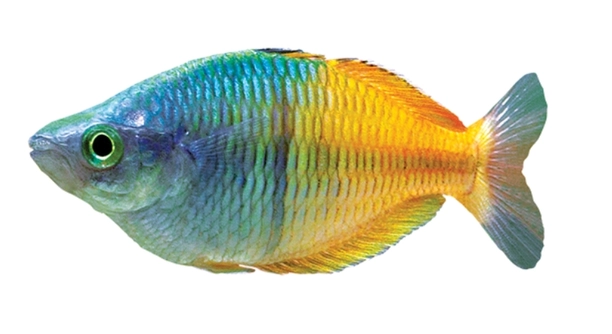
Rainbow fish are often loved for their vibrant colors and playful nature. However, if your rainbow fish seem a bit sleepy during the day, you might be wondering what’s going on with them. This article explores the potential reasons.
Rainbow fish may appear sluggish during the day due to several factors, including water temperature, diet, and environmental stress. These fish can also experience fatigue if they are not getting enough stimulation or if the water quality is poor.
Several elements contribute to their behavior, and understanding them can help ensure your fish stay healthy and active in their aquatic environment.
Temperature Fluctuations Can Affect Their Energy Levels
Rainbow fish are sensitive to temperature changes in their environment. When the water is too cold or too hot, they can become lethargic and less active. Ideal water temperature for rainbow fish is typically between 72-78°F (22-26°C). If the temperature drops too low, their metabolism slows down, making them less responsive. Similarly, if the water is too warm, it can cause stress, leading to a decrease in activity levels. You might notice that they appear sleepy or are hiding more often.
Water temperature should be regularly checked with a thermometer to avoid temperature extremes. Sudden shifts in temperature due to improper heater settings can make your rainbow fish feel uncomfortable.
It’s essential to maintain a stable environment for rainbow fish to thrive. They’re not suited for sudden changes in their habitat. Installing a reliable aquarium heater and checking the temperature frequently can keep your fish comfortable, encouraging them to stay active. Stability helps reduce stress and improves their overall health.
Poor Water Quality Could Be a Factor
Water quality directly impacts how active your rainbow fish feel.
If the water is contaminated with high levels of ammonia, nitrites, or nitrates, your fish may show signs of stress, like excessive resting or swimming sluggishly. Poor filtration or overfeeding can lead to these harmful toxins building up, making it harder for your fish to thrive. Make sure to regularly clean the tank and monitor the water parameters to keep the fish healthy. Regular water changes will also ensure that your fish have clean and fresh water to swim in, preventing any unnecessary fatigue.
Inadequate Diet Can Lead to Low Energy
A poor diet can make rainbow fish appear tired and sluggish. If they aren’t getting enough nutrients, they may not have the energy to swim around as they usually would. Make sure they have a balanced diet that includes high-quality flakes, pellets, and occasional live or frozen foods.
An improper diet, especially one lacking essential vitamins and minerals, can cause fish to become weak and unmotivated. It’s important to feed them a variety of foods that cater to their nutritional needs. Overfeeding can also cause issues like poor water quality, leading to further lethargy. By choosing the right foods and feeding in moderation, you can keep your fish healthy and active.
Offering a mix of plant-based foods along with protein-rich options will help maintain their health. It’s vital to avoid feeding them just one type of food, as it can lead to deficiencies. Balanced nutrition encourages activity and supports their immune system, helping them stay vibrant and energetic.
Stress From Tank Mates or Environment
Rainbow fish can get stressed if there is tension with other fish or if they don’t feel safe in their environment. Tank mates that are too aggressive or territorial can make your rainbow fish more withdrawn and less active. Stress can cause them to spend more time hiding and less time swimming around.
A peaceful aquarium with compatible tank mates will help reduce stress and encourage your rainbow fish to be more active. If aggression is an issue, consider rearranging the tank or separating certain fish. It’s also crucial to ensure there are plenty of hiding spots and plants to create a more secure environment. Stress management is key to maintaining their well-being and energy levels.
Overcrowding Can Lead to Fatigue
If your aquarium is overcrowded, rainbow fish may become stressed due to limited space. When fish are crammed together, they can feel cramped, reducing their activity and energy. Ensuring your tank has enough space for each fish can help them stay lively and healthy.
It’s essential to maintain proper stocking levels for the size of your tank. Overcrowding leads to competition for food, shelter, and oxygen, which can negatively impact your fish’s health. Adequate space allows them to swim freely, reducing stress and fatigue. Make sure to regularly assess the number of fish in your tank to avoid overcrowding.
Lack of Mental Stimulation
Rainbow fish are curious creatures that need mental stimulation to stay active. Without enough things to explore or interact with, they can become bored and lethargic. Adding plants, rocks, or decorations to your tank encourages natural behaviors like swimming and foraging, keeping them more engaged.
Illness and Health Issues
Illness can also make rainbow fish act sleepy. If they’re not feeling well, they may retreat to a quiet corner of the tank, resting more than usual. Keep an eye out for signs of disease, such as discoloration or abnormal swimming behavior.
FAQ
Why are my rainbow fish staying at the bottom of the tank?
Rainbow fish often stay at the bottom of the tank if they are feeling stressed, unwell, or the water quality is poor. It could also be a sign of a temperature issue or insufficient oxygen levels. Ensure your aquarium has proper filtration and a stable temperature. Check if the water parameters are in the ideal range and monitor your fish for signs of illness.
Do rainbow fish need a lot of space?
Yes, rainbow fish require ample space to thrive. If they are in a tank that’s too small or overcrowded, they can become stressed and inactive. A 30-gallon tank is a good starting size for a small group of rainbow fish, but the more space they have, the better. Overcrowding can lead to competition for resources and make your fish sluggish.
How do I know if my rainbow fish are sick?
Sick rainbow fish may exhibit several signs, including unusual swimming patterns, discoloration, fin clamping, or hiding more than usual. They may also have visible lesions, faded colors, or torn fins. If you notice any of these signs, it’s important to quarantine the affected fish and check the water quality. A veterinarian or aquarium specialist can help with diagnosis and treatment if necessary.
Can rainbow fish be kept with other species?
Rainbow fish generally do well in community tanks with other peaceful fish. However, they may become stressed if kept with aggressive or territorial species. Make sure to choose tank mates that won’t bully them. Species like tetras, guppies, and peaceful barbs usually get along well with rainbow fish.
How often should I feed my rainbow fish?
Rainbow fish should be fed small amounts of food 1-2 times a day. It’s best to feed them only what they can consume in a few minutes to avoid overfeeding. Offering a variety of foods, including pellets, flakes, and occasional live or frozen foods, will provide balanced nutrition. Overfeeding can lead to poor water quality and lethargy.
Why is my rainbow fish not eating?
If your rainbow fish aren’t eating, it could be due to stress, illness, or a change in water conditions. Check the water parameters to ensure they are within the proper range. Additionally, if you have recently introduced new tank mates or changed the tank’s setup, this can stress the fish. If they still refuse to eat, it might be worth investigating further for possible health issues.
What’s the ideal temperature for rainbow fish?
Rainbow fish prefer a water temperature between 72-78°F (22-26°C). Consistent temperatures are important, as fluctuations can cause stress and lead to inactive behavior. Invest in a reliable aquarium heater and thermometer to maintain the proper temperature range for your fish. Keeping the tank stable will help keep them active and healthy.
Can rainbow fish live alone?
While rainbow fish can technically live alone, they are social creatures that prefer to be kept in small groups of 3 or more. Keeping them in groups helps reduce stress and encourages natural behavior. A solitary rainbow fish might appear lethargic or anxious because they don’t have company to interact with.
How long do rainbow fish live?
Rainbow fish typically live between 5 and 8 years, though some species may live even longer with proper care. Their lifespan can be affected by water quality, diet, and overall tank conditions. Maintaining a healthy environment is key to ensuring they live a long, happy life.
Can I breed rainbow fish in my aquarium?
Yes, rainbow fish can be bred in a well-maintained aquarium. To encourage breeding, provide plenty of plants and hiding spots for the eggs. Rainbow fish are egg layers, and you may need to separate the breeding pair from other tank mates to prevent the eggs from being eaten. Make sure to maintain ideal water conditions to promote successful breeding.
Why do my rainbow fish have faded colors?
Fading colors in rainbow fish can indicate stress, illness, or poor water quality. Make sure the tank conditions are ideal, with appropriate temperature, pH, and oxygen levels. If the problem persists, check for signs of disease or parasites. Stress from overcrowding or incompatible tank mates can also cause color loss.
Can rainbow fish tolerate high pH?
Rainbow fish can tolerate a wide range of pH levels, but they generally prefer a pH between 6.5 and 7.5. Extremely high or low pH can cause stress, which can lead to a decrease in activity or health problems. Regularly monitor the pH levels of your tank to ensure they stay within the optimal range for your rainbow fish.
Do rainbow fish get along with shrimp?
Rainbow fish can generally live peacefully with shrimp, but it depends on the size of the shrimp and the temperament of the fish. Smaller shrimp may be seen as food by larger or more aggressive fish. However, most rainbow fish are calm and won’t bother shrimp unless they are particularly hungry or stressed. Ensure that there are plenty of hiding places for shrimp to feel safe.
How do I reduce stress in my rainbow fish?
To reduce stress, provide a stable and clean environment for your rainbow fish. Avoid overcrowding the tank and ensure that water quality is maintained. Keep tank mates peaceful and offer plenty of hiding spots and plants. Regular maintenance, like water changes and proper filtration, helps prevent stress and encourages active behavior.
Can rainbow fish live in a planted tank?
Yes, rainbow fish thrive in planted tanks. Plants provide hiding spots, improve water quality, and encourage natural behaviors such as foraging. They also help create a more natural environment that can reduce stress. Just make sure the plants are compatible with the lighting and temperature requirements of your rainbow fish.
Final Thoughts
Rainbow fish are generally active and colorful creatures that add beauty to any aquarium. However, if you notice your rainbow fish acting sleepy or lethargic, there may be a variety of reasons behind this behavior. From temperature fluctuations and poor water quality to stress or an improper diet, these factors can significantly impact their activity levels. Understanding the root cause of your rainbow fish’s fatigue is essential to ensuring their well-being and maintaining a healthy, vibrant tank environment.
Ensuring that your rainbow fish are in a stable and comfortable environment is key to keeping them active and happy. Regularly check the water parameters, maintain proper filtration, and ensure that the tank is not overcrowded. Providing a variety of foods, avoiding overfeeding, and offering mental stimulation like plants and decorations will also help keep your fish engaged and energetic. If you notice signs of illness or unusual behavior, it’s always a good idea to consult with an aquarium specialist for advice.
Ultimately, the health and energy of your rainbow fish depend on the care you provide. By paying attention to their needs, such as water quality, diet, and tank mates, you can help prevent them from becoming sluggish. Rainbow fish thrive in environments that mimic their natural habitats, so a little extra attention to their surroundings can go a long way in promoting their overall health and happiness.

Hello,
If you enjoy the content that we create, please consider saying a "Thank You!" by leaving a tip.
Every little bit helps us continue crafting quality advice that supports the health, happiness, and well-being of pets around the world, for pets of all shapes, sizes, and species.
We really appreciate the kindness and support that you show us!