
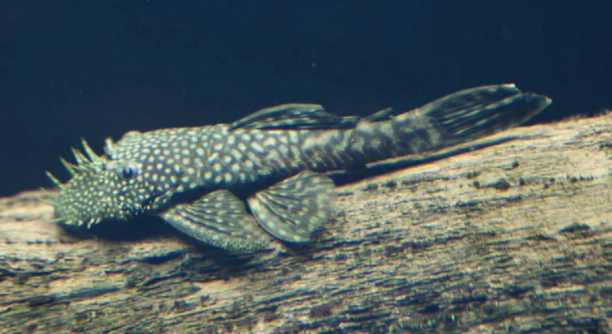
Are your plecos looking dull or not as colorful as they used to be in your aquarium? Color changes can happen over time, and it’s often a sign that something needs attention in their environment or care.
Plecos lose their color due to stress, poor water quality, inadequate diet, or illness. Environmental changes, lack of hiding spots, and incompatible tank mates can also play a role in dulling their natural hues.
Understanding what causes this change and knowing how to respond can make a big difference in keeping your plecos healthy and vibrant.
Poor Water Quality
Plecos are sensitive to poor water conditions. When ammonia or nitrite levels rise, or the pH fluctuates too much, it affects their overall health and appearance. Dirty tanks can cause stress and weaken their immune system, making them more prone to illness. As a result, their color may fade, becoming pale or patchy. Over time, these issues can even shorten their lifespan. Regular water testing is important, and so is routine cleaning. It’s not just about appearance—good water quality keeps your pleco active and comfortable. If the tank looks cloudy or smells off, it’s a sign that something’s wrong.
Make sure you’re using a quality water test kit and checking levels weekly. Clean the tank regularly and avoid overfeeding.
Using a good filter, doing partial water changes every week, and keeping an eye on temperature can help your pleco maintain its bright color. A stable, clean tank always makes a difference.
Inadequate Diet
Plecos need more than just algae to stay healthy and colorful.
In the wild, plecos eat a variety of things—plant matter, wood, and small proteins. In tanks, they need a similar mix. Relying only on algae wafers or tank algae won’t give them enough nutrients. A poor diet can quickly lead to dull or faded colors. Including vegetables like zucchini, spinach, and cucumber helps. Some plecos also need driftwood to digest food properly. Supplementing with high-quality sinking pellets that contain color enhancers and essential nutrients can support their health. Occasional protein treats like bloodworms or brine shrimp can also help, depending on the species.
Feeding should happen in the evening when plecos are most active. Overfeeding can dirty the tank and harm the water quality, which then affects their color too. A healthy, varied diet not only supports a stronger immune system but also brings out the natural colors that make plecos so unique.
Stress from Tank Mates
Aggressive or overly active tank mates can make plecos feel unsafe. This stress affects their appetite, behavior, and color. Constant chasing or competition for food creates a tense environment that leads to color loss and overall decline.
Plecos are peaceful fish and prefer calm, slow-moving tank mates. Housing them with fish that nip fins or invade their space causes ongoing stress. Even fish that aren’t aggressive but swim erratically or too quickly can make plecos uncomfortable. A stressed pleco will often hide more, eat less, and lose its natural color. When choosing tank mates, look for bottom dwellers or slow swimmers that won’t compete for territory. Keeping plecos in a community tank where they feel secure encourages them to stay active and display their full color.
Avoid overcrowding the tank. Too many fish can make the pleco feel cramped and lead to territory issues. Plenty of space and hiding spots helps them feel safe.
Lack of Hiding Places
Plecos need places to hide. Without hiding spots, they feel exposed and stressed, especially during the day. This stress builds over time and can cause them to become dull in color and less active overall.
Caves, driftwood, and dense plants all provide the shelter plecos need. These hiding areas let them rest without feeling threatened. Since many plecos are nocturnal, they spend a lot of daylight hours tucked away. Without proper places to retreat, their stress levels increase and their immune systems weaken. It’s important to mimic their natural environment as much as possible. Adding smooth caves, rock formations, or even PVC pipes can give them the shelter they crave.
Position hides near the bottom of the tank in shaded areas. Avoid overly bright lighting, as it can also make plecos hide more than usual and increase stress. A secure pleco is more likely to stay healthy and vibrant.
Sudden Changes in Environment
Quick changes in temperature, lighting, or tank decor can make plecos feel unsafe. Their stress response can cause a noticeable loss in color. Stability is key when it comes to keeping them comfortable and healthy.
Avoid large, sudden water changes or moving tank decorations often. These shifts can unsettle plecos and affect their natural patterns.
Illness or Parasites
Illness can lead to pale or faded coloring in plecos. Common problems include skin infections, parasites, or internal issues like bacterial infections. Look for signs like unusual swimming, bloating, or white patches. If these appear along with color loss, treatment is needed quickly. Start with water testing and improve water quality. Quarantine may be necessary if symptoms continue. Medications from pet stores can help, but always follow instructions carefully. A vet who specializes in fish can also help diagnose more serious problems. Healthy plecos are usually active at night and have firm, even coloring. Any changes in behavior or appearance should be taken seriously.
Aging
As plecos get older, a slow loss of color is natural. Their hues may become softer or more muted with time. This process usually happens gradually and isn’t linked to health problems.
FAQ
Why is my pleco losing its color?
Plecos lose their color due to a variety of factors such as poor water quality, stress from aggressive tank mates, an unbalanced diet, or environmental changes. If you notice a decline in color, it’s essential to check water parameters, ensure a healthy diet, and provide them with a peaceful environment.
Can poor water quality cause plecos to lose their color?
Yes, poor water quality is one of the most common causes of color loss in plecos. High levels of ammonia, nitrites, or low oxygen can stress them and affect their natural coloration. Regular water testing, maintenance, and water changes can prevent these issues and help your pleco stay vibrant.
Do plecos lose their color as they age?
Aging is a natural cause of color loss. As plecos get older, their vibrant colors may naturally fade or become less intense. This is not necessarily a sign of poor health but rather a normal part of the aging process. However, it’s always good to check for signs of illness to be sure.
How do I prevent my pleco from losing its color?
To keep your pleco’s color bright, ensure it has a stable and clean environment. Regularly test water quality, perform water changes, and provide a varied and nutritious diet. Also, avoid sudden temperature fluctuations, reduce stress by adding appropriate tank mates, and provide hiding spots for security.
Can I fix a pleco’s color if it fades?
Yes, you can often restore your pleco’s color by addressing the root cause of the issue. Improve water quality, adjust the diet, reduce stress, and make the environment more suitable for them. With the right care, many plecos will regain their vibrant colors over time.
What should I feed my pleco to keep its color bright?
Plecos require a balanced diet that includes algae wafers, fresh vegetables (like zucchini, cucumber, and spinach), and occasional protein sources such as bloodworms or brine shrimp. A varied diet rich in nutrients helps maintain their health and enhances their color.
How can I make sure my pleco is getting enough nutrition?
Offer a variety of foods that meet the nutritional needs of plecos. Ensure there are algae wafers available, as well as fresh vegetables. Feed at night when plecos are most active. Avoid overfeeding, as this can lead to water quality issues, which could also affect their color.
Are plecos active at night?
Yes, plecos are primarily nocturnal. They are most active at night, feeding and swimming around the tank. If you notice your pleco is hiding or less active during the day, it’s usually normal. However, a lack of activity at night can signal health issues, so it’s important to monitor closely.
Can plecos live with other fish without losing their color?
Plecos generally do well with other peaceful fish. However, aggressive or fast-moving tank mates can stress them out, leading to color loss. Choose calm, bottom-dwelling fish as tank mates, and provide ample hiding places for the pleco to feel secure.
How often should I clean my pleco’s tank?
Cleaning the tank weekly is essential to maintain water quality. Regular water changes (about 20-30%) can help reduce toxins in the water. Make sure to clean any debris from the substrate, but avoid disturbing the pleco too much, as this could add to their stress.
What is the best water temperature for plecos?
Most plecos thrive in water temperatures between 74°F and 80°F (23°C to 27°C). Water that is too cold or too hot can stress the pleco and cause color fading. A stable temperature is key, so invest in a good aquarium heater and thermometer to keep the environment comfortable.
Why is my pleco hiding so much?
Hiding can be a sign of stress, illness, or simply feeling insecure. If your pleco is hiding more than usual, check the water parameters, ensure there are enough hiding spots, and make sure tank mates aren’t causing stress. Also, look for other signs of illness, like discoloration or odd swimming behavior.
Can I use color-enhancing food for plecos?
Yes, there are color-enhancing foods available for plecos, usually containing carotenoids like astaxanthin. These can help improve their color over time, but they should be used as part of a balanced diet. Don’t rely solely on color-enhancing food, as it’s important to address all aspects of their care.
How can I reduce stress in my pleco?
To reduce stress, provide plenty of hiding places and ensure the tank environment is stable. Avoid overcrowding and keep the water clean. Also, make sure your pleco is housed with peaceful tank mates that won’t bother them. Regular monitoring of water parameters is key to reducing environmental stressors.
What are the signs that my pleco is unhealthy?
Signs of an unhealthy pleco include faded or patchy color, loss of appetite, lethargy, abnormal swimming, white spots, or bloated appearance. If your pleco shows any of these symptoms, it’s important to test the water and assess the overall care conditions. Quick action is often needed to restore health.
Final Thoughts
Keeping plecos healthy and vibrant requires attention to several factors. From water quality to diet and stress levels, there are many things that can influence the color of your pleco. If you notice your pleco losing its color, it’s important to first check the basics: Is the water clean? Are the tank conditions stable? These simple checks can often point you toward the issue. Regularly testing the water and maintaining a clean tank will go a long way in ensuring your pleco remains in top condition.
In addition to proper water care, the pleco’s diet plays a huge role in maintaining its color. A balanced diet with a mix of fresh vegetables, algae wafers, and occasional protein is essential. Without proper nutrition, plecos can quickly lose their natural vibrancy. It’s also important to vary their diet and avoid feeding them the same food all the time. The right nutrition not only supports their color but also strengthens their immune system, helping them stay healthy and active.
Finally, providing a peaceful environment with proper hiding spots and suitable tank mates is crucial for your pleco’s well-being. Stress is a major factor in color loss, so making sure your pleco feels secure in its tank will help preserve its natural beauty. Avoid overcrowding, sudden environmental changes, and aggressive tank mates. By focusing on these key aspects, you can help your pleco maintain its vibrant color and ensure it stays healthy for years to come.

Hello,
If you enjoy the content that we create, please consider saying a "Thank You!" by leaving a tip.
Every little bit helps us continue crafting quality advice that supports the health, happiness, and well-being of pets around the world, for pets of all shapes, sizes, and species.
We really appreciate the kindness and support that you show us!