
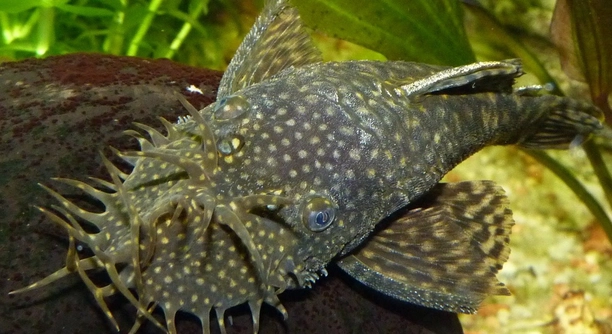
Plecos are popular aquarium fish known for their algae-eating habits. Sometimes, though, you may notice them repeatedly suctioning to the glass. This behavior can leave aquarium owners curious about the reasons behind it.
The main reason plecos suck on the glass is related to their feeding behavior. Plecos use their sucker mouths to attach to surfaces like glass to scrape algae or organic matter. This is part of their natural diet.
Understanding these behaviors will help you manage your aquarium better and ensure your pleco is healthy and content.
Plecos and Their Algae-Eating Habits
Plecos are known for their algae-eating abilities. In the wild, they graze on algae growing on rocks, plants, and other surfaces. This natural behavior is replicated in aquariums, where they are often seen suctioning to glass or decorations in search of food. When plecos attach to aquarium glass, they are typically looking for a meal, especially if algae or organic debris are present. Though this is a normal and healthy behavior, it can sometimes be misinterpreted by aquarium owners as a sign of distress.
The suctioning motion of plecos is a sign of their feeding habits rather than an indication of any health issues. If your aquarium is lacking algae or debris for them to feed on, they may turn to other surfaces, such as glass. This is a natural way of seeking out food.
Providing plenty of algae and organic matter for plecos will help reduce their tendency to suck on the glass. Additionally, introducing algae wafers or other suitable food sources can keep your pleco satisfied and prevent excessive glass-sucking.
Plecos and the Need for Space
Plecos also need space to move and explore. When their environment feels too small or cramped, they may attach to surfaces simply to have more room. This is common when they are placed in aquariums that are too small for their size. Plecos are active fish and require adequate space to swim and explore. A tank that is too small can result in stress, causing them to attach to the glass more often.
A larger aquarium with plenty of hiding places and room to move freely will help your pleco feel more comfortable. The added space encourages them to explore and graze naturally, instead of sucking on the glass. Proper tank size is essential for maintaining the well-being of plecos, as it gives them the freedom they need.
Lack of Algae in the Tank
If there isn’t enough algae in your aquarium, plecos will look for it elsewhere. Without natural food sources, they’ll end up attaching to the glass or other surfaces to search for something to nibble on.
To keep your pleco satisfied, you can add algae wafers or other foods that mimic algae. If your tank has a few plants or decorations that support algae growth, this will also help. Keep in mind that the more organic matter and algae in the tank, the less likely your pleco will be seen sucking on the glass.
If your aquarium has limited algae, it’s essential to provide alternative food sources. Plecos rely on scraping algae to stay healthy, and they won’t hesitate to find other surfaces to suck on. Adding algae wafers regularly can mimic the natural grazing behavior they would typically experience. Ensuring that there’s a consistent food supply will make your pleco less inclined to spend all its time on the glass, looking for nourishment.
Plecos and Water Quality
Water quality plays a significant role in the behavior of plecos. Poor water quality can stress them out, leading to unusual behaviors such as excessive suctioning on glass. Maintaining a clean and healthy environment helps keep your pleco calm.
Regular water changes, proper filtration, and maintaining the right water parameters—like temperature and pH—are key to a pleco’s well-being. When the water quality is optimal, plecos will spend more time grazing naturally rather than seeking out surfaces like glass. Clean water reduces stress, helping your pleco thrive.
A pleco stressed by poor water quality may also start to show signs of illness, like fading color or lethargy. Consistent water maintenance is essential to avoid these issues. It’s important to test your tank regularly for ammonia, nitrite, and nitrate levels to ensure they remain within safe ranges. When plecos are in a healthy environment, they’ll behave more naturally and stop relying on glass for feeding.
Plecos and Their Natural Instincts
Plecos have strong instincts to feed off surfaces. In the wild, they scrape algae from rocks and other underwater surfaces. This behavior doesn’t change in aquariums, where they look for similar surfaces to feed on.
These natural feeding instincts often lead plecos to suction onto glass. If they can’t find enough algae, they’ll target whatever they can. This behavior is normal and reflects their nature as bottom feeders. They do this to stay nourished and healthy.
Feeding Habits Impacting Glass Suctioning
Plecos are opportunistic feeders, meaning they’ll grab any chance to feed. If algae are in short supply, they’ll look for other sources of food. This might include the glass, decorations, or even leftover food at the tank’s bottom.
Adding supplemental food like algae wafers or sinking pellets can help satisfy their hunger. Feeding them regularly ensures they don’t rely solely on whatever algae or debris is present. This also prevents them from constantly suctioning onto the glass in search of food.
Tank Maintenance and Its Effect on Behavior
Keeping a clean tank is crucial for managing pleco behavior. If the tank is dirty or overcrowded, plecos may struggle to find food. When the tank is regularly cleaned, it reduces stress and helps them find food sources more easily.
Ensuring good filtration and appropriate water flow will also make the environment more suitable for your pleco. This allows them to feed naturally and comfortably without resorting to glass suctioning.
FAQ
Why is my pleco always sucking on the glass?
Plecos suck on the glass to feed on algae or organic matter. If there is not enough algae in the tank, they may look to other surfaces, including the glass, to find food. This behavior is natural, as plecos are bottom feeders that rely on scraping surfaces for nourishment.
How can I stop my pleco from sucking on the glass?
To stop your pleco from sucking on the glass, ensure there is enough algae or other food sources in the tank. You can add algae wafers or sinking pellets to supplement their diet. Additionally, make sure the tank is large enough and has proper filtration to reduce stress, which could also lead to this behavior.
Do plecos only suck on the glass for food?
While food is the primary reason plecos suck on the glass, other factors can contribute. Stress from poor water quality, overcrowding, or a cramped tank can make them more likely to attach to the glass. Ensuring a clean, well-maintained tank will help reduce this behavior.
How often should I feed my pleco to prevent glass-sucking?
Plecos should be fed every day or every other day, depending on their size and the amount of food in the tank. Regular feeding with algae wafers, vegetables, or sinking pellets will help prevent them from relying on glass suctioning for food. Monitoring their diet is key to their health and behavior.
Is it harmful if my pleco keeps sucking on the glass?
Sucking on the glass itself isn’t harmful, but if it’s a sign of poor water quality or an inadequate diet, it can lead to health issues. It’s important to maintain good water quality and provide a balanced diet to prevent long-term stress or malnutrition.
Should I worry if my pleco is sucking on decorations instead of the glass?
If your pleco is sucking on decorations, it’s a sign they are simply searching for food. This is not a cause for concern as long as the decorations are not harmful. If the pleco starts sucking on non-food surfaces regularly, it may be a sign that the tank needs more algae or food options.
Can I provide my pleco with more algae without adding live plants?
Yes, you can provide algae without adding live plants by using algae wafers, which are specially designed to mimic the nutrients plecos would find in nature. You can also introduce artificial algae surfaces or algae growth pads to encourage natural grazing behavior.
Do plecos need live plants to feed on?
Plecos don’t necessarily need live plants to feed on, but live plants can help create a more natural and healthy environment. Some plecos will graze on plants if they contain algae. However, if live plants are not available, providing algae wafers or vegetables like zucchini will ensure they get the nutrition they need.
How do I know if my pleco is stressed from sucking on the glass?
If your pleco is constantly attached to the glass, it may be stressed due to poor water conditions, overcrowding, or a lack of food. Signs of stress include changes in behavior, such as hiding more often or swimming aimlessly. Regular water testing and proper tank maintenance can help alleviate stress.
Can glass suctioning indicate illness in plecos?
Glass suctioning can sometimes indicate illness if it’s accompanied by other symptoms like lethargy, loss of appetite, or unusual swimming patterns. If your pleco is spending an excessive amount of time on the glass and showing other signs of illness, it’s important to check water quality and consult a vet if necessary.
What is the best type of food for plecos?
The best food for plecos includes algae wafers, sinking pellets, and blanched vegetables like zucchini or cucumber. These foods mimic their natural diet of algae and organic debris. Providing a variety of food sources will help keep your pleco healthy and prevent them from constantly sucking on the glass.
How can I make my pleco more comfortable in its tank?
To make your pleco more comfortable, ensure the tank is large enough for them to swim and explore. Provide plenty of hiding places, such as caves or rocks, to reduce stress. Regular water changes and proper filtration are also crucial to maintaining a healthy, stress-free environment.
Do plecos need a specific type of water?
Plecos generally prefer slightly acidic to neutral water, with a pH between 6.5 and 7.5. They also thrive in warm water, typically between 74-80°F (23-27°C). Keeping the water conditions stable and within this range helps plecos feel secure and encourages natural feeding behaviors.
Can plecos be kept with other fish in the same tank?
Yes, plecos can be kept with other fish, but it’s important to consider the size and temperament of the tank mates. Avoid keeping them with aggressive or territorial species, as plecos are peaceful bottom dwellers. It’s also important that the other fish aren’t competing for the same food sources.
How do I prevent my pleco from overfeeding on algae wafers?
To prevent overfeeding, monitor how much your pleco eats and remove any leftover food after a few hours. Overfeeding can lead to poor water quality and health issues for your pleco. Offering small amounts of food at a time ensures they eat what they need without excess waste.
Why does my pleco suck on the glass more when the tank light is on?
Plecos are nocturnal creatures, and they are often more active when the tank light is off. However, if they are sucking on the glass more when the light is on, it may indicate they are trying to feed or looking for food during their active hours. Consider feeding them during these times to reduce their need for glass suctioning.
Final Thoughts
Plecos are fascinating fish that display unique behaviors, like sucking on the glass in search of food. While it may seem unusual, this behavior is natural, as plecos are bottom feeders that rely on surfaces in their environment to graze on algae. In the wild, they would be scraping rocks and other underwater surfaces to gather food. When kept in an aquarium, if there isn’t enough algae or other sources of food, they will often turn to the glass to meet their nutritional needs. This is a natural instinct, but it’s also a sign that the environment might not be providing everything they need.
Maintaining a clean and balanced tank is essential to prevent your pleco from constantly suctioning on the glass. Regular water changes, proper filtration, and providing the right amount of food, such as algae wafers and vegetables, can make a big difference in reducing this behavior. Additionally, if your pleco seems to be suctioning excessively, it might be a sign that their environment is causing them stress, either from overcrowding or poor water quality. By ensuring they have plenty of food and a stress-free environment, you can help keep your pleco healthy and happy.
Ultimately, the key to managing a pleco’s behavior is understanding their needs and providing a proper habitat. This means feeding them regularly, ensuring the tank conditions are ideal, and offering a variety of food sources. While the glass-sucking may seem odd, it’s a simple indication that your pleco is simply following its natural instincts. By taking the right steps, you can ensure your pleco thrives in its aquarium and that both the fish and the tank are well cared for.

Hello,
If you enjoy the content that we create, please consider saying a "Thank You!" by leaving a tip.
Every little bit helps us continue crafting quality advice that supports the health, happiness, and well-being of pets around the world, for pets of all shapes, sizes, and species.
We really appreciate the kindness and support that you show us!