
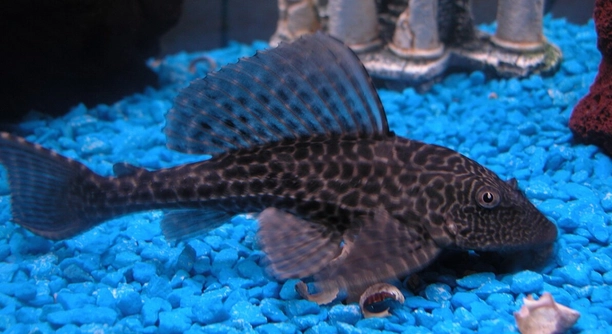
Do your plecos suddenly look different, with strange white spots showing up across their body and fins? It can be confusing and upsetting to notice these changes, especially if they seemed healthy just days ago.
White spots on plecos are most often caused by ich, a common parasitic disease. Poor water quality, sudden temperature shifts, and stress can also lead to similar symptoms. Identifying the exact cause is key to effective treatment.
Learning what triggers these spots and how to treat them will help you care for your pleco and keep them healthy.
1. Ich (White Spot Disease)
Ich is the most common reason plecos develop white spots. It’s caused by a parasite that attacks the skin and gills, creating small, grain-like dots that can spread fast. If your pleco is rubbing against objects, breathing rapidly, or acting stressed, ich is likely the reason. This condition often starts when a new fish is added to the tank without proper quarantine. Even a quick temperature drop can trigger it. Early treatment is important. Raising the water temperature slightly and using a suitable ich treatment from a pet store can help clear it up quickly. Always follow the directions on the product and monitor your fish closely. It’s best to treat the whole tank, as the parasite can survive outside of the fish for a short time. Good filtration, stable water temperature, and reducing stress are key to prevention and recovery.
Ich spreads quickly and should be treated as soon as you notice symptoms. Ignoring it can make things worse.
Plecos with ich can recover fully if treated early. Keep the water clean and monitor tank conditions carefully. After treatment, continue to observe your pleco for several days. Make sure all signs of ich are gone before stopping treatment completely.
2. Poor Water Quality
When water quality drops, plecos become more likely to develop health problems, including white spots. Ammonia spikes, high nitrite levels, or dirty water can weaken their immune system. Even a small imbalance can make a big difference in how they feel and look.
Poor water conditions cause stress, and stress weakens a pleco’s natural ability to fight off infections. If ammonia or nitrites are present, it can irritate their skin, making it easier for parasites or bacteria to take hold. Frequent water changes, proper filtration, and regular tank maintenance are essential. Use a test kit weekly to monitor levels of ammonia, nitrites, nitrates, and pH. If levels are off, take immediate action by doing partial water changes and cleaning your filters. Avoid overfeeding, as leftover food can decay and add to the waste problem. Plecos need clean water to thrive, and consistent upkeep will go a long way in preventing future white spots.
3. Stress from Tank Mates
Aggressive or overly active tank mates can stress out plecos, making them more likely to develop white spots. Constant chasing or competition for food causes anxiety, which weakens their immune system and leaves them open to infections.
When plecos don’t feel safe, they tend to hide more and eat less. This affects their health and increases the chance of illness. Stress also triggers physical symptoms, including faded color, white spots, or rapid breathing. If you notice your pleco being bullied, consider separating the aggressive fish or rearranging the tank to create more hiding spots. Driftwood, caves, and plants help plecos feel secure. Choose peaceful tank mates that match your pleco’s size and temperament. Watch closely after adding any new fish. Early signs of stress should be addressed quickly to prevent health issues.
Stress builds over time, and the longer it continues, the worse the effects. Reducing conflict in the tank can prevent these problems. Always observe your fish during feeding and throughout the day. Make sure your pleco has quiet spaces to rest and enough food during feeding time. If needed, use dividers or set up a second tank to separate aggressive fish and allow your pleco time to recover fully.
4. Sudden Temperature Changes
Plecos are sensitive to sudden shifts in water temperature, especially when the change is more than a few degrees. Rapid drops or increases can shock their system and lead to white spots or other signs of illness.
A stable tank temperature is important for keeping your pleco healthy. If the room where the tank sits changes temperature often, consider using a heater with a built-in thermostat. This helps maintain steady warmth and reduces stress. Avoid placing the tank near windows, vents, or exterior walls. When doing water changes, match the temperature of the new water as closely as possible to the tank’s current temperature. Use a thermometer to double-check. Fluctuations, even during the day and night, can have long-term effects on plecos. Symptoms like sluggishness, hiding, or sudden appearance of white spots can all be linked to unstable temperatures. Keep the tank consistent to prevent health problems.
5. Fungal or Bacterial Infections
Sometimes white spots are caused by fungal or bacterial infections, not parasites. These spots often look fuzzy or irregular in shape. Poor tank hygiene, injury, or a weakened immune system can lead to these infections.
Treatments depend on the cause. Antifungal or antibacterial medications may be needed. Always follow instructions carefully.
6. Lack of Quarantine for New Fish
Introducing new fish without quarantine can spread parasites or bacteria to your pleco. Even healthy-looking fish may carry something harmful. A separate tank for new arrivals helps prevent contamination. Quarantine should last at least two weeks to be safe.
7. Natural Coloration or Injury
Not all white spots mean sickness. Sometimes plecos develop light patches naturally or after minor injuries. These usually fade with time. Watch for changes in behavior. If your pleco is still active and eating well, it may not be anything serious.
FAQ
What are the first signs of ich in plecos?
The first signs of ich in plecos are usually small white spots that resemble grains of salt on their skin and fins. You may also notice your pleco rubbing against objects in the tank or acting unusually lethargic. If left untreated, these white spots can spread quickly, and the pleco may show signs of rapid breathing, loss of appetite, and overall poor behavior. If you see any of these signs, it’s important to begin treatment immediately.
How do I treat ich in my pleco?
To treat ich, raise the water temperature to around 78–80°F (25–27°C). This speeds up the life cycle of the parasite, making it easier to eliminate. You should also use an over-the-counter ich treatment, which can be found at most pet stores. Follow the instructions on the product carefully and make sure to treat the entire tank, not just the infected fish. Additionally, you may want to perform water changes and ensure the tank is properly filtered during the treatment period.
Can stress cause white spots on plecos?
Yes, stress can contribute to the appearance of white spots on your pleco. When plecos are stressed, whether from aggressive tank mates, poor water quality, or environmental changes, their immune system weakens, making them more susceptible to parasites or infections. Even without a direct infection, stressed plecos may develop white patches or spots due to a weakened immune response. Addressing the cause of the stress can help the pleco recover.
How can I reduce stress for my pleco?
To reduce stress, ensure that your pleco has a peaceful tank environment. Avoid aggressive or overly active tank mates that may chase or crowd the pleco. Adding hiding spots, such as caves or driftwood, can help create safe spaces where your pleco can rest. Also, maintain stable water parameters and avoid sudden changes in temperature or water quality. Reducing overfeeding and keeping the tank clean will also lower stress levels.
Can poor water quality cause white spots on my pleco?
Yes, poor water quality can lead to white spots on your pleco. When ammonia or nitrites build up in the tank, they can irritate the pleco’s skin and gills, leading to stress and an increased chance of infection. Regular water changes, proper filtration, and testing the water frequently can help maintain good water quality, which in turn reduces the risk of skin issues, including white spots.
How often should I clean my pleco’s tank?
To keep your pleco healthy, you should clean the tank regularly. Perform partial water changes (about 25% of the water) every week to maintain water quality. It’s also important to clean the filter regularly, but be careful not to remove all beneficial bacteria. Scrub algae off the surfaces and check for any debris that might build up on the substrate. Keeping the tank clean reduces the chances of stress and illness in your pleco.
Is it normal for my pleco to have white spots after a water change?
If your pleco develops white spots right after a water change, it could be a sign of a water quality issue, such as sudden temperature changes or imbalances in the chemical composition. Before performing any water change, always make sure the new water matches the temperature and pH of the tank. If your pleco is showing signs of stress, you should test the water parameters immediately and adjust accordingly.
Can plecos recover from white spots?
Yes, plecos can recover from white spots, especially if treated early. The recovery process depends on the cause of the white spots. If it’s ich or another parasitic infection, proper treatment with medication and a stable tank environment should lead to recovery. It’s essential to maintain a clean, stress-free tank while treating your pleco. Monitoring your pleco for changes in behavior, such as eating and swimming patterns, will help you gauge its recovery.
What do I do if my pleco is not eating due to white spots?
If your pleco is not eating and you notice white spots, it’s a sign that it is likely stressed or ill. The first step is to check the water quality, as poor water conditions can cause a loss of appetite. Next, treat any potential illness, like ich, with appropriate medications. Offering different food options might help encourage your pleco to eat. Sometimes, moving the pleco to a quarantine tank where the environment is less stressful can also promote eating and recovery.
Should I isolate my pleco if it has white spots?
If you suspect your pleco has an infection like ich or a fungal/bacterial issue, isolating it in a quarantine tank can be beneficial. This prevents the spread of the infection to other fish and allows you to treat the affected pleco directly. However, if the white spots are not caused by a contagious issue, isolating it may not be necessary. Always monitor the pleco closely and consult with a vet or specialist if you’re unsure.
Can white spots be a sign of a serious condition?
White spots on plecos can sometimes be a sign of a serious condition, especially if they are caused by parasites or bacterial infections. If left untreated, these conditions can worsen and even be fatal. It’s important to act quickly when you notice white spots, as early treatment can prevent long-term damage. Regularly monitoring the health of your pleco and maintaining good tank conditions will reduce the likelihood of serious health issues.
Final Thoughts
White spots on plecos are a common issue, and they can stem from various causes like parasites, poor water quality, stress, or even fungal infections. It’s important to stay observant and act quickly when you notice any changes in your pleco’s appearance or behavior. While it can be worrying to see your fish affected, most cases of white spots are treatable with the right approach. Early intervention often leads to a full recovery, so addressing the problem as soon as you spot it is key.
Maintaining a stable and clean tank environment is one of the best ways to prevent issues like white spots. Regular water changes, keeping an eye on water parameters, and ensuring your pleco has a peaceful tank can make a big difference in their overall health. Stress plays a significant role in many fish health problems, so providing hiding spots and reducing aggression from tank mates can greatly reduce the chances of your pleco developing health problems. A consistent routine for tank maintenance helps keep your pleco’s environment healthy and reduces the risk of infections.
In conclusion, if you notice white spots on your pleco, don’t panic. Take action by identifying the cause, whether it’s ich, stress, or poor water quality. Treating the issue early on, adjusting the tank environment, and keeping the water clean are the best steps you can take to help your pleco recover. With the right care, your pleco will be back to its healthy self in no time.

Hello,
If you enjoy the content that we create, please consider saying a "Thank You!" by leaving a tip.
Every little bit helps us continue crafting quality advice that supports the health, happiness, and well-being of pets around the world, for pets of all shapes, sizes, and species.
We really appreciate the kindness and support that you show us!