
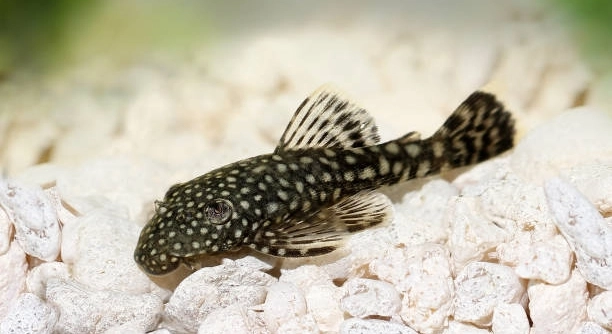
Have you ever brought home a new pleco only to realize your betta isn’t exactly thrilled with the new tankmate?
Plecos and bettas often do not get along due to differences in temperament, territorial behavior, and competition for space or hiding spots. Bettas can become aggressive, especially in smaller tanks, while plecos may stress them out.
Understanding the reasons behind their conflict can help you make better choices for your aquarium and keep both fish healthier and less stressed.
1. Bettas Are Naturally Territorial
Bettas are known for being territorial fish. They often view other fish, especially those invading their space, as threats. A pleco, while generally peaceful, may unknowingly swim too close or try to occupy the betta’s chosen areas. This can lead to flaring, chasing, and even nipping. Even if the tank is large, a betta can claim certain spots as its own and become aggressive when those areas are entered. This behavior is common in males but can also appear in females. The constant stress from defending territory can affect both the betta and the pleco’s well-being.
Betta aggression is often triggered by anything they see as a rival or intruder, including bottom-dwellers like plecos.
To avoid these issues, consider tank size and design carefully. Adding more hiding places and live plants can help reduce territorial fights. However, even with adjustments, the betta may still not tolerate another fish in its space.
2. Plecos Can Be Active at Night
Plecos are nocturnal and usually do most of their exploring when the lights go off. This nighttime activity can disturb a sleeping betta, who may feel threatened or stressed by unexpected movement in the dark.
While bettas rest at night, plecos roam the tank, looking for food and places to settle. Their movement, especially in smaller aquariums, can bump into or startle a resting betta. Over time, this can lead to increased stress, weakened immune systems, and changes in behavior. A stressed betta may become more aggressive during the day or begin hiding more often. Some plecos also grow quite large and need more space than many realize. If kept in a tank that’s too small, they’re more likely to cross paths with the betta, increasing the chances of conflict. When setting up a tank with both species, it’s important to consider their routines and space needs to help avoid constant tension.
3. Plecos Can Be Territorial Too
Although plecos are often labeled as peaceful, they can also show territorial behavior, especially as they grow. Some plecos will guard specific spots, like caves or driftwood, and chase away any fish that come too close.
In tanks with limited hiding areas, plecos may become more defensive of their chosen space. Bettas that unknowingly swim near these spots might trigger an aggressive response from the pleco. This back-and-forth behavior can lead to ongoing tension in the tank. While not as flashy or openly aggressive as bettas, plecos can still cause problems when their space feels threatened. Each species wants its own space, and when those boundaries aren’t respected—intentionally or not—the result can be constant chasing or fin-nipping. A stressed pleco may also stop eating or hide more, which isn’t good for its health.
Larger pleco species are more likely to defend space, especially if the tank is too small. Even peaceful types like bristlenose plecos might act out when overcrowded. This behavior often surprises fishkeepers expecting an easy-going tankmate. Without enough room to separate, the two fish can quickly become stressed and irritated with each other. Ensuring enough space and dividing up territories with plants and decorations can help ease the tension, but it won’t guarantee peace.
4. Competing for the Same Food
Bettas and plecos can both be drawn to the same types of food, especially sinking pellets or algae wafers. This overlap can cause tension, especially during feeding time. Bettas may guard food or try to nip the pleco away.
While plecos mainly feed on algae and leftover bits, they still go after protein-rich food that sinks to the bottom. Bettas, curious and protective, often follow the food down and try to grab it too. This leads to chasing and nipping around feeding areas. If the betta sees the pleco as a food-stealer, it can create daily conflict during meals. Plecos, especially young or small ones, may not get enough food if they are constantly being pushed away. Over time, this can lead to poor health and slower growth. It can also make feeding time stressful for both fish, instead of being a calm part of their routine.
5. Bettas May Nip at Pleco Fins
Bettas are known for nipping, especially when they feel crowded or annoyed. A pleco’s slow movements and long fins can catch a betta’s attention, leading to chasing or sudden bites out of frustration or boredom.
This behavior often increases in smaller tanks with fewer hiding spots. A pleco trying to rest or feed might be interrupted constantly, which can cause stress and even injury over time.
6. Size Differences Cause Problems
Plecos can grow quite large, depending on the species. Many outgrow the average home tank quickly. A large pleco sharing space with a small betta creates an awkward pairing. The pleco may bump into the betta by accident or stir up debris while moving, making the betta uncomfortable. On the other hand, a tiny pleco might be more vulnerable to harassment from the betta, especially if there’s nowhere to hide. The size mismatch can affect their sense of safety, leading to hiding, fighting, or even refusal to eat. This uneven balance adds tension to the tank and makes it harder for both fish to live peacefully.
7. Poor Tank Setup Increases Stress
Lack of plants, hiding spots, or enough space causes tension between tank mates. A poorly set up tank leaves both fish feeling exposed and irritable, which can easily lead to fighting or constant stress.
FAQ
Can bettas and plecos live together in the same tank?
They can, but it’s not always a good match. Bettas are territorial and don’t like their space invaded, while plecos move around a lot—especially at night. In tanks that are too small or lack proper hiding places, stress and aggression are very likely. Even peaceful pleco types might accidentally bother a betta while feeding or exploring. If you really want to try keeping them together, you need a tank that’s at least 20 gallons, has lots of plants, and enough spots for both fish to hide and rest separately.
What types of plecos are better suited for a tank with a betta?
Smaller species like bristlenose plecos or clown plecos are often recommended if you’re going to attempt this pairing. These types usually stay under 6 inches and are less active than larger plecos. However, even with these types, things can still go wrong. Personality matters. Some bettas are very aggressive no matter what fish they’re paired with. Before introducing any pleco, make sure your tank is well-planted and has enough room for both species to stay out of each other’s way.
How can I tell if my betta is stressed by the pleco?
Watch for changes in behavior. If your betta starts flaring constantly, hiding more often, refusing food, or nipping at the pleco, those are signs of stress. Faded color or clamped fins are also warning signals. Stress can make a betta sick over time, so it’s important to take these signs seriously. On the other side, a stressed pleco might stop eating, hide all day, or swim erratically. If either fish seems uncomfortable, it’s best to separate them.
Do plecos ever attack bettas?
It’s uncommon, but possible. Most plecos are peaceful and don’t go after other fish on purpose. However, larger or older plecos might become territorial and chase away tankmates. In tight spaces, a pleco might even try to suck on a betta’s slime coat—this is very harmful and stressful. While rare, this behavior does happen more often when the pleco is underfed or uncomfortable. Choosing a smaller pleco species and keeping it well-fed reduces the risk.
What size tank is best for keeping a pleco and betta together?
A 10-gallon tank is usually too small. A 20-gallon tank is the minimum, but even that might be tight if the pleco grows larger. A 29-gallon or bigger tank gives both fish more room to establish their own space. The bigger the tank, the lower the chances of them bothering each other. Make sure the tank has lots of plants, driftwood, and caves so each fish can have their own areas to rest and hide.
What kind of food should I give if I keep both fish together?
You’ll need to provide a mix of foods. Bettas need high-protein meals like pellets, bloodworms, or brine shrimp. Plecos eat algae, sinking wafers, and sometimes fresh vegetables like cucumber or zucchini. It’s important to feed after lights-out sometimes so the pleco gets a chance to eat without the betta interfering. Keeping both fish well-fed helps reduce tension.
Should I separate them if they keep fighting?
Yes. If you notice constant fighting, nipping, or signs of stress, it’s best to move one fish to another tank. Stress can lead to illness or injury, and it’s not worth the risk. Some bettas simply don’t tolerate any tankmates. Having a backup plan ready—like a separate tank or divider—can make things easier if things don’t work out.
Final Thoughts
Keeping bettas and plecos in the same tank can work in some cases, but it comes with risks. These two fish have very different behaviors, needs, and ways of living. Bettas like calm water, personal space, and don’t enjoy sharing their territory. Plecos are more active at night, need hiding spots, and may bump into or disturb bettas without meaning to. When put together in the wrong setup, they can stress each other out or even fight. Stress affects their health, their ability to eat properly, and how they behave in general. That’s why careful planning is so important when thinking about this pairing.
Tank size plays a big role in whether they will get along. A small tank with little room or hiding spaces almost always leads to problems. But in a large, well-decorated tank, where each fish has space to stay out of the other’s way, it might be possible for them to live together peacefully. Adding live plants, caves, and driftwood can help create separate zones. Feeding time is also important to manage. Dropping food for the pleco at night and feeding the betta during the day can keep both fish full and calm. Watching their behavior closely helps you notice early signs of stress, so you can step in before things get worse.
Even with all the right steps, some bettas simply won’t tolerate sharing a tank. Each fish has its own personality. Some are calm, while others are aggressive, no matter what you do. If the betta flares often, chases the pleco, or refuses to eat, that’s a sign the pairing isn’t working. The same goes for plecos that stop eating or try to latch onto the betta. In those cases, it’s better to keep them in separate tanks. It’s not a failure—it just means your fish have different needs. In the end, the goal is to create a peaceful and healthy home for both fish. Taking the time to understand their behavior and set up the right environment can make a big difference. Whether together or apart, each fish can still live a happy life with the right care.

Hello,
If you enjoy the content that we create, please consider saying a "Thank You!" by leaving a tip.
Every little bit helps us continue crafting quality advice that supports the health, happiness, and well-being of pets around the world, for pets of all shapes, sizes, and species.
We really appreciate the kindness and support that you show us!