
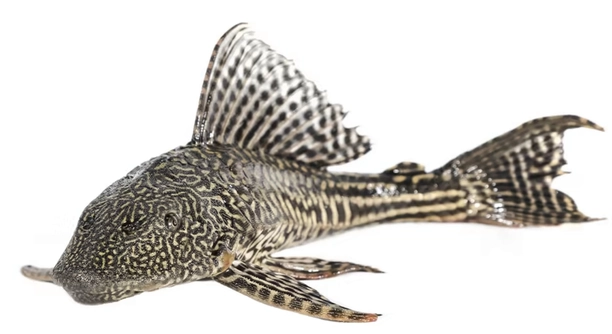
If you’re new to fishkeeping, finding the right species for your aquarium can be overwhelming. One fish that stands out as a great option for beginners is the pleco, a hardy and easy-to-care-for fish.
Plecos are ideal for beginner aquarium owners due to their hardiness, ease of care, and low maintenance needs. Their ability to thrive in a variety of conditions and their peaceful nature make them suitable for both small and large tanks.
Plecos are a wonderful choice for beginners who want a low-maintenance pet fish. In this article, we’ll explore the seven key reasons why they make such a great addition to any tank.
1. Easy to Care For
Plecos are one of the easiest fish to care for, making them a great choice for beginners. They don’t require frequent attention or complex care routines. They are hardy creatures, able to adapt to a wide range of water conditions, which means less stress for you. Their diet mainly consists of algae, so they help keep your tank clean while being easy to feed. Also, plecos are not picky about their tank mates, meaning they get along well with many other fish species.
Their adaptability extends to a variety of tank setups, from freshwater to slightly brackish water environments. With a proper filter and occasional water changes, plecos will thrive without constant care. This makes them an excellent fish for those new to the hobby, allowing for more time to focus on other aspects of your aquarium.
Their calm demeanor and resilience make plecos ideal for people who might not have a lot of experience or time to dedicate to maintaining an aquarium. They offer a hassle-free way to introduce yourself to fishkeeping without worrying about complex needs or constant monitoring.
2. They Help Keep Your Tank Clean
Plecos are natural cleaners in an aquarium. They help maintain the cleanliness of your tank by eating algae and leftover food.
Not only do they contribute to keeping algae under control, but they also help reduce the buildup of organic matter on the substrate. Plecos are known to scrape the walls and decorations in the tank, keeping everything looking neat. As bottom dwellers, they spend much of their time foraging, which prevents the accumulation of waste.
This cleaning habit makes them invaluable, especially in smaller tanks where algae growth can get out of hand quickly. Plecos consume various algae types, including green and brown algae, reducing the need for manual cleaning. Having a pleco in your tank can significantly cut down on maintenance time, giving you more time to enjoy your aquarium without worrying about constant cleaning. Their ability to manage waste and clean your tank helps maintain a healthy environment for all your fish.
3. Low Maintenance Diet
Plecos are easy to feed, making them low-maintenance when it comes to diet. They mostly eat algae but can also enjoy other foods like vegetables and sinking pellets.
They are herbivores, so their diet mainly consists of plant matter. Algae wafers are an easy and reliable food option for them. You can also provide vegetables such as zucchini, cucumber, or spinach. Plecos are not picky eaters, so it’s easy to ensure they get the nutrients they need without needing to constantly vary their food. They are happy to graze on whatever is available, making feeding simple.
Feeding them once or twice a day is usually sufficient, and leftovers can be left for them to clean up. This means you don’t need to spend much time preparing their meals. Their diet is straightforward, and you don’t have to worry about complicated or expensive foods.
4. Peaceful Tank Mates
Plecos are peaceful and non-aggressive fish, making them great companions in a community tank. They typically keep to themselves and are not known to pick on other fish.
Since plecos are bottom dwellers, they stay away from the main action in the upper and midwater regions. This makes them ideal for tanks with other peaceful species, as they won’t cause disturbances or aggression. Their calm nature makes them easy to pair with various types of fish. Whether you have tetras, guppies, or even larger species, plecos tend to get along well.
Their mild temperament also makes them less stressful to manage. They won’t fight over food or space, making them a perfect choice for beginners who want a peaceful aquarium. Plus, since plecos don’t have a territorial nature, they are unlikely to cause trouble even when other fish swim near them.
5. Tolerant of a Range of Water Conditions
Plecos are known for their ability to thrive in a wide range of water conditions. This makes them an excellent choice for beginners who may not have perfect water quality right away.
Whether your water is slightly acidic or alkaline, plecos will adapt. They can tolerate a variety of temperatures, as long as they remain within a reasonable range. This makes it easier for newcomers who may still be learning about the importance of water chemistry in their aquarium. Even with occasional fluctuations, plecos are more forgiving than many other fish species.
Since they are more adaptable, you don’t need to worry as much about testing and adjusting your water frequently. As long as you keep the water within acceptable ranges, plecos will thrive.
6. Grow to Manageable Sizes
Plecos are not only easy to care for but also grow to a manageable size for most home aquariums.
While some species can grow quite large, many common plecos remain small enough for typical tanks. Most beginner plecos, such as the bristlenose pleco, max out at around 4 to 6 inches. This allows them to fit comfortably in smaller tanks while still performing their cleaning duties. Knowing that they won’t outgrow your tank is an added bonus for beginners.
7. Long Lifespan
Plecos have a long lifespan, which can be a great advantage for someone looking for a long-term aquarium companion.
With proper care, plecos can live for 10 to 15 years, sometimes even longer. Their long lifespan makes them more rewarding to own, as you’ll have a reliable aquarium helper for many years. Their durability and endurance also mean that they are less likely to face health problems compared to other, more delicate fish species. A long-lived pleco can easily become a beloved member of your aquarium for years to come.
FAQ
How big do plecos get?
The size of a pleco depends on the species. Common plecos can grow up to 18 inches, but most beginners opt for smaller species, like the bristlenose pleco, which only grows to about 4 to 6 inches. It’s important to choose the right species based on the size of your tank and the other fish in your aquarium. In smaller tanks, keeping a pleco under 6 inches is ideal to avoid overcrowding.
Do plecos need a filter?
Yes, plecos require a filter in their tank. They produce waste as they feed and grow, and a filter helps maintain water quality by removing debris and toxins. While plecos help keep algae under control, they still need a clean environment to thrive. A filter not only helps with cleanliness but also ensures proper water circulation, which is essential for plecos’ health.
Can plecos live in a tank without plants?
Plecos can live in tanks without plants, but plants offer extra benefits. While plecos don’t rely on plants for food, plants provide hiding spots and extra places to graze. They also help maintain water quality by absorbing nutrients and reducing algae buildup. Having some plants in the tank can make it more enjoyable for both the pleco and you.
What do plecos eat besides algae?
Besides algae, plecos will eat vegetables like zucchini, cucumber, and spinach. You can also feed them sinking pellets designed for herbivores. Plecos are opportunistic feeders and will nibble on any organic matter in the tank, including leftover food from other fish. Some will even graze on wood, which helps them digest their food. Feeding a variety of plant-based foods is important to keep them healthy.
How do I know if my pleco is healthy?
A healthy pleco will have smooth, vibrant skin and a good appetite. If your pleco isn’t eating, appears lethargic, or shows signs of damaged fins or abnormal growth, these could be signs of illness. Also, make sure the pleco’s behavior is normal—healthy plecos are active and spend time exploring their tank, especially at night. Regular water changes and a proper diet are key factors in maintaining their health.
Do plecos need a heater?
Plecos are tropical fish, so they typically prefer water temperatures between 72°F and 82°F. Depending on where you live and the natural temperature of your aquarium, a heater may be necessary to keep the tank warm. If your home is colder, a reliable heater will ensure that your pleco stays in a comfortable environment. This will help prevent stress and health issues that may arise from cold water.
How often should I feed my pleco?
Plecos should be fed once or twice a day. They don’t need large meals, as they are primarily algae eaters. You can provide sinking pellets or wafers, along with fresh vegetables a couple of times a week. It’s important not to overfeed them, as excess food can pollute the water and lead to health problems. Monitor how much they eat and remove any uneaten food after a few hours.
Can plecos live with other fish?
Yes, plecos are generally peaceful and can live with many other fish. They tend to stick to the bottom of the tank, so they don’t compete for space with mid or top dwellers. Plecos are best with other non-aggressive species. Avoid pairing them with fin-nipping fish or aggressive species that might disturb their calm nature.
Are plecos good for small tanks?
Plecos can be suitable for small tanks if you choose a species that doesn’t grow too large. The bristlenose pleco is a popular choice for smaller aquariums, as it only grows to about 4-6 inches. However, if you have a tank smaller than 20 gallons, you should avoid larger plecos, as they need more space to move around comfortably.
Do plecos need a lot of swimming space?
Plecos are bottom-dwelling fish and don’t need a lot of swimming space compared to other species. They will spend most of their time foraging along the tank floor, scraping algae off surfaces. However, it’s still important to provide them with enough space to move around. A tank size of at least 20 gallons is recommended for a single pleco.
How do I care for a pleco’s tank?
To care for a pleco’s tank, you need to maintain good water quality and regular cleaning. A good filtration system is essential to keep the water clean. Regular water changes, about 25-30% every 1-2 weeks, will help remove waste and maintain proper water chemistry. It’s also important to clean the substrate to prevent buildup and provide hiding spots or decorations where the pleco can feel secure.
Can plecos live in a tank with a strong current?
Plecos generally prefer calm water but can tolerate a mild current. Some species, like the common pleco, do better in slower-moving water, while others, like the bristlenose pleco, are more adaptable. If you have a strong current, you may want to provide areas of the tank with calm water where your pleco can rest. You can also adjust the flow rate of the filter to ensure the pleco is comfortable.
Do plecos need light?
Plecos don’t require constant lighting, but they do benefit from a natural day-night cycle. They are nocturnal creatures, so they tend to be more active during the night. However, having a light cycle that mimics the natural light environment is still important for their health. Too much light can encourage algae growth, which plecos will feed on. A good balance of light and darkness will keep your pleco happy.
Final Thoughts
Plecos are an excellent choice for beginners looking to add a low-maintenance fish to their aquarium. Their easy care and adaptability make them suitable for a wide range of tank setups. Whether you have a small or large tank, plecos can thrive in various environments, making them a versatile addition. They are known for their peaceful nature, and with a simple diet that consists mostly of algae and vegetables, they are easy to feed. This makes them perfect for those just starting out in the world of fishkeeping, as they don’t require extensive knowledge or time-consuming care.
One of the most attractive qualities of plecos is their ability to help maintain a clean tank. As algae eaters, they naturally reduce algae buildup on surfaces, which can be a common issue in aquariums. Their tendency to eat leftover food also prevents waste from accumulating at the bottom of the tank. This natural cleaning habit means you won’t need to spend as much time scraping algae off the glass or vacuuming debris from the substrate. With a pleco in your tank, you can enjoy the benefits of a cleaner, healthier aquarium environment with less effort.
However, it’s important to remember that plecos do require some level of care. While they are easy to maintain, they still need proper water conditions, regular feeding, and enough space to grow. Depending on the species, they may need a tank size of at least 20 gallons, with larger species needing even more space. It’s also essential to monitor their health and ensure the water stays clean and stable. As long as you meet these basic needs, a pleco can be a wonderful, low-maintenance companion for many years to come.

Hello,
If you enjoy the content that we create, please consider saying a "Thank You!" by leaving a tip.
Every little bit helps us continue crafting quality advice that supports the health, happiness, and well-being of pets around the world, for pets of all shapes, sizes, and species.
We really appreciate the kindness and support that you show us!