
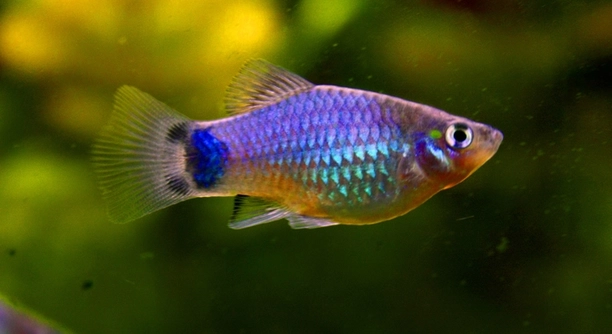
Platies are popular freshwater fish known for their vibrant colors and peaceful nature. Sometimes, they suddenly start hiding more than usual, which can be surprising for fish owners. Understanding this behavior helps maintain a healthy aquarium environment.
Platies may increase hiding due to stress, illness, changes in water quality, or environmental disturbances. Sudden shifts in tank conditions, presence of aggressive tank mates, or insufficient hiding spaces often contribute to this behavior as a survival response.
Recognizing these reasons will help improve your platies’ comfort and overall well-being in their aquatic home.
Stress and Its Impact on Platies
Stress is one of the main reasons platies start hiding more. Changes in the tank environment, such as sudden noises, rapid movements, or overcrowding, can cause stress. When stressed, platies try to find shelter to feel safe. Poor water quality also adds to their discomfort. High ammonia, nitrite, or nitrate levels make the water toxic, pushing them to hide. Even changes in lighting or temperature can unsettle platies. Stress lowers their immune system, making them prone to diseases. It is important to keep the tank stable and calm to prevent this behavior. Adding plants and decorations provides natural hiding spots. Regular water tests and maintenance help maintain a safe environment. Watching your platies’ behavior closely allows you to spot signs of stress early and act before it worsens.
Platies often hide when stressed because it helps them avoid threats. Providing a stable tank reduces this behavior.
Knowing how stress affects platies is essential. Stress can lead to illness or loss of appetite, impacting their health. Simple steps like avoiding sudden changes and ensuring clean water improve their comfort. Watching for stress signs allows timely action, keeping your fish lively and active.
Illness and Hiding Behavior
Illness can cause platies to hide more often. Sick fish seek shelter as a way to conserve energy and avoid predators. Signs of illness include sluggishness, loss of appetite, or visible spots and discoloration. It is important to observe your platies regularly. If you notice these symptoms along with increased hiding, consider testing water quality and possibly isolating the sick fish. Treating the illness early improves chances of recovery. Providing a clean and stress-free environment supports healing. Sometimes, illness results from poor diet or contaminated water. A balanced diet rich in nutrients helps strengthen their immune system. Quarantine new fish before adding them to the tank to avoid spreading disease. Remember, prevention is always better than cure in maintaining a healthy aquarium.
Environmental Changes
Platies react quickly to changes in their environment. Sudden alterations can make them feel unsafe, leading to more hiding.
Shifts like moving the tank, changing the water, or adjusting the lighting can unsettle platies. Even small changes in water temperature or pH levels affect their comfort. They rely on a stable habitat to feel secure. When these factors fluctuate, hiding becomes a natural response. Keeping the tank environment consistent helps reduce this stress. It’s helpful to make gradual changes when necessary, allowing the fish to adjust slowly. Monitoring water conditions regularly prevents unexpected shifts that may cause discomfort.
Adding plenty of plants and decorations gives platies more places to retreat when they feel insecure. This setup helps them cope with unavoidable environmental changes and stay calmer.
Presence of Aggressive Tank Mates
Aggressive tank mates often cause platies to hide more. These fish can bully or chase smaller, peaceful platies, making them feel threatened.
If your tank contains larger or more territorial fish, platies may seek refuge to avoid conflict. It is important to choose compatible species to keep the tank peaceful. Watch for signs like nipped fins or constant chasing. Providing enough hiding spaces reduces stress caused by aggressive neighbors. Sometimes separating aggressive fish or creating divided sections in the tank is necessary. A calm community tank helps platies thrive, reducing hiding and encouraging natural behavior. Choosing tank mates with similar temperaments supports a balanced environment. Ensuring harmony in the tank benefits all fish and helps platies feel safe.
Lack of Hiding Places
Platies need places to feel secure. A bare tank with few plants or decorations can make them more likely to hide.
Providing natural shelters helps reduce their anxiety. Plants, rocks, and caves offer safe spots where platies can retreat when feeling uneasy.
Water Quality Issues
Poor water quality directly affects platies’ health and behavior. High levels of toxins like ammonia or nitrites cause discomfort and stress, prompting them to hide more often. Regular testing and water changes are essential to maintain safe conditions. Even slight imbalances in pH or temperature can impact their well-being. Consistent water care helps keep platies active and visible.
Sudden Loud Noises
Loud noises can startle platies, causing them to retreat and hide. These fish are sensitive to their surroundings and prefer calm environments.
FAQ
Why do my platies hide suddenly after adding new fish?
Adding new fish to the tank can disturb the established environment. Platies may feel threatened by unfamiliar tank mates or changes in territory. The newcomers might act aggressively or compete for food, causing stress. It takes time for platies to adjust to new companions. Make sure to quarantine new fish before adding them and observe interactions carefully. Providing enough hiding spots helps reduce tension. Patience is key, as platies usually settle down once the tank balance is restored.
Can water temperature changes make platies hide more?
Yes, platies prefer stable temperatures between 72°F and 78°F. Sudden temperature drops or spikes cause discomfort and stress, which makes them hide more often. Fish are sensitive to their environment and depend on consistent water conditions. Use a reliable heater and thermometer to keep temperature steady. Gradual adjustments are better when changes are needed. Monitoring temperature regularly prevents stress and keeps your platies active and visible.
Is platy hiding a sign of illness?
Hiding alone isn’t always a sign of illness, but combined with other symptoms, it can be. If your platy is hiding and also appears lethargic, loses appetite, or shows spots or discoloration, it may be sick. Illness weakens their energy and makes hiding a way to conserve strength. Test water quality and consider isolating the fish to prevent spreading disease. Early treatment improves recovery chances. Keeping a clean tank and balanced diet supports their health.
How much hiding space do platies need?
Platies need plenty of hiding places to feel safe. The tank should have a mix of plants, rocks, and decorations that create natural shelters. Dense vegetation or caves help reduce stress and provide comfort. A general rule is to fill at least 30-50% of the tank with hiding spots. This supports their natural behavior and reduces excessive hiding due to fear. Make sure spaces are easy to enter and exit, allowing platies to come out when they feel safe.
Will platies stop hiding if I remove aggressive tank mates?
Removing aggressive fish often reduces hiding behavior. When platies feel less threatened, they come out more to swim and explore. Aggressive tank mates cause constant stress, pushing platies to retreat frequently. If removal isn’t possible, try dividing the tank or adding more hiding spots. A peaceful tank environment encourages platies to behave naturally and stay visible.
Can poor diet cause platies to hide more?
Yes, an unbalanced diet weakens platies’ health, making them less active and more likely to hide. Proper nutrition strengthens their immune system and energy levels. Feeding a varied diet with quality flakes, pellets, and occasional live or frozen foods supports their well-being. Avoid overfeeding, which harms water quality and health. Healthy fish show more active and confident behavior in the tank.
How long do platies typically hide before returning to normal?
The time varies depending on the cause. If hiding is due to a new environment or minor stress, platies may return to normal behavior within a few days. Illness or poor conditions can prolong hiding for weeks. Addressing water quality, tank mates, and diet speeds recovery. Observing their behavior daily helps detect improvements or problems early.
Do platies hide more at night?
Platies are diurnal, meaning they are more active during the day and rest at night. It is normal for them to hide or stay still in the dark. Providing dim lighting or gentle night lights can help mimic natural conditions. If hiding occurs excessively during the day, it indicates other issues like stress or poor tank conditions.
Is it normal for platies to hide during breeding?
Yes, during breeding, platies may hide more to protect themselves or their fry. Females especially seek shelter after giving birth. Providing dense plants and safe hiding spaces supports this behavior. Avoid disturbing the tank during this period to reduce stress. After breeding, platies usually return to their normal activity levels.
What can I do to encourage my platies to come out of hiding?
Improving tank conditions is key. Maintain clean water with regular changes, stable temperature, and balanced pH. Remove aggressive fish and add plenty of hiding spots so platies feel safe. Feed a healthy diet to boost energy. Limit sudden changes or loud noises. Spending time near the tank calmly can also help fish become more comfortable with their surroundings. Consistency and patience are important to see lasting results.
Final Thoughts
Platies are sensitive fish that rely on a stable and comfortable environment to feel secure. When they start hiding more than usual, it often signals changes or issues in their surroundings. Factors like stress, illness, water quality, and tank mates all play important roles in their behavior. Understanding these causes helps address the problem quickly and prevents further distress for the fish. Paying close attention to their habits and environment ensures platies stay healthy and active. A calm and well-maintained tank is essential for their well-being.
Providing plenty of hiding places is one of the simplest ways to support your platies. Plants, decorations, and caves create safe spots where they can retreat when feeling threatened or uneasy. This natural behavior is important for their mental health. A tank with enough shelter reduces stress and encourages platies to explore and swim more freely. Regular cleaning and stable water conditions also prevent problems that cause hiding. Small efforts like testing water regularly and monitoring tank temperature can make a big difference in keeping platies comfortable.
It is important to remember that sudden hiding doesn’t always mean something is seriously wrong. Sometimes platies just need time to adjust to changes or recover from mild stress. However, if hiding is combined with signs of illness or lasts for a long time, it is necessary to take action. Checking water quality, reviewing tank mates, and offering a balanced diet are key steps to help them feel safe again. By maintaining a peaceful, clean, and stable tank, you create the best environment for your platies to thrive and show their vibrant colors and lively behavior.

Hello,
If you enjoy the content that we create, please consider saying a "Thank You!" by leaving a tip.
Every little bit helps us continue crafting quality advice that supports the health, happiness, and well-being of pets around the world, for pets of all shapes, sizes, and species.
We really appreciate the kindness and support that you show us!