
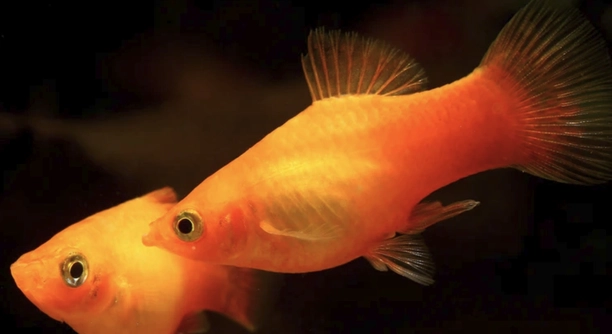
Platies are popular freshwater fish, known for their vibrant colors and peaceful nature. Many fishkeepers enjoy keeping them because they are easy to care for and adapt well to community tanks. Understanding their preferences helps create a better environment.
Platies prefer the One Tank Zone because it provides stable water conditions, consistent temperature, and compatible tank mates. This controlled environment reduces stress, supports their social behavior, and promotes healthier growth and reproduction, making it ideal for their wellbeing.
Learning why platies thrive in specific setups can improve your aquarium success. This article explains key reasons behind their preference for the One Tank Zone environment.
Stable Water Conditions Support Platies’ Health
Maintaining stable water conditions is crucial for platies. These fish are sensitive to sudden changes in pH, temperature, and water chemistry. In a One Tank Zone, water parameters remain more consistent, reducing stress and preventing illness. Platies thrive best in water that has a pH between 7.0 and 8.2, with moderate hardness. When water changes or temperature fluctuations occur abruptly, platies can become weak or susceptible to disease. Keeping them in a dedicated tank or carefully controlled community tank helps avoid these issues. Regular monitoring of water parameters ensures a stable environment. It is also easier to maintain cleanliness and proper filtration in a single well-managed tank. For someone caring for platies, this stability translates to healthier fish that display more vibrant colors and natural behaviors. A calm and stable environment contributes significantly to their overall wellbeing and longevity.
Stable water conditions make platies less prone to stress and illness, promoting their natural behavior and vibrant appearance.
Keeping water stable involves consistent testing, partial water changes, and avoiding overcrowding in the tank.
Compatible Tank Mates Reduce Aggression
Platies are peaceful fish that do best with other calm species. Aggressive or territorial tank mates can stress them, leading to health problems or hiding behavior. The One Tank Zone approach encourages keeping only species that share similar water needs and temperaments. Ideal companions include other livebearers like guppies and mollies, as well as small tetras and peaceful bottom dwellers. Avoiding fin-nippers or overly aggressive fish helps platies feel secure. In a mixed tank, it’s important to provide plenty of hiding spots and plants for shelter. This reduces competition and gives platies space to swim freely. When tank mates are compatible, social interaction among platies is more natural and balanced. This also encourages breeding behavior and makes the aquarium more visually appealing. Choosing the right species together ensures harmony and promotes the health of all fish involved.
Maintaining compatible tank mates supports a stress-free environment and natural social behavior for platies. This enhances their wellbeing and longevity.
Consistent Temperature Matters
Platies need a stable temperature between 72°F and 78°F to stay healthy. Sudden temperature changes can stress them, weakening their immune systems.
Maintaining a steady temperature in a One Tank Zone is easier. Using a reliable heater and thermometer helps avoid fluctuations. Platies are tropical fish, so they depend on consistent warmth. A tank without sudden drops or spikes in temperature reduces illness risk. This also supports their active swimming and feeding habits. A stable environment keeps platies comfortable and less prone to stress-related behavior, such as hiding or lethargy.
Temperature consistency contributes to successful breeding. When conditions are steady, platies are more likely to reproduce naturally. This benefits those who want to expand their tank population without added stress.
Space to Swim Freely
Platies need room to swim and explore. A crowded tank limits their movement and causes stress.
Providing ample swimming space in the One Tank Zone helps platies stay active. When fish have enough room, they show more natural behavior and better coloration. Overcrowding leads to competition for resources and may increase aggression, even among peaceful species like platies. A larger tank or proper stocking density ensures everyone has enough territory. Plants and decorations also create safe spaces but should not overcrowd the main swimming area. This balance between shelter and open space is key for platies’ comfort and health.
Ensuring space for platies improves their wellbeing and creates a more visually pleasing aquarium. Active, healthy fish are more enjoyable to watch and easier to care for.
Balanced Diet Is Essential
Platies require a varied diet to stay healthy. A mix of flakes, pellets, and live or frozen foods provides necessary nutrients.
Feeding small amounts multiple times a day prevents overfeeding. Uneaten food can pollute the water, harming platies. Careful feeding supports their vibrant colors and energy levels.
Clean Water Prevents Disease
Regular water changes are vital to keep platies healthy. Removing waste and toxins prevents disease outbreaks. Using a good filtration system helps maintain water clarity and quality. Clean water reduces stress and supports the fish’s immune system, promoting longer life and better activity.
Plants Offer Shelter and Comfort
Live plants create natural hiding places for platies. This reduces stress and mimics their natural habitat. Plants also improve water quality by absorbing nitrates, contributing to a healthier tank environment.
What is the One Tank Zone for platies?
The One Tank Zone refers to a carefully maintained aquarium setup where platies live in stable, controlled conditions. It means keeping them in a tank with consistent water parameters, compatible tank mates, and a balanced environment that meets their needs without frequent disturbances. This zone supports their health, reduces stress, and encourages natural behaviors like swimming freely and breeding.
Why do platies need stable water conditions?
Platies are sensitive to changes in pH, temperature, and water quality. Sudden fluctuations can cause stress, weaken their immune systems, and lead to illness. Stable water conditions keep them comfortable and help maintain their vibrant colors and active behavior. Maintaining the right pH, hardness, and temperature reduces the risk of disease and promotes longevity.
How important is temperature control in a platy tank?
Temperature control is very important because platies are tropical fish that thrive between 72°F and 78°F. Even small, sudden temperature changes can cause stress or shock. Using a reliable heater and thermometer helps maintain this range consistently. Stable temperature supports feeding, activity, and breeding behaviors.
What are good tank mates for platies?
Ideal tank mates are peaceful species that share similar water requirements. Guppies, mollies, small tetras, and peaceful bottom dwellers like corydoras are good choices. Avoid aggressive or fin-nipping fish, as they can stress or injure platies. Compatible tank mates encourage social behavior and reduce conflicts.
How much space do platies need?
Platies need enough room to swim freely without overcrowding. A 10-gallon tank is a good minimum for a small group. Overcrowding leads to stress, competition for food, and poor water quality. Providing space allows natural movement, reduces aggression, and helps keep fish healthy and active.
What kind of diet should platies have?
Platies need a varied diet including high-quality flakes or pellets, along with live or frozen foods like brine shrimp or bloodworms. Feeding small portions multiple times a day prevents overfeeding and water pollution. A balanced diet helps maintain their bright colors, energy, and overall health.
How often should water be changed in a platy tank?
Regular water changes, about 20-30% weekly, help remove waste and keep water quality high. This prevents toxin buildup that can harm platies. Frequent water changes combined with proper filtration support a healthy environment and reduce stress.
Do live plants benefit platies?
Yes, live plants offer hiding spots and reduce stress by mimicking the natural environment. They also improve water quality by absorbing nitrates and providing oxygen. Plants create a more natural and comfortable habitat that supports platies’ wellbeing.
Can platies breed easily in a One Tank Zone?
Yes, when conditions are stable and stress-free, platies breed readily. A consistent environment with proper temperature, diet, and compatible tank mates encourages spawning. Providing plants or decorations gives fry places to hide, improving survival rates.
What are common signs of stress in platies?
Signs include hiding, loss of appetite, faded colors, and sluggish swimming. Stress can come from poor water quality, aggressive tank mates, or sudden changes in the tank environment. Recognizing these signs early helps prevent illness and improves fish health.
How do I maintain water quality in a platy tank?
Use a good filtration system, perform regular water changes, avoid overfeeding, and monitor water parameters with test kits. Keeping the tank clean and stable reduces harmful toxins and creates a healthy environment for platies to thrive.
Is it okay to keep only platies in a tank?
Yes, a tank with only platies can be ideal. It simplifies care by maintaining water parameters suited specifically for them and avoids aggression or competition. A well-maintained platy-only tank supports their health and natural behavior.
What should I avoid when keeping platies?
Avoid sudden water changes, overcrowding, aggressive tank mates, and overfeeding. Also, do not expose them to rapid temperature shifts or poor water quality. These factors increase stress and risk of disease, reducing their lifespan.
How long do platies usually live?
With proper care, platies can live 2 to 3 years, sometimes longer. Stable conditions, a balanced diet, and a stress-free environment help maximize their lifespan. Regular maintenance is key to keeping them healthy.
Are platies good for beginner fishkeepers?
Yes, platies are hardy and easy to care for, making them suitable for beginners. They tolerate a range of conditions and are less demanding than some tropical fish. However, consistent care is still needed to keep them healthy and happy.
Platies are a popular choice for many aquarists because they are colorful, peaceful, and relatively easy to care for. Creating the right environment is important to keep them healthy and happy. The One Tank Zone concept helps provide stable water conditions, consistent temperature, and suitable tank mates. This type of setup reduces stress for platies and supports their natural behaviors, such as swimming freely and breeding. When platies are kept in a stable and well-maintained tank, they tend to live longer and display better colors.
Maintaining stable water parameters is essential for platies. Sudden changes in pH, temperature, or water chemistry can cause stress and illness. A One Tank Zone helps by limiting disturbances and keeping the aquarium environment balanced. Regular monitoring and partial water changes are necessary to maintain water quality. It is also important to avoid overcrowding, as this can affect the water and increase competition between fish. A tank designed with platies’ needs in mind will be easier to care for and more enjoyable to watch.
Choosing compatible tank mates and providing enough swimming space improves the overall wellbeing of platies. Peaceful fish with similar water requirements are the best companions. Live plants and decorations add shelter and comfort while improving water quality. Feeding a balanced diet and performing routine tank maintenance help ensure platies remain healthy. By following these principles, the One Tank Zone can offer an ideal home for platies, encouraging them to thrive and display their natural beauty for years to come.

Hello,
If you enjoy the content that we create, please consider saying a "Thank You!" by leaving a tip.
Every little bit helps us continue crafting quality advice that supports the health, happiness, and well-being of pets around the world, for pets of all shapes, sizes, and species.
We really appreciate the kindness and support that you show us!