
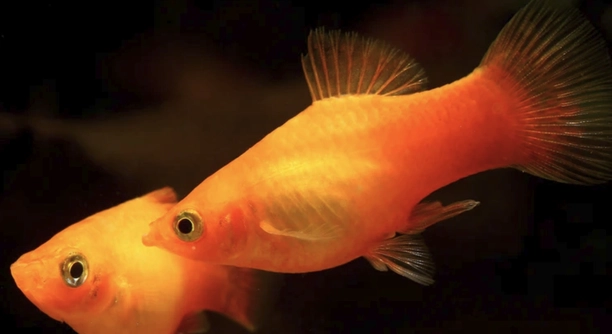
Platies are small, colorful fish often kept in home aquariums. Many owners enjoy watching their lively behavior but sometimes notice they seem unfocused or restless. This can be puzzling when trying to understand their needs and environment.
Platies might seem unfocused due to several factors, including stress, water quality, diet, tank conditions, social interactions, health issues, and lighting. Each of these elements can affect their behavior, causing them to act less attentive or erratic in their movements.
Recognizing these causes can help improve your platies’ well-being and create a calmer, healthier environment for them to thrive.
Stress and Its Impact on Platies
Stress is a common reason why platies may appear unfocused. Changes in their environment, such as sudden loud noises, frequent tank movement, or aggressive tank mates, can cause stress. When stressed, platies tend to swim erratically or hide more often. Stress also weakens their immune system, making them vulnerable to illness. Keeping the tank stable and quiet helps reduce stress levels. Make sure the tank has plenty of hiding spots and calm areas for them to retreat to when needed. Avoid overcrowding the tank, as too many fish can increase tension and cause competition for resources. A peaceful environment encourages natural behavior and helps platies stay calm and focused.
Stress affects platies’ behavior quickly and can be reversed with proper care. Monitoring their environment closely can prevent long-term issues related to stress.
A calm, predictable setting is key for platies to feel secure. Consistency in feeding and tank maintenance also reduces stress, making them more attentive and relaxed in their swimming patterns.
Water Quality and Its Effects
Poor water quality directly affects platies’ health and behavior. Dirty or unbalanced water causes discomfort and makes it hard for platies to focus. High ammonia, nitrite, or nitrate levels are especially harmful. Regular water tests and changes keep the tank safe and clean. Filter maintenance is equally important to maintain good water conditions. When water quality declines, platies may become sluggish or swim nervously near the surface. Keeping the tank water clear and chemically balanced supports their well-being. Temperature stability also plays a role, as sudden changes can cause stress. A clean environment helps platies feel comfortable and behave naturally.
Proper water care prevents many behavior problems. Understanding and maintaining water quality is one of the best ways to keep your platies healthy and attentive.
Diet and Nutrition
A poor diet can cause platies to lose focus and energy. They need a balanced mix of proteins, vitamins, and minerals to stay healthy and active.
Feeding platies a varied diet helps maintain their natural behavior and focus. High-quality flakes or pellets designed for tropical fish provide essential nutrients. Supplementing with live or frozen foods, like brine shrimp or bloodworms, boosts their health and keeps them interested during feeding time. Avoid overfeeding, which can lead to poor water quality and health problems. Regular feeding schedules also promote consistent activity and alertness. Balanced nutrition supports their brain function and overall well-being.
Changes in diet often show quickly in platies’ behavior. If they seem unfocused, adjusting their food might help restore energy and normal activity. Paying attention to what they eat is a simple way to keep them vibrant and responsive.
Tank Conditions and Space
Platies need enough space to swim freely. Overcrowding makes them stressed and unfocused. A tank that’s too small limits their natural movement and social behavior.
Ideal tank size depends on the number of fish. For a small group, at least 10 gallons is recommended to provide room for swimming and hiding spots. Proper tank setup with plants and decorations helps them feel secure. Clean substrate and good water circulation improve their comfort. Inadequate space or cluttered tanks cause them to dart around nervously or stay hidden, which looks like unfocused behavior. Creating an open, well-maintained space encourages calm, natural activity and better focus. Regular tank cleaning also prevents stress and improves overall health.
Social Interaction
Platies are social fish and need companions of their own kind. Being alone or with aggressive tank mates can make them appear unfocused or anxious.
Keeping platies in groups of at least three helps them feel secure and display natural behaviors. Social interaction reduces stress and improves their overall mood.
Health Issues
Illness or parasites can cause platies to swim erratically or lose focus. Early signs include faded color, lethargy, or unusual spots on their body. Prompt treatment is necessary to prevent worsening symptoms.
Lighting
Proper lighting affects platies’ activity and focus. Too bright or too dim lighting can confuse them and disrupt their behavior. A balanced light cycle mimics natural conditions and supports their well-being.
FAQ
Why do my platies swim erratically?
Erratic swimming is often caused by stress, poor water quality, or illness. Sudden changes in temperature, loud noises, or aggressive tank mates can make platies nervous. Checking water parameters and watching for signs of disease helps identify the cause. Improving tank conditions usually calms their swimming behavior.
How can I reduce stress in my platies?
Stress can be lowered by keeping the tank stable and quiet. Avoid sudden changes, provide hiding spots with plants or decorations, and keep tank mates peaceful. Regular maintenance and feeding on a schedule also create a predictable environment that helps platies feel safe.
What is the best diet for platies?
Platies need a varied diet rich in proteins, vitamins, and minerals. High-quality flakes or pellets made for tropical fish work well. Supplementing with live or frozen foods like brine shrimp or daphnia improves their health and keeps them active.
How often should I feed my platies?
Feeding once or twice a day in small amounts is best. Overfeeding causes water pollution and health problems. Feed only what they can eat within a few minutes to maintain clean water and healthy fish.
How many platies should I keep in one tank?
A group of at least three platies is recommended for their social comfort. Overcrowding should be avoided. A 10-gallon tank is suitable for about 3-5 platies, providing enough space to swim and interact naturally.
What water conditions do platies need?
Platies thrive in water with a temperature between 70–78°F (21–26°C). The pH should be between 6.8 and 8.0. Ammonia and nitrite must always be at zero, and nitrate should stay below 20 ppm. Regular water testing helps maintain these levels.
How often should I change the water in my platy tank?
Changing 20-30% of the water weekly keeps the tank clean and healthy. Frequent partial water changes prevent buildup of harmful chemicals and keep platies comfortable.
Why do my platies hide a lot?
Hiding is a sign of stress, illness, or poor tank setup. Lack of hiding spots or aggressive tank mates can make platies feel unsafe. Adding plants and decorations where they can retreat helps them feel secure and reduces hiding behavior.
Can lighting affect my platies’ behavior?
Yes, improper lighting can confuse platies. Too bright lights cause stress, while too dim lights reduce activity. A balanced light cycle of about 10-12 hours per day mimics natural conditions and helps maintain regular behavior.
What are common signs of illness in platies?
Look for faded colors, spots, torn fins, rapid breathing, or lethargy. These signs indicate health issues needing prompt care. Quarantining sick fish and treating with medication can prevent spread and improve recovery.
How can I tell if my platies are stressed?
Signs include frantic swimming, hiding, loss of appetite, or clamped fins. Stress is often linked to poor water quality, overcrowding, or aggressive tank mates. Improving these factors usually reduces stress and restores normal behavior.
Is tank size important for platies’ focus and behavior?
Yes, insufficient space limits swimming and causes stress. A minimum of 10 gallons is needed for a small group. Proper space encourages natural behavior and helps platies stay calm and attentive.
What role does tank maintenance play in platies’ behavior?
Regular cleaning prevents buildup of harmful chemicals and keeps water clear. A clean tank reduces stress and supports healthy activity levels. Neglecting maintenance leads to poor water quality, making platies lethargic or unfocused.
Can social interactions improve platies’ behavior?
Yes, platies are social fish. Being with their own kind helps them feel secure and behave naturally. Keeping them in groups promotes activity and reduces anxiety, leading to better focus.
What should I do if my platies continue to seem unfocused despite good care?
Consider checking for hidden health problems or parasites. Consulting a vet or fish specialist may help identify issues. Sometimes subtle changes in water chemistry or disease require professional advice.
Platies are wonderful little fish that bring color and life to any aquarium. When they seem unfocused, it can be a sign that something in their environment is off. Whether it is stress, water quality, diet, or space, paying attention to these factors can help your platies feel better and behave more naturally. Understanding their needs is the first step toward creating a healthy and happy tank. Taking time to learn about their care shows how much you want the best for your fish.
Keeping platies healthy means maintaining good water quality and feeding them a balanced diet. Clean water and proper nutrition support their energy and focus. Stress is another big factor, so it is important to provide a peaceful environment. This includes having enough room to swim, safe tank mates, and places to hide. Lighting and tank maintenance also affect their comfort and behavior. When all these things are right, platies are more likely to be calm and attentive.
If your platies still seem unfocused, it may be worth checking for illness or subtle changes in their care. Sometimes small problems can cause big changes in behavior. Being patient and observing your fish closely can help catch issues early. Overall, caring for platies is about balance and attention. When you give them what they need, they will thrive and add joy to your aquarium for a long time.

Hello,
If you enjoy the content that we create, please consider saying a "Thank You!" by leaving a tip.
Every little bit helps us continue crafting quality advice that supports the health, happiness, and well-being of pets around the world, for pets of all shapes, sizes, and species.
We really appreciate the kindness and support that you show us!