
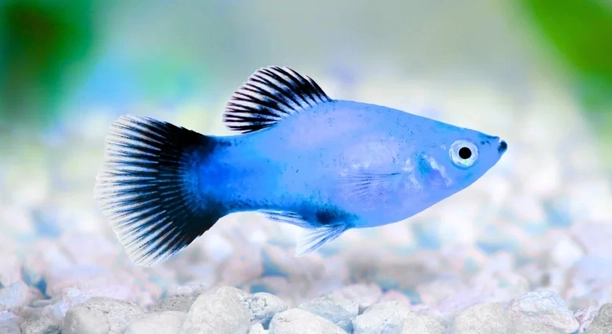
Platies are popular aquarium fish known for their lively behavior and bright colors. Sometimes, they suddenly stop playing or moving, which can worry their owners. Understanding why this happens is important for keeping them healthy and happy.
Platies may stop moving or playing due to several reasons including poor water quality, illness, stress from overcrowding, improper diet, temperature changes, lack of stimulation, or age-related decline. Each factor affects their behavior and overall well-being differently.
Knowing these common causes can help you identify problems early and improve your platies’ environment for better activity and health.
Poor Water Quality
Poor water quality is one of the most common reasons platies stop moving or playing. When the water in the tank becomes dirty or unbalanced, it affects their health quickly. High levels of ammonia, nitrites, or nitrates can stress fish and make them lethargic. Sudden changes in pH or hardness may also upset their system. Keeping the water clean with regular changes and testing is essential. Even small tanks need consistent care because waste builds up fast. I’ve seen platies become sluggish when water conditions worsen, so maintaining good water quality is a key part of their well-being. Filters should be cleaned regularly but not too thoroughly, to avoid removing helpful bacteria. A balanced environment keeps your fish active and happy, and catching issues early can prevent serious illness.
Testing water weekly with a simple kit helps track changes. Regular partial water changes maintain a safe and comfortable home for your platies.
Healthy water conditions encourage natural swimming and playing behaviors in platies, helping them stay lively and vibrant.
Illness and Disease
Illness often causes platies to stop moving or playing. Fish can get infections from bacteria, fungi, or parasites that affect their energy levels. Signs like clamped fins, discoloration, or unusual spots often show up before lethargy. When sick, platies prefer to rest or hide rather than swim. It’s important to observe these symptoms early and isolate the affected fish to prevent spreading disease. Treatment depends on the illness but may include medication, improving water quality, and adjusting diet. Keeping the tank clean and avoiding overcrowding can reduce disease risks. I have found that early detection makes recovery much easier, so regular observation is important. Sometimes, stress from illness weakens their immune system, leading to a cycle of poor health and inactivity. Providing a calm and clean environment supports their healing process and helps them regain energy.
Stress from Overcrowding
Overcrowding causes stress in platies, making them stop moving or playing. Too many fish in a tank reduce space and increase competition for resources.
When tanks are crowded, platies can become aggressive or shy, hiding more often. Limited swimming space restricts their natural activity. Stress weakens their immune system, leading to illness or lethargy. Overcrowding also causes poor water quality, further affecting their behavior. In my experience, giving each fish enough space helps them feel safe and swim freely. A good rule is to allow about one gallon of water per inch of fish. Providing plants and hiding spots also reduces stress, encouraging platies to be more active. Watching how your fish interact can show signs of crowding or discomfort early.
Adjusting tank population improves both water quality and fish behavior, helping platies regain their lively nature.
Improper Diet
An improper diet can make platies stop moving or playing. They need balanced nutrition to stay healthy and energetic.
Feeding platies the wrong type or amount of food leads to poor health and lethargy. Overfeeding causes water pollution and obesity, while underfeeding weakens their immune system. A diet with variety, including flakes, pellets, and occasional live or frozen foods, supports their energy and color. I noticed my platies became less active when I only fed them flakes for a long time. Adding vegetables like blanched spinach or peas improved their activity and overall condition. Nutrients like protein, vitamins, and minerals keep their metabolism working properly. Feeding small amounts twice daily prevents waste buildup and encourages regular movement. Paying attention to their eating habits also helps detect health issues early.
Balanced feeding routines contribute to healthier, more active platies in your tank.
Temperature Changes
Sudden temperature changes can shock platies, causing them to stop moving or playing. They thrive best in stable water temperatures.
Ideal temperatures for platies range between 70°F and 78°F (21°C to 26°C). Fluctuations outside this range stress their bodies and slow down activity. I’ve noticed that when the heater fails or room temperature drops quickly, my platies become sluggish or hide. Keeping a reliable heater and monitoring temperature regularly helps avoid these issues. A stable temperature supports their metabolism and overall health.
Lack of Stimulation
Platies need some stimulation in their tank to stay active and curious. A bare tank can make them bored and inactive.
Providing plants, decorations, or safe hiding spots encourages natural exploration. Moving water or gentle currents also mimic their natural environment. Without these, platies might lose interest in swimming and become less lively. I added a few live plants and saw a clear increase in their activity. Stimulation helps prevent boredom and supports mental well-being, making platies more playful and engaged in their surroundings.
Age-Related Decline
Older platies naturally slow down and move less. Age affects their energy levels and swimming behavior.
As platies grow older, they become less active and may rest more often. This is a normal part of their life cycle. Providing gentle care and a calm environment helps older fish stay comfortable.
FAQ
Why is my platy not moving but still breathing?
If your platy is still breathing but not moving, it could be due to stress, poor water conditions, or illness. Sometimes fish rest quietly when feeling unwell or when the tank environment isn’t ideal. Check the water parameters like ammonia, nitrites, and temperature first. Also, observe if there are any visible signs of disease or injury. If everything seems fine, give your platy some quiet time but monitor closely for any changes.
How often should I change the water to keep platies active?
Regular water changes are essential. Changing about 20-30% of the tank water every week helps maintain good water quality and keeps platies active. Frequent changes reduce waste and harmful chemicals, which stress fish and reduce their movement. In smaller tanks, water changes may need to be done more often to prevent buildup. I found consistent water changes made a big difference in my platies’ energy.
Can platies become inactive due to tank mates?
Yes, tank mates can impact platy activity. Aggressive or very active fish may intimidate platies, causing them to hide and move less. It’s important to choose peaceful fish species that coexist well with platies. Overcrowding also causes stress and inactivity. Observing how your platies interact with other fish can help you decide if tank mates are affecting their behavior.
Is it normal for platies to stop moving at night?
Platies do rest at night, so some inactivity during dark hours is normal. However, they usually stay lightly active or swim slowly. If your platy completely stops moving for long periods during the day or hides excessively, it might indicate a problem. Nighttime rest differs from illness or stress-induced lethargy.
What should I do if my platy is hiding and not moving?
If your platy hides and stops moving, check the tank’s conditions immediately. Poor water quality, sudden temperature changes, or illness are common causes. Ensure the tank is clean, and water parameters are stable. Also, look for signs of stress such as fin clamping or discoloration. Sometimes adding hiding spots helps platies feel secure, but constant hiding means something is wrong.
Can overfeeding make platies less active?
Overfeeding can reduce activity because it causes poor water quality and obesity. Excess food decomposes and raises ammonia levels, stressing fish. Overweight platies may become lethargic. Feeding small, controlled portions twice daily is best. Watching how much your platies eat can prevent overfeeding and keep them lively.
Do platies stop moving when they are about to die?
Platies often become very inactive before dying due to illness or old age. Lack of movement, loss of appetite, and hiding are signs of poor health. If you notice these signs, test water quality and inspect for disease. Sometimes treatment can help, but in severe cases, it’s a natural part of their life cycle.
How can I make my platy more active?
To encourage activity, maintain stable water quality and temperature, provide a balanced diet, and add plants or decorations for stimulation. Avoid overcrowding and aggressive tank mates. Regular water changes and a peaceful environment help platies feel comfortable and swim freely. I’ve seen my platies become much more playful after improving these conditions.
Are temperature fluctuations dangerous for platies?
Yes, temperature swings stress platies and reduce their activity. They prefer a steady temperature between 70°F and 78°F (21°C to 26°C). Sudden drops or rises can weaken their immune system and cause lethargy. Using a reliable heater and monitoring temperature helps avoid these problems.
What signs show my platy might be sick?
Signs of sickness include clamped fins, white spots, unusual swimming patterns, loss of color, and inactivity. If your platy stops moving and shows these symptoms, test the water and consider quarantine or treatment. Early intervention improves chances of recovery.
Platies are generally active and playful fish, but there are times when they might stop moving or playing. This change in behavior can happen for many reasons, such as poor water quality, illness, stress, or changes in their environment. Understanding these causes is important for anyone keeping platies because it helps in taking the right steps to keep them healthy. When platies are not active, it is often a sign that something is wrong, and paying close attention to their behavior and environment can prevent bigger problems.
Maintaining a clean and stable tank is one of the most effective ways to keep platies active. Regular water changes, checking the temperature, and feeding a balanced diet all contribute to their well-being. Stress caused by overcrowding or aggressive tank mates should also be avoided since it can make platies hide and move less. Adding plants and decorations gives them places to explore and hide, which helps keep them interested and less bored. These small changes can make a big difference in how lively your platies are.
It is also important to remember that some changes in activity are normal as platies age or when they rest. However, if you notice a sudden or long-lasting lack of movement, it is best to check for possible health issues or environmental problems. Watching your platies closely and acting early when you see signs of trouble can help them recover quickly and stay happy. Taking good care of your fish ensures they remain a beautiful and enjoyable part of your aquarium for a long time.

Hello,
If you enjoy the content that we create, please consider saying a "Thank You!" by leaving a tip.
Every little bit helps us continue crafting quality advice that supports the health, happiness, and well-being of pets around the world, for pets of all shapes, sizes, and species.
We really appreciate the kindness and support that you show us!