
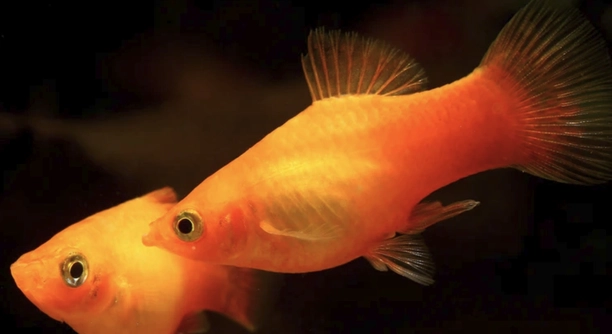
Platies are popular freshwater fish known for their bright and lively colors. Many owners enjoy their vibrant appearance but sometimes notice their colors fading or looking dull. Understanding why this happens is important for maintaining healthy, colorful fish.
Platies may act dull in color due to several factors, including poor water quality, inadequate diet, stress, illness, improper lighting, aging, and genetics. Each of these elements can affect their pigment expression and overall vitality in captivity.
Recognizing these causes helps ensure your platies stay healthy and colorful. The following reasons explain common issues behind their dull appearance.
Poor Water Quality
Water quality plays a critical role in maintaining the vibrant colors of platies. When water conditions are not ideal, fish can become stressed and lose their bright pigments. Factors such as high ammonia or nitrate levels, improper pH, and inconsistent temperature can negatively impact their health. Regular water testing and timely changes are necessary to keep water parameters stable. Without a clean environment, platies may appear faded or dull as their bodies try to cope with harmful conditions. Ensuring proper filtration and avoiding overcrowding can also help maintain good water quality, which directly supports the coloration and overall well-being of your fish.
Regular maintenance is essential to prevent water quality issues from affecting your platies’ color and health.
Keeping the water clean and stable not only protects your fish but also promotes their natural colors. Testing for ammonia, nitrites, and nitrates weekly helps detect problems early. Changing about 25% of the water every one to two weeks removes toxins and replenishes minerals. Using a quality filter suited to the tank size keeps water clear. Avoid overcrowding to reduce waste buildup, and monitor temperature to stay within the ideal range for platies, around 72-78°F. These steps create a healthy environment where platies can display their brightest colors and thrive.
Inadequate Diet
A poor diet can lead to dull colors in platies. Fish need a balanced diet rich in nutrients, especially carotenoids, which help produce vibrant pigments. Feeding only generic flakes or foods lacking in variety often results in faded coloration. Including high-quality pellets, frozen or live foods like brine shrimp and bloodworms, and vegetables can boost their color intensity. Foods with natural color enhancers, such as spirulina or astaxanthin, are particularly effective. Overfeeding or feeding low-nutrient foods may weaken the immune system, making platies more vulnerable to illness and further color loss. Ensuring a nutritious and diverse diet is key to maintaining their bright and lively appearance.
Balanced nutrition with color-enhancing foods supports healthy pigmentation and overall fish vitality.
It is important to provide platies with a diet that meets their nutritional needs. Carotenoids found in foods like shrimp, algae, and specially formulated pellets contribute to their vibrant hues. Feeding a mix of high-quality dry food and occasional live or frozen treats keeps them healthy and colorful. Avoid relying solely on cheap flakes or food lacking in variety, as this can cause dullness. Additionally, offering vegetables such as blanched spinach or zucchini adds fiber and vitamins. Feeding small amounts twice a day prevents overfeeding and water pollution. A well-rounded diet ensures your platies show off their best colors consistently.
Stress and Its Effects
Stress can cause platies to lose their vibrant colors quickly. Changes in environment, aggressive tank mates, or sudden movements increase their stress levels.
Stress weakens a platy’s immune system and reduces pigment production. Factors such as overcrowding, frequent handling, or loud noises in the room make platies anxious. Stress can also result from poor water quality or sudden temperature shifts. When stressed, platies may hide more and lose their bright colors, appearing dull or faded. Managing the tank environment to minimize stressors helps maintain their natural coloration and health.
Maintaining calm tank conditions is important for color retention. Providing hiding spots, compatible tank mates, and steady water parameters reduces stress. Avoid overcrowding and sudden changes to keep platies comfortable. A stress-free environment supports their natural color expression and encourages active behavior.
Illness and Disease
Illness often causes platies to lose color as the body focuses energy on fighting infection. Common diseases like ich, fungal infections, or parasites affect their appearance and vitality.
Signs of illness include lethargy, clamped fins, spots, and faded coloration. Sick fish should be isolated and treated promptly to prevent spread. Poor water quality and stress increase susceptibility to disease. A healthy diet and regular tank maintenance help prevent many illnesses. Recognizing symptoms early allows for faster treatment and better recovery. Keeping fish in optimal conditions reduces the risk of disease-related color loss.
Improper Lighting
Lighting affects how platies display their colors. Too little light can make their colors fade, while too much light may stress them.
Using natural or full-spectrum aquarium lights helps bring out their true colors. Keeping a regular day-night cycle supports their health and pigmentation.
Aging and Genetics
Older platies naturally lose some color intensity as they age. Genetics also play a role; some fish have less vibrant colors by nature.
Breeding from healthy, brightly colored parents increases the chance of vibrant offspring. However, even well-bred platies will show some color dulling with age.
Tank Environment
A well-maintained tank environment encourages healthy color in platies. Clean water, proper plants, and decorations provide comfort and security.
A balanced environment reduces stress and promotes natural behaviors, which helps fish maintain their bright colors over time.
Why are my platies’ colors fading even though the water looks clean?
Water can look clear but still have harmful chemicals like ammonia or nitrates that stress fish and cause color fading. Regular water testing is important because invisible toxins build up from waste and uneaten food. Even small amounts can weaken a platy’s immune system and dull its colors. Clean water means more than clarity; it requires balanced pH, stable temperature, and low toxin levels. Changing about 25% of the water weekly and using a proper filter helps maintain these conditions. Without this care, platies may lose their vibrant appearance despite the tank looking clean to the eye.
How does diet affect my platies’ coloration?
Diet directly influences the pigments in platies. They need carotenoids and other nutrients to develop and keep bright colors. Feeding only basic flakes often lacks these essential nutrients, leading to dull or washed-out colors. Including foods like shrimp, spirulina, and specially formulated pellets boosts pigment intensity. Live or frozen treats such as bloodworms and brine shrimp also provide important vitamins and protein. A varied diet helps keep fish healthy and colorful. Overfeeding or feeding poor-quality food can cause health problems that further affect their appearance. Consistent, nutritious feeding supports lasting vibrant colors.
Can stress really change the way platies look?
Yes, stress has a strong effect on platy coloration. When stressed, fish reduce pigment production and may lose color. Stress comes from overcrowding, aggressive tank mates, sudden changes, or noisy environments. Poor water quality and temperature fluctuations add to stress. Stress also weakens their immune system, making illness more likely and color loss worse. Providing hiding spots, compatible companions, and steady water conditions reduces stress. A calm tank environment helps platies maintain their natural colors and behave more actively.
Is lighting important for platy colors?
Lighting is important because it affects how colors appear and how well fish produce pigments. Insufficient light can make colors look dull, while too much light may cause stress and fading. Using aquarium lights that mimic natural daylight or full spectrum enhances coloration. A consistent day-night cycle supports fish health and natural rhythms. Avoid placing tanks in direct sunlight, which can overheat water and cause algae growth. Proper lighting balances pigment visibility and fish comfort, helping maintain bright, lively colors.
Do platies lose color as they get older?
Yes, platies’ colors often fade as they age. Aging fish produce fewer pigments, which naturally dulls their appearance. This is normal and happens even when care is good. Genetics also influence color intensity; some fish have naturally muted tones. Selecting healthy, brightly colored parents can improve offspring’s vibrancy but won’t stop color fading with age. Providing good diet, clean water, and low stress supports the best color possible throughout their life. Understanding this helps set realistic expectations for aging platies.
How can I tell if my platy’s dull color is due to illness?
Illness often shows alongside color fading. Look for other signs like lethargy, clamped fins, spots, or unusual behavior. Parasites, fungal infections, and bacterial diseases can cause fish to lose color as their bodies focus on fighting infection. Poor water conditions and stress increase illness risk. Prompt isolation and treatment help recovery and prevent spread. Healthy fish maintain bright colors, so dullness combined with sickness signs usually means a health problem. Regular observation and quick action protect your platies’ well-being and appearance.
What is the best way to reduce stress for my platies?
Reducing stress involves stable water parameters, compatible tank mates, and a peaceful environment. Avoid overcrowding and sudden changes in lighting, temperature, or water chemistry. Adding plants and decorations provides hiding places, helping fish feel safe. Minimize loud noises and vibrations around the tank. Feed a balanced diet and keep the tank clean. Consistent routine care lowers stress and supports natural coloration. Stress management is essential for healthy, colorful platies that enjoy their environment.
Can genetics determine how bright my platies’ colors are?
Genetics play a key role in color brightness and patterns. Some platies are naturally more vibrant due to selective breeding. However, genetics set a baseline that environmental factors influence. Even the brightest genetics can fade if conditions are poor. Good water quality, nutrition, and low stress are needed to express their full color potential. Breeding from healthy, colorful fish improves chances of vivid offspring. Understanding genetics helps set expectations and guide care practices for maintaining vibrant platies.
Platies are beautiful fish known for their bright and cheerful colors. When their colors start to fade or look dull, it can be concerning for any fish owner. There are many reasons why platies may lose their vibrant appearance, and understanding these causes helps improve their health and well-being. Factors like water quality, diet, stress, illness, lighting, aging, and genetics all play a role. Paying attention to each of these areas can make a big difference in how colorful and lively your platies remain over time.
Water quality is one of the most important things to watch. Even if the tank looks clean, harmful chemicals like ammonia or nitrates may still be present. These toxins can cause stress and weaken the fish, leading to dull colors. Regular testing and partial water changes help keep the environment safe. A balanced diet also contributes to bright colors. Foods rich in nutrients, such as carotenoids found in shrimp and algae, support pigment production. Stress should be minimized by avoiding overcrowding, providing hiding spots, and maintaining steady water temperature and pH. Illness can also cause color loss, so early detection and treatment are important to protect your fish.
Lastly, lighting and genetics influence color as well. Proper aquarium lighting enhances the appearance of platies, while a natural day-night cycle supports their health. Genetics set the basic potential for how bright a fish can be, but the environment affects how well those colors show. As platies age, some fading is natural, but good care can slow this process. By keeping the tank clean, feeding a balanced diet, reducing stress, and monitoring health, you can help your platies maintain their beautiful colors for a long time. Paying attention to these factors creates a healthy and pleasant home for your fish.

Hello,
If you enjoy the content that we create, please consider saying a "Thank You!" by leaving a tip.
Every little bit helps us continue crafting quality advice that supports the health, happiness, and well-being of pets around the world, for pets of all shapes, sizes, and species.
We really appreciate the kindness and support that you show us!