
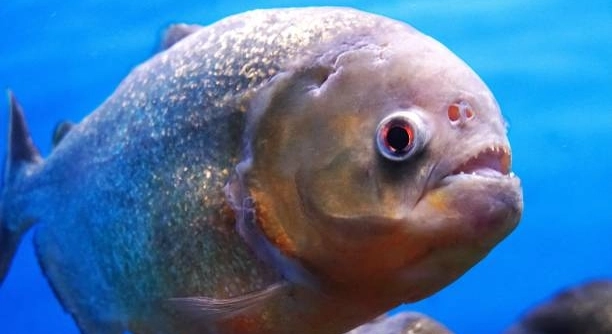
Piranhas are often seen as fierce and active fish, yet sometimes they seem less lively than expected. This change in behavior can puzzle many who keep or observe them. Understanding why piranhas appear less active can help in caring for them properly.
Piranhas may seem less active due to various environmental and biological factors such as temperature changes, water quality, feeding habits, stress levels, or health conditions. These influences directly affect their metabolism and behavior, leading to reduced activity.
Recognizing these reasons can improve how we maintain piranhas and ensure their well-being in different settings. This article will explain the main causes behind their quieter moments.
Temperature Changes Affect Activity
Piranhas are cold-blooded animals, which means their body temperature depends on their environment. When the water temperature drops, their metabolism slows down, causing them to move less and eat less. This is a natural response to conserve energy. If the water is too cold, they may become sluggish or hide more often. On the other hand, if the water is too warm, it can cause stress and make them restless, but often their activity still decreases because they try to avoid overheating. Maintaining a stable temperature within the ideal range for piranhas, usually between 75 and 82 degrees Fahrenheit, helps keep them active and healthy.
Temperature changes can have a big impact on piranhas’ behavior and overall health. Small fluctuations may cause noticeable changes in how much they swim or feed.
If you notice your piranhas becoming less active, checking the water temperature should be one of the first steps. Proper heating equipment and monitoring can prevent sudden shifts that affect their energy levels. Gradual changes allow them to adjust without stress. Consistency is key to maintaining their natural activity patterns.
Water Quality and Its Impact
Poor water quality often results in reduced piranha activity. Maintaining clean, well-filtered water is essential for their health.
Dirty or toxic water can stress piranhas, causing them to hide or become lethargic. High ammonia or nitrate levels irritate their gills and impair oxygen intake. This condition often leads to a decrease in movement and appetite. Regular water changes and testing are necessary to keep water safe. Keeping pH levels stable, around 6.5 to 7.5, also helps maintain an environment where piranhas can thrive. Neglecting water quality can lead to disease, further lowering activity.
In addition to filtration, removing uneaten food and waste is important. A balanced environment reduces stress and allows piranhas to behave naturally. Observing water conditions closely helps detect problems before they worsen. This effort contributes significantly to healthier, more active fish.
By prioritizing water quality, piranhas will be more energetic and responsive. Regular tank maintenance benefits their longevity and overall well-being.
Feeding Habits Influence Activity
Piranhas often reduce activity when they feel full or after feeding. Overfeeding can cause lethargy and digestive issues. Proper feeding schedules prevent this.
Piranhas require a balanced diet of proteins and occasional plant matter. Feeding them once a day with an appropriate amount keeps them alert and active. Overfeeding leads to leftover food that pollutes the water, causing stress and lowering their energy. Underfeeding, on the other hand, can weaken them, also reducing movement. Monitoring how much they eat helps maintain their natural behavior.
Variety in their diet is important. Feeding the same food repeatedly can cause boredom or nutritional deficiencies. Including live or frozen foods stimulates hunting instincts, encouraging movement. Adjusting feeding habits to match their needs supports their health and activity levels.
Stress and Environmental Factors
Stress causes piranhas to hide and reduce movement. Common causes include overcrowding, sudden changes, and loud noises. Reducing stress is vital for their activity.
Piranhas are sensitive to their surroundings. Overcrowded tanks increase competition and aggression, leading to less swimming and more hiding. Sudden water changes, improper lighting, or frequent disturbances can frighten them. Minimizing these factors creates a calm environment where piranhas feel safe. Quiet areas and stable tank conditions support their natural activity. Providing places to hide helps reduce stress, but too many hiding spots can make them seem inactive. A balanced tank setup encourages healthy behavior.
Observing your piranhas’ reactions to their environment helps identify stress sources. Adjusting tank conditions gradually improves their well-being and encourages them to be more active. Maintaining a peaceful habitat benefits their mental and physical health.
Health Issues and Disease
Illness can cause piranhas to become less active and withdrawn. Common infections weaken them, reducing energy levels.
Regular observation is important to spot symptoms like discoloration, clamped fins, or unusual swimming. Early treatment helps recovery and restores normal behavior.
Natural Behavior Patterns
Piranhas naturally rest more during certain parts of the day or year. Their activity varies with cycles and surroundings.
Understanding these patterns helps avoid misinterpreting normal quiet times as illness or problems. Patience supports better care.
Tank Size and Space
Insufficient space restricts movement and causes stress, making piranhas less active. A larger tank encourages natural swimming behavior.
FAQ
Why do piranhas sometimes stay still for long periods?
Piranhas may stay still to conserve energy, especially when water temperature drops or if they are feeling stressed. Being less active helps them survive when conditions are not ideal. This behavior is natural and usually temporary.
How often should I feed my piranhas?
Feeding piranhas once a day with the right amount of food is best. Overfeeding can cause water pollution and lethargy, while underfeeding weakens them. Offering a varied diet that includes proteins and occasional plant matter keeps them healthy and active.
Can poor water quality cause piranhas to become inactive?
Yes, poor water quality with high ammonia or nitrate levels stresses piranhas and reduces their activity. Regular water changes, good filtration, and testing water parameters help maintain a healthy environment.
What is the ideal temperature for piranhas?
Piranhas do best in water temperatures between 75 and 82 degrees Fahrenheit. Temperatures outside this range can slow their metabolism or cause stress, affecting their activity levels.
How can I reduce stress in my piranhas?
Avoid overcrowding, sudden changes, and loud noises. Provide hiding places but not too many, and keep lighting stable. A calm environment helps piranhas stay active and healthy.
What signs show my piranhas might be sick?
Look for changes in color, clamped fins, unusual swimming, or loss of appetite. Early detection and treatment improve chances of recovery and returning to normal activity.
Does tank size affect piranha activity?
Yes, a larger tank gives piranhas more space to swim and reduces stress. Small or overcrowded tanks make them less active and more aggressive.
Is it normal for piranhas to be inactive sometimes?
Yes, piranhas have natural rest periods during the day and seasonal cycles. Quiet times don’t always mean something is wrong, so it’s important to observe their overall behavior.
Can diet affect piranha activity?
Absolutely. A varied and balanced diet encourages natural behavior and keeps them energetic. Feeding only one type of food can cause boredom and health problems, lowering activity.
How do I know if my piranha’s inactivity is a problem?
If inactivity is accompanied by signs of illness or lasts for a long time despite good tank conditions, it may be a problem. Consulting a specialist or experienced keeper can help identify the issue.
What should I do if my piranhas suddenly become inactive?
Check water temperature and quality first. Make sure they are eating well and look for signs of stress or illness. Adjust tank conditions slowly to avoid shock, and consider seeking advice if inactivity continues.
Final thoughts on piranhas’ activity levels highlight the importance of understanding their needs and environment. Piranhas are sensitive creatures whose behavior changes based on several factors. Temperature, water quality, feeding habits, stress, and health all influence how active they appear. Recognizing these influences helps provide better care and prevents misinterpreting natural quiet moments as problems. It is essential to monitor the tank regularly and maintain stable conditions that support their well-being.
Providing piranhas with a balanced diet and a proper living space is key to keeping them active and healthy. Overfeeding or underfeeding can both reduce activity, so it is important to find the right balance. Additionally, clean water with appropriate parameters and enough room to swim encourages natural behavior. Stress can be lowered by minimizing overcrowding, avoiding sudden changes, and creating a calm environment. When piranhas feel secure and comfortable, their activity improves, and they show more natural swimming and feeding habits.
Regular observation is the best way to understand your piranhas’ normal behavior patterns. Not every period of low activity indicates a problem; some quiet times are simply part of their natural rhythms. However, if inactivity is prolonged or paired with signs of illness, action is needed. Early detection of health issues, proper tank maintenance, and a well-balanced diet all contribute to their overall health. Taking these steps ensures piranhas remain vibrant and active members of their aquatic home.

Hello,
If you enjoy the content that we create, please consider saying a "Thank You!" by leaving a tip.
Every little bit helps us continue crafting quality advice that supports the health, happiness, and well-being of pets around the world, for pets of all shapes, sizes, and species.
We really appreciate the kindness and support that you show us!