
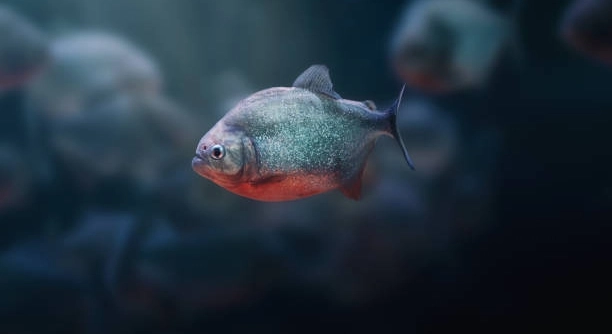
Piranhas are often known for their sharp teeth and fierce reputation. However, they sometimes group together peacefully without fighting. This behavior shows a different side of these fish that many people don’t usually see.
Piranhas group up without fighting mainly for safety, food, and social reasons. They cooperate to protect themselves from predators, improve hunting efficiency, and maintain social bonds, which reduces aggressive encounters within the group.
Understanding why piranhas behave this way reveals more about their survival and social habits. This knowledge helps us appreciate their role in the ecosystem beyond their scary image.
Safety in Numbers
Piranhas group together mainly to protect themselves from predators. When they swim in schools, it becomes harder for bigger fish or animals to single out one piranha to attack. The group creates confusion and safety, which lowers the chance of any individual getting hurt. This behavior is common in many fish species and is an effective defense strategy. By sticking close, piranhas can quickly sense danger and react as a unit. Their sharp teeth and fast movements become more threatening when they are in numbers. This safety approach also helps younger or weaker piranhas survive longer until they grow stronger.
Being part of a group means less risk for each fish, which makes it easier to focus on other needs like feeding and resting.
Schooling helps piranhas stay alert and safe while also giving them confidence to explore different areas. It’s a simple but powerful way to increase their chances of survival in a sometimes dangerous environment.
Cooperative Hunting
Piranhas often hunt in groups to catch food more efficiently. When they work together, they can overwhelm prey that would be too difficult for one fish alone. Coordinated attacks allow them to take down larger or faster animals. This cooperation reduces the time and energy each piranha spends searching for food. It also improves their chances of getting a meal, especially during seasons when food is scarce.
Hunting as a group also means sharing the food fairly among members, which helps keep the group stable.
Group hunting requires communication and timing, which shows piranhas are more social than many think. They watch each other’s movements and respond quickly to signals. This teamwork keeps the group strong and fed, supporting their survival in various habitats. It is an impressive example of how even fierce creatures rely on cooperation.
Reduced Aggression
Piranhas avoid fighting when grouped because constant aggression wastes energy and risks injury. Staying calm helps the group remain strong and balanced.
Aggressive behavior can lead to injuries that make piranhas vulnerable to predators and illness. When they form schools, social signals help keep peace. Piranhas use body language and subtle movements to show dominance without fighting. This way, they establish a clear hierarchy that reduces conflicts.
This social order benefits the entire group. Fish know their place, so fewer challenges happen. Avoiding fights also helps conserve energy for feeding and escaping threats. It’s a practical way to live closely without constant tension, allowing piranhas to focus on survival and cooperation.
Environmental Factors
Piranhas’ behavior depends on their surroundings. Water temperature, food availability, and habitat size influence how tightly they group.
In areas with plenty of food, piranhas spread out more because there’s less competition. When food is scarce or water is warm, they gather closer to share resources and stay protected. Smaller or crowded habitats also push piranhas to form tighter groups.
These environmental conditions change throughout the year. During rainy seasons, rising water levels create new spaces, and piranhas can disperse more easily. When conditions shrink or get tougher, grouping up helps them survive challenges. This flexibility shows how piranhas adjust their social habits to match the world around them.
Social Bonds
Piranhas form social bonds to maintain group harmony. These connections reduce stress and keep the group stable.
Social bonds also help piranhas recognize each other, making cooperation easier. Friendly behavior within the group encourages peaceful living and shared responsibilities.
Communication Methods
Piranhas communicate through body movements and sounds. These signals help coordinate group activities like hunting and moving together. Subtle gestures show dominance or submission without needing to fight. This non-verbal communication strengthens social order and reduces conflicts, allowing the group to work smoothly as a unit.
Energy Conservation
Grouping helps piranhas save energy by reducing the need for constant alertness and fighting. This allows them to use their energy for feeding and growing stronger.
FAQ
Why do piranhas sometimes fight if they group up peacefully?
Piranhas do fight occasionally, especially during feeding or when competing for mates. Although grouping reduces constant aggression, competition for limited resources or establishing dominance can trigger fights. These conflicts are usually brief because prolonged fighting wastes energy and weakens the group’s safety. So, while peaceful grouping is common, brief fights are a natural part of their social behavior.
How do piranhas decide when to form groups?
Piranhas form groups based on environmental conditions like food availability, water temperature, and threats from predators. When food is scarce or danger is high, grouping provides safety and helps with hunting. If food is abundant and risk is low, they may spread out more. This flexible behavior allows them to adapt quickly to changing surroundings.
Do all piranha species group together peacefully?
Not all piranha species behave the same way. Some species are more aggressive and less social, while others form tight groups. The tendency to school depends on the species’ habitat and survival strategies. However, many piranhas do show peaceful grouping when it benefits their safety and feeding habits.
How do piranhas maintain peace inside their group?
Piranhas use body language and subtle signals to communicate their rank within the group. These social cues help avoid direct fights by establishing dominance without violence. Friendly interactions and recognizing each other’s place keep the group stable and reduce aggression. This system of communication is vital for their peaceful coexistence.
What benefits do piranhas get from grouping besides safety?
Besides protection from predators, grouping improves hunting success. Piranhas can corner prey more effectively and share the catch. It also saves energy since they don’t have to constantly watch out alone. Group living supports social bonding, reduces stress, and increases overall survival chances.
Can piranhas survive alone or do they need a group?
Piranhas can survive alone, but they are generally safer and more successful when in groups. Alone, they face higher risks from predators and have a harder time hunting. Group life helps piranhas grow stronger and live longer by providing safety, cooperation, and better resource access.
How does water temperature affect piranha grouping?
Warmer water tends to increase piranha activity and grouping behavior. When water temperature rises, metabolism speeds up, and piranhas need more food, so they group to hunt more efficiently. Cooler temperatures may reduce activity and cause them to spread out more. Temperature changes throughout the year influence their social habits significantly.
Are there risks to piranhas when they group together?
Grouping does come with some risks. Close contact increases chances of disease spreading or injuries during brief fights. Competition for food can also create tension. However, the benefits of safety and cooperation usually outweigh these risks, making grouping a beneficial strategy for survival.
Do piranhas communicate differently when hunting versus resting?
Yes, piranhas use more active and coordinated signals when hunting, like quick movements or body posture changes to signal attack timing. While resting, communication is calmer and focuses on maintaining social bonds and reducing conflicts. These changes help the group switch between active and peaceful states efficiently.
How long do piranhas stay grouped?
The length of time piranhas stay grouped varies depending on conditions. They may stay together for hours or days when food is scarce or predators are near. When the environment is safe and food is plentiful, they might break into smaller groups or swim alone. This flexibility helps them adjust to what’s best for survival at any time.
Piranhas are often thought of as only fierce and aggressive fish, but their behavior shows much more than just that. When they group up without fighting, it reveals how these animals can cooperate and live together peacefully. This ability to form groups helps them stay safe from predators and work better when hunting for food. Grouping is not just about survival; it is also about maintaining balance within their social structure. By avoiding constant fights, piranhas can save energy and reduce the risk of injury, which is important for their health and well-being.
The way piranhas communicate and use body language to keep peace within the group is interesting. They have a natural way of showing dominance or submission without physical fights, which helps reduce conflicts. This shows that even fish with a tough reputation can be social and respectful toward each other in certain situations. Their behavior changes depending on their environment, food supply, and threats around them. This flexibility allows them to adapt and stay strong as a group. It also reminds us that animals often have more complex social lives than we might expect.
Understanding why piranhas group up without fighting helps us see them in a new light. They are not just dangerous creatures but also smart and cooperative animals. Their grouping behavior is a key part of how they survive and thrive in the wild. Learning about these peaceful moments in piranha life can help us appreciate the balance in nature and how different species depend on cooperation, not just competition. This knowledge adds depth to how we view piranhas and their role in their environment.

Hello,
If you enjoy the content that we create, please consider saying a "Thank You!" by leaving a tip.
Every little bit helps us continue crafting quality advice that supports the health, happiness, and well-being of pets around the world, for pets of all shapes, sizes, and species.
We really appreciate the kindness and support that you show us!