
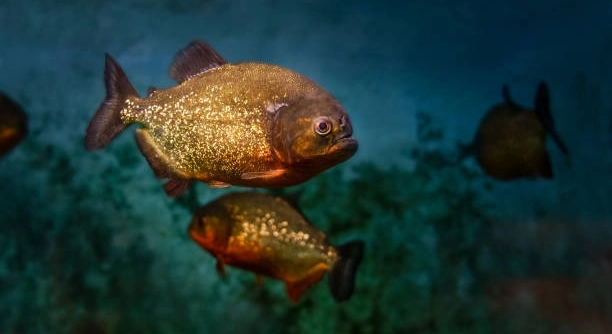
Piranhas are often seen as fierce and dangerous fish. Many people believe they are always aggressive and attack without reason. However, there is more to these creatures than their scary reputation suggests.
Piranhas are frequently misunderstood due to exaggerated stories and myths. In reality, they display cautious behavior, rarely attack humans, and play important roles in their ecosystems. Their social structure and feeding habits are more complex than commonly believed.
Understanding these truths helps paint a clearer picture of piranhas beyond the myths and fears that surround them.
Piranhas Are Mainly Scavengers
Piranhas are often thought of as hunters constantly chasing prey. But in truth, many species of piranhas prefer scavenging over hunting live animals. They feed on dead or dying fish, plants, and insects that they find in the water. This behavior helps keep their environment clean by removing decaying matter. While piranhas do bite and hunt, these actions are not as frequent or as aggressive as movies and stories make them seem. They tend to avoid unnecessary conflict and often only attack when they feel threatened or are very hungry. This scavenging habit shows that piranhas are more opportunistic feeders than fierce predators.
Many piranhas feed primarily on leftovers and dead matter rather than hunting actively.
This scavenger lifestyle benefits the ecosystem by recycling nutrients. It also reduces aggressive encounters, making piranhas less dangerous than people think. Understanding this helps challenge the idea that piranhas are always on the attack, showing a more balanced view of their behavior.
Piranhas Live in Groups for Safety
Piranhas often form schools, which helps protect them from predators. These groups make it harder for larger animals to attack any single fish. Being in a school also allows piranhas to work together when searching for food, increasing their chances of finding meals. The social nature of piranhas is an important survival strategy. When swimming in large numbers, they appear more intimidating to threats and can react quickly to danger.
Schools of piranhas provide safety through numbers and improve feeding success.
Living in groups creates a safer environment, reducing individual risks. This behavior highlights that piranhas rely on cooperation rather than just aggression to survive. It also explains why they are less likely to attack unless provoked, as safety in numbers is their main defense. This understanding shifts the image of piranhas from lone, dangerous hunters to social creatures using teamwork to thrive.
Piranhas Are Not Always Aggressive
Piranhas usually avoid fights unless they feel threatened. Their aggressive reputation is mostly based on rare incidents and exaggerations.
Most piranhas use their sharp teeth primarily for feeding on plants, insects, and small fish. They attack only when they need to defend themselves or when food is scarce. Their biting behavior is more about survival than aggression. Attacking humans is very uncommon, and they typically swim away from people. The fear of piranhas is often fueled by movies and stories rather than real encounters. Understanding their behavior shows they are cautious creatures, not mindless killers.
The image of constant aggression does not reflect typical piranha behavior. They prefer avoiding conflict and stay within their safe environments. Their natural instinct is to protect themselves without unnecessary violence.
Piranhas Help Keep Rivers Healthy
Piranhas play a key role in cleaning rivers by eating dead animals and plants. This helps keep the water fresh and balanced.
Their scavenging removes decomposing matter that could harm other fish and plants if left to rot. By controlling insect populations and feeding on weak or sick fish, piranhas help maintain a healthy ecosystem. Their presence encourages biodiversity because they help prevent disease outbreaks. Rivers with balanced piranha populations tend to be cleaner and more stable environments. This ecological role makes them important members of their habitat, not just dangerous predators.
Piranhas Have Sharp Teeth but Use Them Wisely
Piranhas have very sharp teeth that look scary. However, they use these teeth mainly for feeding and defense, not for constant attacking.
Their teeth are designed to slice through tough plants and prey efficiently. Despite their fearsome appearance, piranhas are careful when using their teeth and avoid unnecessary fights.
Piranhas Are Important for Local Communities
Many people who live near rivers rely on piranhas for food and income. Fishing piranhas provides a source of nutrition and supports local economies. They are part of the daily life and culture of these communities, valued beyond their scary image.
Piranhas Can Be Shy Around Humans
Piranhas often avoid people and stay hidden in plants or murky water. Their natural reaction is to flee rather than confront humans, which is why attacks are rare and usually accidental.
FAQ
Are piranhas really dangerous to humans?
Piranhas have a scary reputation, but they are rarely dangerous to people. Most species avoid humans and only bite when threatened or hungry. Attacks on people are very rare and usually happen if the fish feel cornered or if there is food scarcity. In general, piranhas prefer to swim away rather than attack. Their sharp teeth can cause injury, but they don’t hunt humans.
What do piranhas eat?
Piranhas mostly eat plants, insects, and smaller fish. Many species are scavengers, feeding on dead or dying animals instead of hunting live prey all the time. Their diet helps clean the river by removing leftover organic material. Piranhas can also hunt when needed, but this is not their primary feeding behavior.
Why do movies make piranhas look so scary?
Movies and stories exaggerate piranha behavior to create drama and fear. These portrayals focus on rare aggressive moments and ignore their usual cautious nature. Filmmakers use the sharp teeth and quick bites to scare audiences, but real piranhas do not act this way most of the time. The scary image is mostly fiction.
Do piranhas attack in groups?
Piranhas do swim in schools, but they don’t attack in coordinated groups like some think. Their schooling behavior helps protect them from predators and improves their ability to find food. If a threat appears, the school may react together, but this is mostly for defense rather than organized hunting or attacking.
Can piranhas live outside their natural habitat?
Piranhas are native to South American rivers and thrive in warm, freshwater environments. They can survive in captivity under the right conditions but need proper care, including clean water and suitable food. Outside their natural habitat, they often cannot survive long because of temperature and water quality differences.
Are all piranhas the same?
There are many different species of piranhas, and not all behave the same way. Some are more aggressive, while others are mainly scavengers. They vary in size, diet, and habitat. Understanding these differences helps avoid generalizing all piranhas as dangerous.
Do piranhas pose a threat to other wildlife?
Piranhas help control populations of weak or sick animals, which supports the health of the ecosystem. They do not usually threaten healthy fish or other wildlife populations. Their role is to keep the environment balanced by eating leftovers and helping prevent disease spread.
How do piranhas reproduce?
Piranhas lay eggs in nests they create in shallow water. Both parents often guard the nest to protect eggs from predators. This care helps ensure more young survive to adulthood. Their breeding habits are similar to other freshwater fish but show some parental involvement.
Can piranhas be kept as pets?
Some people keep piranhas in home aquariums, but they require special care. They need large tanks with clean, warm water and a proper diet. Piranhas can be aggressive toward other fish in captivity, so tank mates should be chosen carefully or avoided altogether.
Why do piranhas bite when food is scarce?
When food is hard to find, piranhas may become more aggressive to compete for resources. This can lead to more biting or attacking behavior within their group or toward other animals. Scarcity increases stress and survival instincts, but this is usually temporary.
How long do piranhas live?
In the wild, piranhas generally live around 10 to 15 years depending on the species and environmental conditions. In captivity, with proper care, some can live even longer. Their lifespan varies based on diet, water quality, and safety from predators.
Are piranhas important for ecosystems?
Yes, piranhas play an important role by cleaning up dead matter and controlling insect and small animal populations. Their scavenging behavior helps keep rivers healthy and balanced. Removing piranhas from their habitat can disrupt this balance and harm the environment.
Do piranhas only live in the Amazon?
While many piranhas live in the Amazon River, they also inhabit other rivers and freshwater systems across South America. Their range includes parts of the Orinoco and Paraná rivers, among others. They prefer warm, slow-moving waters with plenty of cover.
How do piranhas communicate?
Piranhas use sounds and body movements to communicate with each other. They may produce noises to warn others or establish dominance. This communication helps maintain social order in schools and coordinate group behavior.
What should I do if I see a piranha while swimming?
If you see a piranha, it’s best to stay calm and slowly move away. Avoid splashing or sudden movements that could attract attention. Piranhas usually avoid humans and will not attack unless provoked or if food is involved.
Can piranhas survive in cold water?
Piranhas cannot survive in cold water because they are tropical fish. They need warm temperatures to regulate their body functions. Exposure to cold water can cause stress, illness, and death. Maintaining proper water temperature is crucial in captivity.
Do piranhas have natural predators?
Yes, piranhas are preyed upon by larger fish, birds, and mammals in their environment. Their schooling behavior helps reduce the risk of attack. Despite their fearsome teeth, piranhas are part of the food chain and must avoid bigger predators.
What is the best way to observe piranhas safely?
Observing piranhas from a safe distance, such as in a glass aquarium or on guided river tours, is the best way. Avoid entering waters where piranhas are known to gather in large numbers, especially during dry seasons when food is scarce.
Are piranhas attracted to blood?
Piranhas can be attracted to blood, as it signals injured prey. However, they do not attack people simply because of the presence of blood unless the blood is from an animal in the water and combined with other factors like hunger or threat.
How can local communities benefit from piranhas?
Besides providing food, piranhas contribute to eco-tourism in some regions. Their unique nature draws visitors interested in wildlife and fishing. This can support local businesses and promote conservation efforts when managed responsibly.
Piranhas are often seen as dangerous creatures, but the reality is much different from the stories we hear. They are part of a complex ecosystem where they play important roles that help keep rivers clean and balanced. While their sharp teeth can look scary, piranhas mostly use them for feeding on plants, insects, and dead animals. They do not attack humans unless they feel threatened or very hungry, which happens very rarely. Understanding this helps reduce the fear and negative image that surrounds these fish.
These fish live and work together in groups, which helps keep them safe from predators. Their schooling behavior also helps them find food more easily and avoid danger. Instead of being aggressive all the time, piranhas prefer to stay cautious and avoid conflicts. Their role as scavengers means they help remove dead matter from the water, which benefits other animals and plants in the river. This balanced way of living shows that piranhas are not just fierce hunters but important members of their environment.
Knowing more about piranhas can change how we see them. Instead of fearing them, we can appreciate how they fit into nature and help maintain healthy waterways. They have a special place in the lives of local communities, providing food and supporting local economies. Piranhas deserve respect for their true nature, which is more about survival and cooperation than mindless aggression. By learning the facts, we can better understand and protect these misunderstood fish.

Hello,
If you enjoy the content that we create, please consider saying a "Thank You!" by leaving a tip.
Every little bit helps us continue crafting quality advice that supports the health, happiness, and well-being of pets around the world, for pets of all shapes, sizes, and species.
We really appreciate the kindness and support that you show us!